
Signing a lease locks you into rent for the whole term. But a job loss, an unsafe unit, or a dangerous relationship can force an early exit. Pennsylvania law only excuses that exit in a few situations. Get the notice period wrong, and you could still owe rent you thought you'd escaped. This guide covers which reasons hold up, how much notice the law requires, and what an early exit costs when you have no legal excuse.
Quick Facts about Pennsylvania Lease Agreements
Here's a quick example. A tenant has a $1,500 deposit that earns 4% interest per year. That's $60 in interest. The landlord keeps 1% of the deposit ($15) as a fee. The tenant gets the remaining $45 each year, starting in year three, under 68 P.S. § 250.511b.
When returning the deposit, send a security deposit return letter itemizing any deductions — Pennsylvania requires this within 30 days of lease end. Pennsylvania landlords may only deduct for damage beyond normal wear and tear, understanding this distinction prevents disputes over the returned deposit.
Can You Break a Lease in Pennsylvania?
Yes, you can break a lease in Pennsylvania, but the cost depends on your reason. State or federal law protects a few situations, such as active military duty or an unlivable unit. For most other reasons, you may owe rent until the landlord finds a new tenant or the lease ends. For tenants who need to exit before the term ends, our guide on how to get out of a lease early covers legal strategies and potential costs.
Understanding Lease Termination Laws in Pennsylvania

Under Pennsylvania lease termination laws, specifically, or Pennsylvania lease agreement, landlords and tenants each have clear duties under the Landlord and Tenant Act of 1951. The landlord must keep the unit safe to live in. The landlord must also follow the law's notice rules. The tenant must pay rent on time and follow the lease terms.
More importantly, these laws address critical issues such as lease terms, security deposits, and notice periods, ensuring protection and fairness for all parties involved.
Up next, you'll find the exact reasons Pennsylvania law treats as valid for an early exit. You'll also find the reasons that don't hold up in court and the notice period each situation requires.
Valid Reasons to Break a Lease in PA
Tenants in Pennsylvania may legally break a lease for various reasons, including uninhabitable living conditions, military deployment, or domestic violence situations. Proper documentation and adherence to notice requirements are essential to avoid penalties.
1. Military Service Under the SCRA
This protection comes from federal law, not a Pennsylvania statute. The Servicemembers Civil Relief Act covers active-duty members of the armed forces. It also covers activated National Guard troops and commissioned officers of NOAA and the Public Health Service.
To use it, the tenant must have signed the lease before entering service. Or the tenant must have received deployment or permanent-change-of-station orders for 90 days or more. The tenant needs to send a written notice with a copy of the orders. The lease then ends 30 days after the next rent due date, not right away.
2. Serious Habitability Problems
Pennsylvania's implied warranty of habitability comes from Pugh v. Holmes (1979). It requires a landlord to keep the heat, water, wiring, and structure safe. It only covers serious defects, like a dead furnace in winter or a collapsing ceiling. It skips cosmetic wear, like faded paint or worn carpet.
Before a tenant can use this reason to leave, they must give the landlord written notice of the defect. They must also give the landlord a fair amount of time to fix it. If the landlord still won't act, the tenant has three options: withhold rent, repair the issue and deduct the cost, or treat the lease as broken through constructive eviction.
3. Landlord Harassment or Lease Violations
Every PA lease carries an implied right to quiet enjoyment. A landlord can't just barge in whenever they want. Repeated unannounced visits, cut utilities, or a sudden lock change to pressure a tenant out all count as illegal "self-help" tactics. Pennsylvania bans self-help eviction outright — see what a landlord cannot do for the full list of prohibited actions during and after lease termination. Any one of these can support a constructive eviction claim. But the pattern has to be serious and ongoing, not just one late entry with notice.
4. Mutual Agreement or Lease Break Clause
Many PA leases include a buyout clause. It lets a tenant leave early for a set fee, often one or two months' rent. If the lease says nothing about this, the tenant can still propose a written termination agreement. Landlords often accept one when a qualified replacement tenant is already lined up. That saves them the time and cost of re-marketing the unit.
5. Domestic Violence: Check the Exact Protection Before Relying on It
Pennsylvania has no statewide law that guarantees every survivor a penalty-free exit. A bill meant to create one, PA HB72, has stalled in committee. What exists instead is local. Philadelphia Ordinance § 9-804 lets a survivor end a lease with 30 days' written notice, plus one form of proof.
That proof can be a police report, a Protection From Abuse order, or a letter from a victim services group. Pittsburgh passed a similar city rule in 2023. A PFA order alone won't release a tenant from the lease outside these two cities; it only keeps the abuser away. If you're relying on this reason, confirm your local ordinance first. Or call PA legal aid before you act on it.
Unjustified Reasons to Break a Lease in Pennsylvania
None of the reasons below cancel a tenant's rent on their own. Each one is common. Yet each one still leaves the tenant on the hook until the unit is re-rented or the term ends, unless the landlord agrees to a written release.
Buying a Home
Closing on a house doesn't end an active lease. Move-in day for the new home might land mid-lease. If it does, the tenant still owes rent for the overlap, unless the landlord signs off on an early release.
Moving for a New Job
Job relocation isn't a protected reason under Pennsylvania law, even for a big promotion or a required transfer. That surprises a lot of tenants. Some other states and some private leases do include relocation clauses. Pennsylvania's statute simply doesn't.
Roommate Conflicts
A falling-out with a roommate doesn't split the lease. Both names on the lease stay jointly liable for the full rent. That's true even if one roommate moves out, unless the landlord agrees to remove that name from the agreement.
Disliking the Neighborhood
Noise complaints, a longer-than-expected commute, or a bad feeling about the area carry no legal weight against a signed lease term.
Financial Hardship Without Lease Protection
A job loss or fewer hours at work doesn't excuse rent under state law. A tenant in this spot usually gets further negotiating a payment plan or a mutual termination. Trying to invoke an exception that doesn't exist for hardship alone rarely works.
Pennsylvania Lease Termination Notice Requirements
The state mandates specific notice periods for lease terminations. The right period depends on the reason and the length of tenancy. It's not one flat number. Here's the breakdown under 68 P.S. § 250.501:
15-Day Notice
This period is the default for month-to-month tenants and for fixed leases of a year or less. It applies whether the landlord is ending the lease for a breach or the tenant is walking away from a periodic tenancy.
30-Day Notice
This period kicks in once the tenant has lived in the unit for more than a year, even under the same original lease. PA law counts total time in the unit, not just the current lease term.
10-Day Notice for Nonpayment of Rent
This is the shortest notice in the statute. It applies to unpaid rent. The same 10-day period also applies, separately, to illegal drug activity found on the property.
When the Lease Changes the Notice Period
A written lease can shorten or waive these periods. Always check the signed document first. Landlords who file for eviction too early, or who send 30 days' notice when 15 would do, risk having the case thrown out. Then they have to restart the whole clock.
Can a Landlord Break a Lease in Pennsylvania?
First and foremost, can a landlord break a lease in PA? Of course, yes. Landlords in Pennsylvania can terminate leases under certain conditions, provided they follow the legal procedures. Below are some common scenarios.
Nonpayment of Rent
A landlord can act the day after rent is due, unless the lease sets a grace period. The 10-day notice to quit must state the amount owed. Once that period expires without payment, the landlord can file a complaint in the Magisterial District Court. A hearing is usually scheduled 7 to 15 days later.
Lease Violations
Non-compliance with lease terms, such as failure to pay rent or causing property damage, gives landlords grounds to terminate a lease. Yet, proper written notice must be provided to the tenant. That notice runs 15 days for tenants under one year. It runs 30 days for tenants over one year. This matches the same schedule used for end-of-term terminations.
Illegal Activity or Safety Issues
Engaging in illegal activities on rental premises, such as drug use or other criminal behavior, allows landlords to terminate leases with a 10-day notice under 68 P.S. § 250.505-A. That's faster than the 15- or 30-day track for an ordinary lease violation.
Landlords may end a lease if tenants violate health and safety standards, such as hoarding or creating hazardous living conditions. To prove that, landlords should keep dated photos and a written log of each violation. The burden falls on them to show the condition is truly serious, not just messy.
Required Notice and Court Process
Pennsylvania bans "self-help" eviction outright. A landlord can't change the locks, shut off utilities, or remove belongings to force a tenant out. Doing so can cost the landlord up to two months' rent, plus the tenant's legal fees.
Once the notice period ends, the landlord must file in the Magisterial District Court. The landlord then waits for a judgment, then waits another 10 days before requesting an Order for Possession. Only a constable or sheriff can carry out the actual eviction.
Termination by Tenant
Next, how do tenants break a lease in PA? Tenants can also terminate a lease under specific circumstances. For instance, uninhabitable living conditions, military orders under the federal SCRA, or domestic violence, where a local ordinance applies, count as valid reasons under Pennsylvania law.
And, just like landlords, clear communication and legal documentation can help tenants avoid penalties and disputes. In practice, that means three things: send written notice by certified mail, keep a copy for your own records, and attach any proof, like military orders or a PFA
What Happens If You Break a Lease in Pennsylvania?
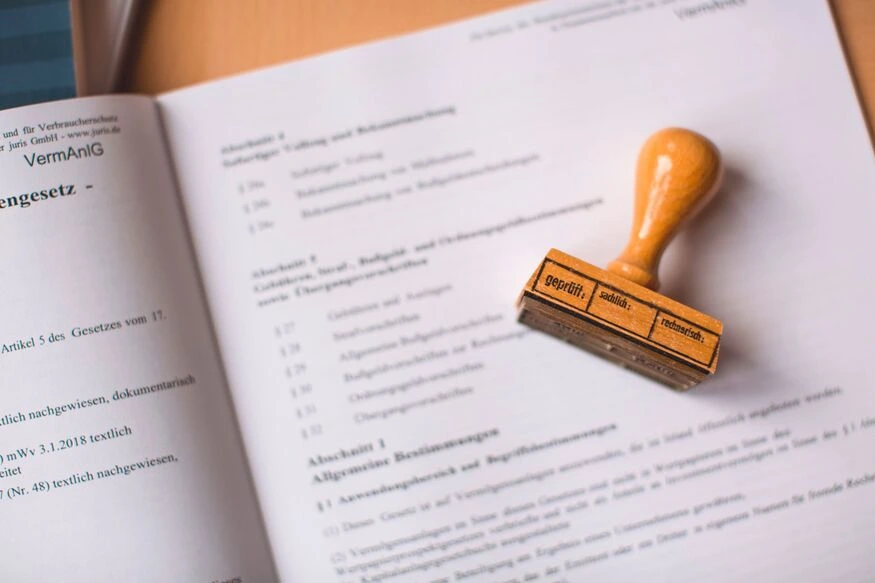
Then, what happens if you break a lease in PA? Breaking a lease can have significant consequences, ranging from financial penalties to legal disputes. Here’s what to expect:
Remaining Rent
Without a legal exception, the tenant stays liable for rent through the end of the term, or until the landlord re-rents the unit, whichever comes first. Picture an $1,800-a-month unit with eight months left on the lease. That's up to $14,400 on the line if the landlord never re-rents it. Negotiating a buyout, or finding a replacement tenant, almost always costs less than riding out the full balance.
Security Deposit Deductions
A landlord can apply the deposit to unpaid rent or to damage beyond normal wear and tear. But breaking the lease alone, with no damage and no unpaid rent, doesn't forfeit the deposit. The landlord still owes an itemized list of deductions within 30 days of move-out. Miss that deadline, and the landlord forfeits the right to keep any of it. The landlord can even owe double under 68 P.S. § 250.512.
Re-Renting and Mitigation
Pennsylvania doesn't force landlords to re-rent quickly. That's unlike states with a strict mitigation-of-damages rule. A tenant who wants to limit their exposure should ask the landlord, in writing, to start marketing the unit right away.
Keep a copy of that request. If the landlord later sues for the full remaining rent, that written record helps show the landlord sat on an easy re-rental instead of trying to reduce the loss.
Legal Action or Collection Risk
An unpaid balance can turn into a small-claims judgment in Magisterial District Court. From there, an unpaid judgment can go to collections. It can show up on a credit report. It can complicate the background and credit check for the next rental application.
Legal Procedures for Terminating a Lease in PA
Terminating a lease legally involves a series of carefully executed steps to ensure compliance with Pennsylvania's landlord-tenant laws. Here's a detailed breakdown:
- Step 1 - Review the Lease Agreement: Examine the terms of your rental lease for any specific clauses related to early termination. Look for provisions such as a lease-break clause or the required notice period.
- Step 2 - Understand Your Legal Grounds: Determine whether your reason for termination is protected under Pennsylvania law. Valid reasons, covered above, include a serious habitability defect under Pugh v. Holmes. They also include active-duty military orders under the federal SCRA, or, in Philadelphia and Pittsburgh, documented domestic or sexual violence.
- Step 3 - Provide Proper Notice: Match the notice period to your actual reason. Use 10 days for nonpayment or illegal drug activity. Use 15 days for a breach or termination of a tenancy of one year or less. Use 30 days for a tenancy over one year, under 68 P.S. § 250.501, unless the lease sets a shorter period.
- Step 4 - Document the Termination: Keep a record of all communications, including written notices and responses. If applicable, gather evidence supporting the termination, such as photographs of uninhabitable conditions or correspondence related to safety concerns.
- Step 5 - Negotiate with the Other Party: Open discussions with the landlord or tenant can often lead to mutually agreeable solutions. This may include finding a replacement tenant or agreeing to a termination fee.
- Step 6 - Comply with Financial Obligations: Ensure all outstanding rent or fees are paid to avoid disputes. If a termination fee is specified in the lease, address it as part of the agreement.
- Step 7 - Seek Legal Counsel if Necessary: If disputes arise or the termination process becomes contentious, consult with an attorney specializing in landlord-tenant law to protect your rights.
- Step 8 - Confirm Lease Termination: Once all steps are completed, confirm the termination in writing to avoid any misunderstandings. Ensure the property is vacated in accordance with the agreed timeline.
This comprehensive guidance applies to both tenants and landlords; therefore, don't forget to review it when you are ready to end your lease. Trust me, these steps will help you minimize potential conflicts while pursuing lease terminations.
Alternatives to Breaking a Lease
Breaking a lease should usually be a last resort due to the potential financial penalties involved. If you need to move out early, try exploring these collaborative solutions with your landlord first:
- Negotiate an early termination agreement. Write down the move-out date, any fee, and how the deposit gets handled. Have both sides sign it. That way, there's no dispute later about what the landlord agreed to.
- Find a replacement tenant. Once a landlord approves a new tenant under the same lease terms, that usually releases the original tenant from any further rent. Still, get that confirmation in writing rather than assuming it.
- Sublet the unit. This option still leaves the original tenant on the hook if the subtenant stops paying. So it carries more risk than a full lease assignment. But it can work when the landlord won't approve a full replacement.
- Use an early termination clause. If the lease already has one, this route is usually the cheapest and fastest. The fee and notice period are already spelled out.
- Request a payment plan. Some landlords will accept partial payments over time rather than pursue a lump-sum judgment. This works especially well for a tenant who's otherwise been reliable.
- Document repair or safety issues. If the real problem is a habitability defect, a formal written notice to the landlord starts the clock. That clock can turn "no legal reason" into a real constructive eviction claim.
By taking a proactive approach, you can often avoid the worst consequences of ending your tenancy early. Regardless of the agreement you reach with your landlord, always ensure it is finalized in a written and signed document.
Conclusion
Overall, breaking a lease in Pennsylvania requires a clear understanding of legal obligations and valid reasons. No matter which side you are on, adherence to state laws ensures a fair and transparent process.
Only a few reasons actually excuse a tenant from rent: a serious habitability defect, active military orders, or, in Philadelphia and Pittsburgh, documented domestic or sexual violence. Everything else, from a new job to a dislike of the neighborhood, leaves the tenant liable until the landlord re-rents the unit or the term runs out.
Whichever side of the lease you're on, know your rights under Pennsylvania's rental laws before you send a notice or sign a release. The notice period and the paperwork decide the outcome. Get them right, and an early exit costs you nothing. Get them wrong, and it costs you the rest of the lease.
Disclaimer: The information provided in this post is intended for general informational and educational purposes only. It should not be construed as legal, accounting, or tax advice. For guidance specific to your situation, we recommend consulting with a qualified professional in the relevant field before taking any action based on the content provided.