
Washington pet rent laws are a big topic as 2025 starts. New rules affect how landlords and tenants handle pet fees, rent, and deposits. Whether renting or owning property, knowing the latest rules is necessary. This helps everyone stay compliant and also reduces arguments in the rental process.
This guide explores the current pet rent rules in Washington. It includes new laws, legal financial limits, and practical tips. Whether you want to know if pet rent is legal in Washington, the permissible limits on fees, or protections for emotional support animals, this article has you covered with expert insights and practical tips.
Overview of Pet Rent Laws in Washington
Washington's pet-friendly rental laws influence how landlords and tenants manage pets. These laws regulate things to protect tenant rights. They also address landlords’ concerns about property damage and wear and tear.
Understanding these rules helps prevent disputes and supports better rental relationships. Comparing Washington's rules to those of other landlord-friendly states can offer valuable context on housing market trends.
Is Pet Rent Legal in Washington?
Yes, pet rent is legal in Washington. The Washington State Residential Landlord-Tenant Act (RLTA) allows landlords to charge tenants an additional pet rent, usually a small monthly fee, in addition to the base rental rate. However, the law requires such charges to be clearly outlined in the lease agreement.
Landlords can charge pet rent in Washington, as long as the lease spells it out. There are, however, important limits and disclosures to be aware of, especially when dealing with service animals and assistance animals, where pet rent and fees cannot legally apply.
Current Legal Status (2025 Update)
As of 2025, Washington rental laws are evolving to address pet deposits and pet rent by proposing limits on how much landlords can charge. Senate Bill 6064, currently a proposed bill pending passage, seeks to cap pet deposits at $150 and ban monthly pet rent and non-refundable pet fees.
Although this bill has not been enacted, pet deposits may still be capped based on local ordinances, which can vary. Landlords must remain aware of both state-level proposals and local rules regulating pet fees and deposits.
Pet Fee and Deposit Limits in Washington
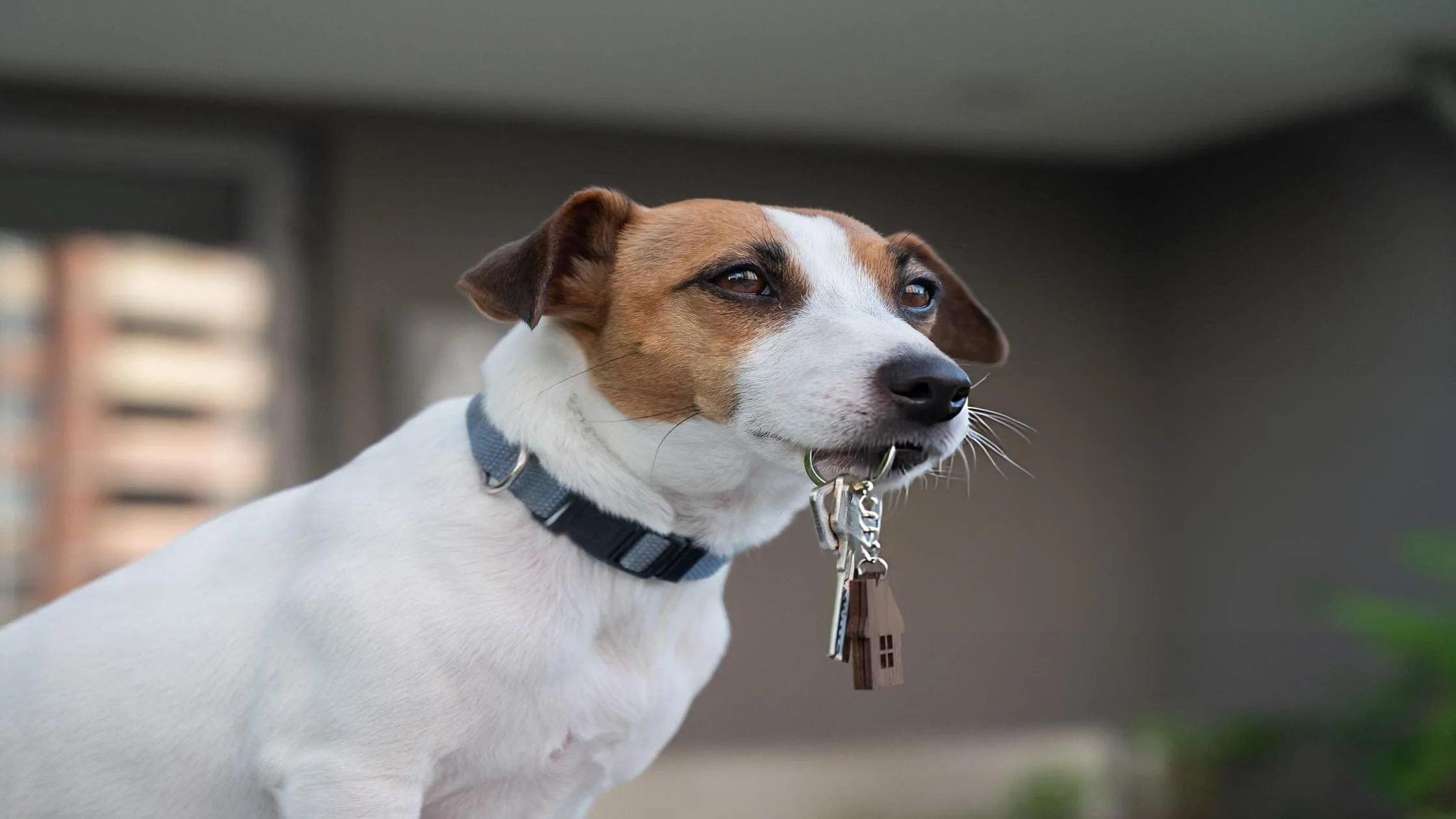
For landlords, it is very important to correctly identify the difference between deposits, fees, and rent. Each category has separate legal duties for collection and refundability under Washington pet rent laws. Misclassifying these charges can result in severe legal penalties and lead to substantial financial losses.
Security Deposit Caps and Pet Deposits
Washington State currently does not require a one-month cap deposit on a standard security deposit. However, local rules, such as those in Seattle, do impose a limit on security deposits, often equal to one month's rent. Property owners must carefully check their specific local city laws to ensure compliance.
State law specifically limits the amount of any additional security deposit that can be collected for a pet. This is a crucial point to keep in mind. According to RCW 59.18.285, the maximum additional pet deposit for a pet that is not a service animal is restricted. The limit is equivalent to one month's periodic rent.
For example, if the monthly rent is $1,800, the pet deposit cannot be more than $1,800. This sets the pet deposit limit in Washington. Landlords must keep this deposit separate and apply it solely to damages caused directly by the pet.
Rules on Pet Rent Charges
Landlords in Washington can charge pet rent to cover the ongoing wear and tear pets may cause. This fee is a monthly, non-refundable charge legally considered rent. Since pet rent counts as rent, failure to pay it follows the same eviction rules as unpaid rent. Unlike security deposits, pet rent does not serve as a damage deposit.
Clear disclosure of pet rent is vital. The lease agreement, often via a Pet Addendum, must explicitly state the pet rent amount. Pet rent must also be clearly separate from any security deposit. Though Washington does not set a state-wide cap on pet rent, landlords must ensure the amount charged is reasonable.
Local laws may limit the combined financial burden of pet rent and deposits to keep move-in costs affordable. Recent trends in Washington push toward tighter controls on all pet-related charges to expand housing access. Landlords should also be aware of rules regarding Washington’s rent control laws, as the state currently prohibits broad rent control.
Refundable vs. Non-Refundable Pet Fees
Washington State has specific legal rules for non-refundable pet fee structures. State law (RCW 59.18.257) generally allows landlords to charge a one-time cleaning fee or a non-refundable pet fee upfront in Washington. The charge must be clearly listed as non-refundable. It cannot be presented as part of the security deposit.
A central legal difference exists between a “pet fee" and a “pet deposit."
- Pet Fee: A one-time, non-refundable charge is applied. It covers specific administrative costs or the cost of required professional cleaning when the tenant moves out. This specific charge cannot be used to cover damage caused by the pet.
- Pet Deposit: A deposit is, by law, potentially refundable. It is held to cover pet-related damages specifically.
Local Ordinances and City-Specific Rules
Washington State law gives the general framework. However, local jurisdictions often have the strictest pet rent rules.
- Seattle: The pet deposit in Seattle is refundable and strictly capped at 25% of one month's rent. Importantly, non-refundable pet fees are explicitly illegal in Seattle. Monthly pet rent in Washington remains legal but must be clearly disclosed.
- Bellingham: Bellingham has enacted “junk fee" ordinances. The pet damage deposit is capped at 30% of the monthly rent. If a landlord charges a deposit, they cannot charge any additional pet rent or non-refundable fee.
The local rule of the city or county where the property is located always wins. Checking local city codes is therefore very important. The idea of a single, statewide standard pet deposit for rentals is wrong. Compliance requires knowing the local rules.
Pets, Service Animals & Emotional Support Animals

Navigating the definitions of a service animal and an emotional support animal (ESA) in Washington housing is essential, as these cases are protected under federal law.
Emotional Support Animal (ESA) in Washington
Under the federal Fair Housing Act (FHA), an Emotional Support Animal (ESA) in Washington is defined not as a pet, but as a type of assistance animal. The animal is necessary for a person with a disability to have an equal opportunity to use and enjoy a dwelling.
It focuses on whether the animal provides emotional support that alleviates one or more symptoms of a person's disability. This is distinct from a service animal, which is individually trained to perform a task.
Washington law on emotional support animals generally follows federal FHA guidelines, requiring landlords to make a "reasonable accommodation" for the animal. This means a landlord's standard pet policy, including breed or size restrictions, cannot be applied to a verified ESA.
When Pet Rent and Fees Cannot Be Charged
The fees prohibited for assistance animals include pet rent, pet deposits, and non-refundable pet fees. Under the FHA, an ESA is not legally considered a pet; therefore, no pet rent for an ESA can be charged.
This means that while a landlord may charge a general security deposit to a tenant with an ESA, they cannot charge an additional deposit or any fee specific to the animal, even in a "no-pet" building. Denying a verified assistance animal housing or imposing pet-related fees constitutes housing discrimination based on disability.
Verification and Documentation Rules in Washington
Landlords can ask for proof of a tenant’s need for an assistance animal using a verification process for an assistance animal. ESA laws in Washington protect tenant privacy during this process. For service animals, landlords may only ask if the animal is needed because of a disability and what task it is trained to do. Usually, no paperwork or breed restrictions apply.
For emotional support animals (ESAs), landlords may require an ESA letter from a licensed professional, such as a doctor or mental health therapist. The documentation must verify the tenant’s disability and the support the animal provides. Requesting detailed medical records or specifics about the disability is prohibited.
Refusing a reasonable accommodation pet housing request is illegal. This is true if the animal is a qualified service or emotional support animal. Refusal based only on the animal's size or breed is illegal. Landlords must be careful not to violate the rules of non-discrimination housing in Washington.
Rights and Responsibilities for Landlord and Tenants
Both landlords and tenants have clear roles when it comes to Washington pet rent laws. A proper understanding of these duties benefits everyone.
Landlord Duties Under Washington Law
Under Washington State law, landlord obligations to pets and deposits are strictly defined. Beyond simply accommodating assistance animals, landlords must follow strict procedural rules. Landlords should be aware of the rules governing what a landlord cannot do under state housing laws. These include:
- Deposit Notice Requirements: Landlords must give a complete written checklist or statement. These details the condition of the property before collecting a security deposit. Failing to do this could make the landlord liable for the full amount of the deposit.
- Security Deposit Return: After the tenancy ends, the landlord has a maximum of 30 days to return the full deposit. They can also provide a specific, itemised written statement, along with required documentation. This process, known as the notice requirements for security deposit, must be followed exactly.
- Non-Discrimination: Landlords must ensure they are not discriminating against any protected group. In this case, people with disabilities need assistance animals. This is part of their duty under non-discrimination housing in Washington.
Tenant Rights and Obligations
Tenants in Washington also have major responsibilities when they own a pet.
- Contractual Responsibility: A tenant is legally obligated to follow the terms of the Washington lease clause for pets and the Pet Addendum Template. Violating pet rent rules in Washington can be a legal ground for eviction. Tenants need to obtain pet liability insurance for renters to protect themselves against unforeseen costs.
- Damage Guarantee: The tenant is fully responsible for any damage caused by their pet that exceeds normal wear and tear. The pet deposit covers these damages, but does not limit the tenant’s liability for repair costs.
- Right to Reasonable Accommodation: Tenants with a disability have the right to reasonable accommodation for an assistance animal. This right overrides typical pet policies.
Managing Pet-Related Damages and Deductions
The best way to defend against security deposit arguments is to manage both the move-in and move-out inspections well.
- Move-In Documentation: Before a tenant moves in, a formal move-in inspection pets Washington checklist must be completed. It must clearly document the pre-existing condition of the rental unit. This sets the definitive baseline for new damage.
- Deductible Costs: Pet-related damages are eligible costs. These costs can be deducted from the separate pet deposit first. If those funds run out, the costs can come from the standard security deposit. Landlords cannot legally deduct costs for general cleaning or for normal wear and tear.
- Move-Out Walkthrough: A final move-out walkthrough and pets inspection is necessary to check for any new damage. Landlords must then provide the itemised statement within the mandatory 30-day window. This statement must justify any deductions made.
Best Practices to Avoid Disputes for Landlords
The changing environment of Washington's pet rent laws requires careful management. Proactive and clear property management is the most reliable way to reduce risk. This approach also helps maintain a productive relationship with tenants.
1. Communicate Pet Expectations Early
Openly discussing pet expectations with prospective tenants helps prevent misunderstandings and future conflicts. Communication should cover all aspects of the Washington pet rent laws. Clarify rules about temporary animals to prevent potential issues. LeaseRunner's online rental application makes gathering initial pet information easy.
2. Clear Pet Terms in the Lease
Lease agreements must clearly spell out all pet rules. Use a Pet Policy Lease Sample for completeness. The rules should cover permitted breeds and size limits. Detail behaviour expectations for the animal. All pet-related charges must be clearly defined in the lease clause for pets in Washington.
3. Document Property Condition Before and After Tenancy
Complete a thorough inspection of the rental property. Clear documentation, including photos, must be obtained before move-in and after move-out. A formal move-in inspection is legally required in Washington. A detailed move-out walkthrough for pet inspection ensures a fair comparison of property damage. Landlords should also be aware of the process for handling abandoned property in Washington.
4. Keep Transparent Records of Fees
Landlords must keep clear and timely records of all deposits and fees collected. Every transaction, including the pet deposit and any non-refundable pet fee, must be documented. Obtain acknowledgement from both parties for these financial transactions.
Using LeaseRunner's tenant background screening service is essential for compliance with Washington's tenant screening laws..
Conclusions
Washington pet rent laws in 2025 permit pet rent but under strict disclosure and local restrictions. The security deposit limit often includes pet deposits capped by local ordinances, while non-refundable pet fees are allowed only as limited one-time charges. Assistance animals like ESAs enjoy broad exemptions from these fees.
Both landlords and tenants benefit from clear agreements and adherence to state and local rules to avoid conflicts. Detailed documentation and transparent fee practices promote smooth rental relationships. LeaseRunner offers a wide range of resources to help property owners and renters navigate these complex laws confidently.
FAQs
1. What is the new pet rent law in Washington?
No statewide law currently prohibits monthly pet rent in Washington. However, bills like Senate Bill 6064 (a proposed bill for pets in rentals) have sought to cap pet deposits at $150 and ban pet rent entirely. Local ordinances, such as those in Seattle, have their own stricter rules.
2. What is the maximum amount a landlord can charge for pet rent in Washington?
State law does not set a maximum amount for monthly pet rent in Washington. However, local ordinances often place limits, such as a percentage of the rent. The maximum pet deposit is capped statewide at one month’s periodic rent for a non-assistance animal. Local rules may impose further restrictions on the combined total of pet fees and deposits.
3. Can a landlord break a lease for pets in Washington?
Yes, a landlord can terminate a lease if tenants breach the pet rules in the lease clause for pets in Washington or the pet addendum. However, proper notice requirements, security deposit, and opportunities to remedy the violation must be provided before eviction can proceed.
4. Can I get evicted for pet sitting in Washington?
Unauthorised pet sitting may violate lease terms or trigger local dog breed restrictions in Washington if the pet is prohibited by the contract. Eviction depends on the specific language of the lease and adherence to legal notice requirements for compliance.
Disclaimer: The information provided in this post is intended for general informational and educational purposes only. It should not be construed as legal, accounting, or tax advice. For guidance specific to your situation, we recommend consulting with a qualified professional in the relevant field before taking any action based on the content provided.