The move-out cleaning cost is one of the first things landlords and tenants worry about after the lease ends. Moving day already means packing boxes, but tenants also have to scrub kitchen counters, degrease the oven, vacuum carpets, and wipe down every window before handing back the keys.
Knowing what move-out cleaning covers, and what it's reasonable to pay, helps both sides avoid a stressful, expensive surprise. This guide breaks down the real costs and what each side is responsible for.
Key Takeaways
What is Move-Out Cleaning?
Move-out cleaning is a thorough scrub of an empty home performed after tenants have removed all their belongings. It goes far beyond a weekly tidy because it targets hidden dirt: sticky refrigerator drawers, dust on top of door frames, and black grease on stove drip pans.
This process resets the unit for the next tenant. Skipping it gives landlords grounds to charge a cleaning fee, so a thorough move-out clean protects your security deposit.
How Much Does Move-Out Cleaning Cost?
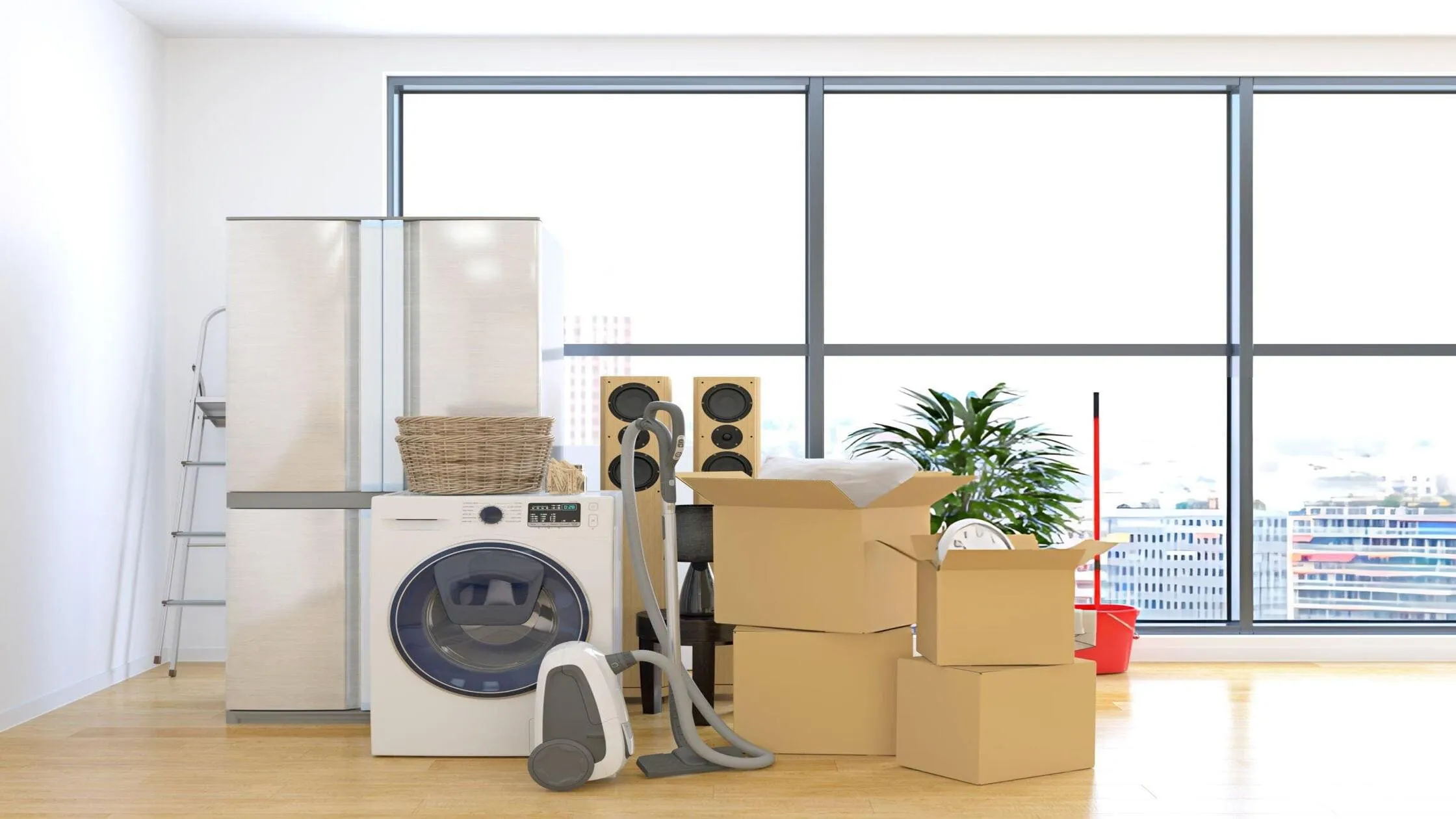
Move-out cleaning costs between $100 and $750 on average, and the price depends primarily on the home's size and the level of cleaning it needs. This is rarely one fixed number, since a small studio costs far less to clean than a large house, and a tidy unit always costs less than a messy one.
When budgeting for total property management costs, landlords often factor in turnover expenses. Cleaning fees, however, are typically the tenant's responsibility if the unit isn't returned in good condition.
Average Move-Out Cleaning Costs
Most move-out cleans run between $150 and $400, though the exact price climbs with each additional bedroom since more rooms mean more time and labor for the crew. Most cleaners charge $25 to $50 per person, per hour, though many also offer a flat rate for the full job.
Notes: Always ask for a flat rate quote first. Avoid paying by the hour if possible. If the cleaners work slowly, an hourly bill can grow very high, but a flat fee protects tenants' wallets from unexpected costs.
Factors Affecting the Price
Five things drive the price of a move-out clean up or down: property size, dirt level, location, leftover items, and who you hire.
- Property Size: This is the biggest factor. A house typically costs more than an apartment, since it has more floors to mop and more walls to dust.
- Dirt Level: Deep grime costs more. Burnt food on the stove requires extra scrubbing, and mold in the bathroom needs stronger chemicals and more effort to remove.
- Location: Prices shift by state and city. Arkansas averages around $25 per hour, while a big city like New York can run twice that.
- Leftover Items: A cleaning service that also hauls away trash usually adds a disposal fee, often around $100, on top of labor.
- The Cleaner: An independent cleaner usually charges less than an agency, but agencies carry insurance, which protects the landlord if something goes wrong. Landlords hiring help should also check whether coordination fees are already included in the property managers' service fees.
Notes: Lower the difficulty level for the pros to save cash. Throw away all the trash first, then wipe the easy surfaces. If tenants leave the house tidy, the cleaners finish more quickly, which lowers the final price.
What Does a Move-Out Cleaning Service Include?
A move-out cleaning service covers a full reset of the home, not just a quick surface tidy. It means a deep scrub of every surface, from kitchen counters to window sills, so the unit is ready for its next tenant.
At LeaseRunner, we recommend using the apartment guide's move-in checklist in reverse to track their work. This helps move-out cleaning crews catch the hidden areas tenants often ignore, keeping the unit ready for the next family.
Cleaning Kitchen and Bathrooms
These rooms take the most time, which drives up the move-out cleaning cost.
- The Kitchen: Grease is the main enemy here. Cleaners degrease the range hood because it gets very sticky over time. They clean inside the oven to scrub burnt food off the metal racks. They also wipe inside the microwave and empty the cabinets, wiping crumbs from every drawer. They usually pull the fridge out to sweep the dust behind it.
- The Bathroom: Pros fight soap scum here. They scrub the glass shower doors to remove the white chalky buildup. They bleach the grout lines to kill mold and polish the sink faucets to remove water spots. They also clean the base of the toilet, where dust tends to collect.
Useful Advice: Defrost the freezer two days in advance and wipe up any water. This saves the cleaners' time. It might save money on the hourly rate. Also, run the dishwasher one last time so it smells fresh for the final walk-through.
Carpet and Floor Cleaning
Floors show the most wear. A standard clean is just vacuuming, but a move-out clean goes deeper.
- Carpets: Services often steam-clean them to lift dark stains and remove pet odors. Be cautious here, as landlords cannot charge for normal wear and tear. Worn paths are acceptable, but red wine stains are not.
- Hard Floors: The crew sweeps the corners where dust hides. They mop with a fresh scent to make the wood or tile shine. They also clean the transition strips between rooms.
Useful Advice: Vacuum the carpet in two directions before the pros arrive. Go North-South, then East-West. This picks up loose hair. It lets the cleaners focus on deep stains rather than surface dirt.
Wall and Window Cleaning
Walls pick up marks whenever tenants move furniture, so move-out cleaning quotes often include spot cleaning too.
- Walls: Cleaners look for black scuff marks to gently wipe them off. They clean the light switches because they hold many germs. They also dust the baseboards near the floor, as they tend to collect dust that falls from above.
- Windows: They wash the inside glass to remove fingerprints. They wipe the window sills where dead bugs often collect. They also remove cobwebs from the top corners.
Useful Advice: If tenants clean scuffs themselves, avoid scrubbing flat paint too hard, as this may cause the paint to rub off. Use a soft sponge. If the tenant used nails, fill the holes with white putty for a smooth finish.
Key Differences Between Deep Cleaning and Move-Out Cleaning
Can a Landlord Charge a Cleaning Fee?
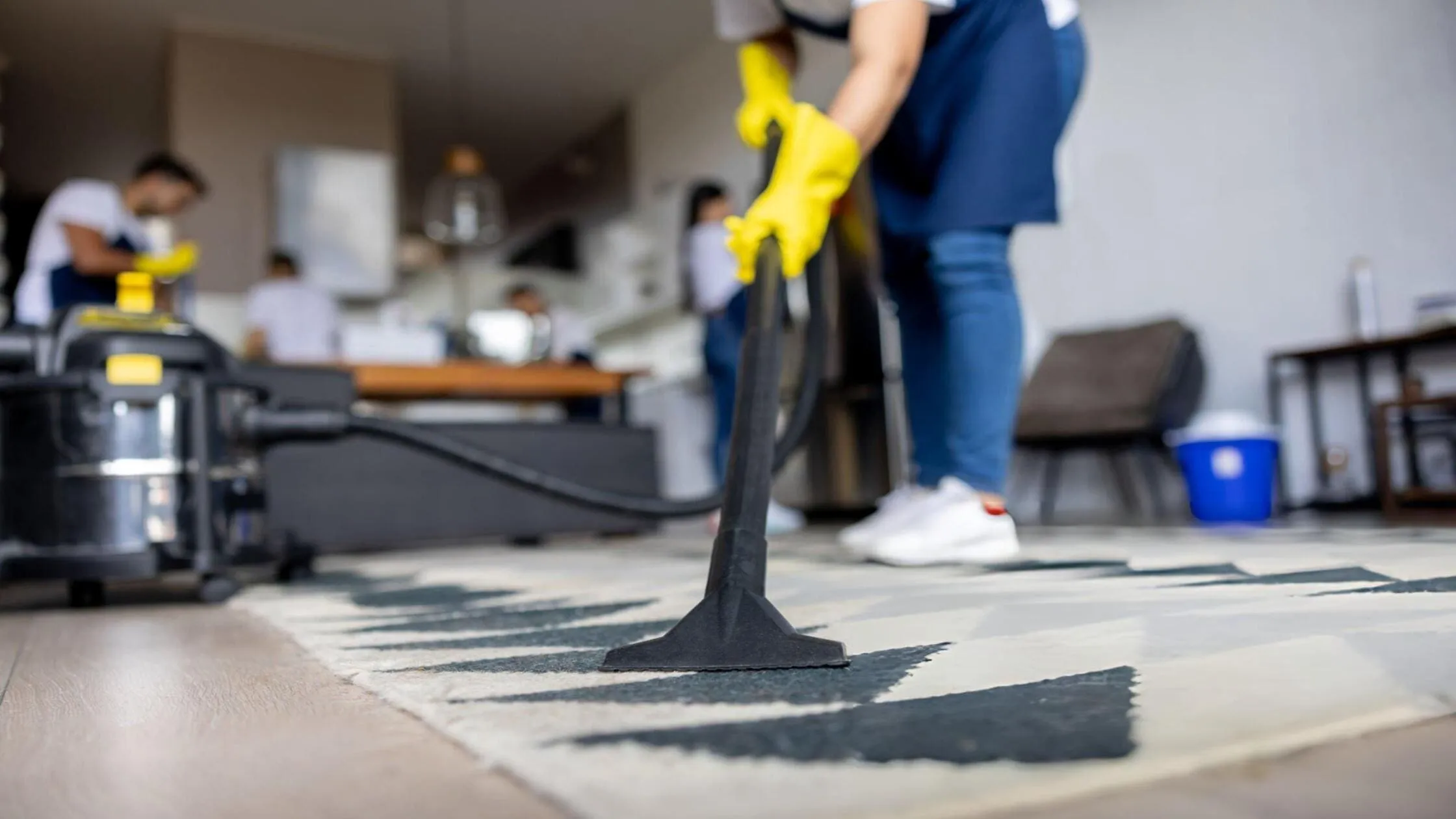
Yes, they can, but only under certain conditions. Whether a landlord can deduct a cleaning fee depends on the lease agreement and the landlord-tenant laws in that state. In most places, landlords can take cleaning costs from the deposit, but only if tenants leave the unit visibly dirty, not for normal wear and tear.
The line between the two matters. A little dust on a high shelf is normal. Soda spilled on the kitchen floor, or burnt food left in the oven, is not. When tenants leave messes like these, landlords hire a cleaner and pass that cleaning cost on to the tenant.
Here are clear examples of when tenants pay:
- Leave trash bags in the hallway.
- Leave a dirty, stained carpet.
- Leave mold growing in the shower grout.
- Leave an old mattress or piece of furniture behind.
To avoid this, check your lease for a non-refundable cleaning fee clause first, but don't assume it's automatically valid. Several states, including California, treat flat cleaning fees as part of the deposit and require landlords to refund any amount not actually spent on cleaning, regardless of what the lease calls it.
If there isn't a separate fee, cleaning the unit yourself, scrubbing the toilet, wiping baseboards, and the rest, means the landlord has no dirty unit to bill you for. Ask for what a landlord can look at during an inspection so you know exactly what they'll be checking.
Once you've moved out, landlords typically have 14 to 30 days, depending on the state, to return your deposit along with an itemized list of any deductions. These rules keep tightening: Colorado's HB25-1249, for example, took effect in January 2026 and now requires landlords to document every deduction and return deposits within 30 days. Since the fine print varies by state and changes often, check your specific state's landlord-tenant law before you move out.
How Long Does a Move-Out Cleaning Take?
It usually takes between 4 and 10 hours, depending on the size of the rental and how much dirt has built up.
The kitchen usually takes the most time. Scrubbing the oven inside and out, including removing burnt grease from the racks, can take up to an hour alone. Wiping down the fridge and washing its shelves in the sink adds another 30 minutes. Small details slow things down too: dusting every blind slat and scrubbing soap scum off shower glass both take real time and effort.
Two professional cleaners working as a pair can usually finish a standard two-bedroom apartment in three to five hours. Cleaning alone takes longer. Expect to spend a full Saturday on a smaller unit, or up to 10 hours on a three-bedroom house.
Hourly help costs less the faster the job goes, so if you're doing it yourself, start two days early to stay on schedule.
How Tenants Can Ensure a Full Refund of Their Deposit

Tenants get their full deposit back by meeting every lease requirement and leaving the unit spotless, which the five steps below make simple to follow.
- Step 1: Choose your cleaning method. Hiring a professional move-out cleaning service is the easiest option, since pros bring the tools to steam clean carpets and scrub deep grime from showers. Cleaning it yourself saves money, but it has to be thorough: skip the quick sweep and clean the hidden areas, too, like dusting ceiling fan blades and scrubbing grease from the oven.
- Step 2: Work from a checklist. Take your move-in checklist for apartments and use it in reverse, room by room, checking blinds and drawer interiors along the way so nothing gets missed.
- Step 3: Document your work. Take photos on your phone of the clean floors, the empty fridge shelves, and any other finished areas. These photos are your proof if the landlord ever disputes the unit's condition.
- Step 4: Walk through with the landlord. Schedule the move-out inspections a week before you leave, so that if the landlord flags something like a dirty stove, you can fix it on the spot rather than paying a surprise bill.
- Step 5: Fix small damage. Fill nail holes from hung pictures with putty and replace any broken blind slats. These small repairs cover anything beyond normal wear and tear, and together with a thorough clean, they keep more of your deposit in your pocket.
Tenant's Responsibilities in Move-Out Cleaning
Thorough cleaning is the tenant's job, and it directly protects the deposit landlords would otherwise deduct for cleaning costs. A dirty unit leads to disputes; a clean one makes the handover smooth for everyone. Here is what tenants need to cover in each room.
1. In General
Tenants must remove all belongings and trash before they leave. Most leases require the unit to be left broom clean, meaning floors swept and surfaces wiped down.
Keep electricity and water on during cleaning, and check which utilities are included in your rent to determine whether you need to keep an account active on the final day. Also, don't leave large items like old furniture behind: the landlord has to pay a team to haul it away, and that cost gets passed straight to you through the dump fee and labor charge.
2. In Kitchen
Grease is the main enemy in the kitchen. Lift the stovetop to scrub the burners, wipe down the sticky hood fan, and clean inside the oven to remove burnt food and its lingering smell. Wipe out the fridge too: pull the shelves, wash them in the sink, dry them, then gently pull the whole fridge out to sweep up the dust underneath.
A greasy kitchen costs more to clean professionally, since cleaners charge extra for heavy buildup. Doing this yourself with a strong degreaser is the cheapest way to handle it.
3. In Bathroom
The bathroom needs to shine. Scrub the toilet bowl and its base, then tackle the shower, where soap scum builds up into a chalky film that needs a stiff brush. Check the grout lines for mold, since cleaning prices rise if mold has set in, and treat any dark spots with bleach.
Wipe the mirror to remove streaks and the faucet to remove water spots. A spotless bathroom is one of the clearest signs to a landlord that you took care of the unit.
4. Floors
Floors show dirt fast, so sweep every room, including corners and edges, then mop hard floors with a fresh-scented cleaner. Vacuum carpets in several directions to lift more dirt, and rent a steamer for any visibly darkened carpet. Remember the normal wear and tear rule here, too: worn paths from years of foot traffic are on the landlord, but spills and stains are on you.
5. Repairs
Cleaning alone isn't enough: small repairs matter too. Fill nail holes from hung pictures with putty, and replace any burnt-out light bulbs with ones of the same wattage. A broken blind slat gets billed as a repair fee rather than a cleaning fee, but it still comes out of the deposit, so it's cheaper to fix it yourself before you leave.
Just make sure you're not covering a problem that existed before you moved in. Compare the unit's current condition to your move-in photos or checklist: if something was already broken when you arrived, it isn't your responsibility to pay for it.
6. In Exterior
Renting a house with a yard means extra work outside, too, and responsibility usually falls on the tenant. Mow the lawn, weed the garden, sweep the patio, and clean the sliding door glass.
Clear away any pet waste and hose down trash bins that smell from the summer heat. These small touches boost curb appeal and help the final inspection go smoothly.
Conclusion
A clean unit is the cheapest way to protect a security deposit. Landlords can only bill for damage or mess beyond normal wear and tear, so the real move-out cleaning cost comes down to one thing: how thoroughly the unit gets cleaned before the keys are handed back, whether tenants do it themselves or hire a pro.
FAQs
Q1. Can an Apartment Charge You for Cleaning? (For Tenants)
Yes. If you leave the unit in a messy state, they will charge you. For instance, leaving trash bags or a dirty stove allows them to bill you.
Q2. Do Cleaning Fees Affect the Security Deposit? (For Tenants)
Yes. If you don't clean, the landlord deducts the cleaning cost from your deposit and uses that money to hire a crew. Deep carpet stains alone can raise that bill by $100 or more, which lowers what you get back.
Q3. Is Professional Cleaning Worth It? (For Tenants)
Yes, for most tenants. A professional move-out cleaning service saves you the stress of scrubbing toilets on moving day and lets you focus on your new home instead. It also gives you a receipt you can show the landlord as proof that the job met professional standards, which helps prevent disputes.
Q4. Can Tenants Avoid Cleaning Fees?
Yes. To avoid the fee entirely, return the unit to its original condition, including any hidden areas, such as blinds and fan blades. If you're subletting, review how to rent out a room in your house so your subtenant understands their cleaning duties too.
Q5. How much do apartments charge for leaving stuff behind? (For Tenants)
Leaving items behind incurs an extra fee because the landlord must hire a hauler to remove them. You pay for that labor plus a separate dump fee, and the total often runs $50 to $250 per item, depending on its size and weight.
A couch or mattress sits at the higher end of that range. Donating or selling large items before you leave is much cheaper than having the landlord handle them.
Q6. What is the difference between deep cleaning and move-out cleaning? (For Tenants)
The primary distinction is that move-out cleaning targets a completely empty space—such as inside empty cabinets and behind appliances—to prepare for new occupants, whereas deep cleaning focuses on built-up grime in a furnished, lived-in home. For a full side-by-side comparison of what each service includes, check out our detailed table in the 'Key Differences Between Deep Cleaning and Move-Out Cleaning' section above.
Q7. Do tenants have to clean when moving out?
Yes, they must do this. Most leases require the unit to be "broom clean." This means they must sweep the floors and wipe the counters. They must also remove all trash. If tenants skip this step, the landlord will deduct the cost from their security deposit.
Disclaimer: The information provided in this post is intended for general informational and educational purposes only. It should not be construed as legal, accounting, or tax advice. For guidance specific to your situation, we recommend consulting with a qualified professional in the relevant field before taking any action based on the content provided.