Spotting a roach the week after move-in raises a question most tenants haven't prepared for: Are landlords responsible for pest control, or is it on you? In most states, the law defaults to the landlord when the infestation predates the tenancy, comes from structural defects, or spreads through shared walls. Tenant negligence is the main exception. A well-drafted lease and a timely written notice are what determine how that exception plays out.
Are Landlords Responsible for Pest Control?
The main question is: are landlords responsible for pest control? In most cases, yes. Landlords must keep rental homes safe and livable. This means they must fix pest problems. This duty is called the implied warranty of habitability. It requires landlords to keep homes safe from health hazards, including pests.
The rules are not always simple. Sometimes tenants share the responsibility. For example, if pests show up because of tenant carelessness, tenants may need to handle the problem. But if pests come from building issues or were there before moving in, landlords must act. This is the usual landlord pest control responsibility.
For example, if termites or rodents enter through cracks in walls or roofs, landlords must fix the damage and pay for treatment. Tenants can't be blamed for these.
When Landlords Are Responsible for Pest Control?
Landlords have clear responsibilities for pest control in specific situations. Knowing when these apply can help avoid conflicts and legal problems.
1. Pre-existing Infestations
If pests are already in the property before a tenant moves in, the landlord is responsible for handling them. This is because landlords must provide a safe and clean home. For example:
- Structural Defects: If termites have damaged the wood or rats are entering through unrepaired cracks in the foundation, external walls, or gaps around utility pipes prior to or at the start of the tenancy, the landlord must arrange treatment and pay for pest control for landlords.
- Rodent Nests: If rodents have made nests in walls or ceilings prior to occupancy, landlords must remove them and seal all known entry points, such as holes in floorboards or broken ventilation screens.
- Moisture and Water Damage: If the property has unaddressed water leaks from broken pipes, a leaky roof, or faulty guttering, leading to excessive moisture, the landlord is responsible for both fixing the leak and treating pests like cockroaches or silverfish that thrive in damp conditions.
- Poor Refuse Management: In multi-unit properties, if the landlord fails to provide adequate, vermin-proof garbage disposal facilities (like secure, lidded bins) in communal areas, leading to a pre-existing rodent or insect problem, they must resolve the issues.
This is a basic part of the landlord's pest control responsibility to offer livable, pest-free housing.
2. Habitability and Building Codes
State and local laws require landlords to keep their rentals fit for tenants to live in. This includes pest-free conditions under health and housing standards. If pests threaten habitability, landlords must act. For example:
- Rat infestations in a kitchen make the unit unsafe, so the landlord must pay for treatment.
- The presence of bed bugs makes the home unlivable, triggering landlord pest control for rental properties duties.
Failing to comply may lead tenants to file complaints or take legal actions demanding pest treatment. Usually, the landlord pays for pest control in such cases. In fact, a tenant may wonder how long a landlord has to fix something, and habitability issues typically require the quickest response time.
The answer is: for emergencies like no heat or burst pipes, they should start repairs within 24 to 48 hours. Non-emergency repairs typically require action within 7 to 30 days. These timeframes depend on local laws and the severity of the issue.
3. Structural Issues
Many pest problems arise from property defects. Landlords must repair these problems to stop pests from entering. Typical examples include:
- Cracks in walls or floors where cockroaches or rodents enter the home.
- Leaking pipes create damp areas that attract termites or ants.
- Broken window seals or vents that allow birds or squirrels inside.
If pests come from such structural faults, landlords must fix the issue and cover pest control costs. Tenants should notify landlords promptly upon noticing pests caused by poor maintenance.
4. Multi-unit Dwellings
In apartment buildings, a pest problem in one unit rarely stays contained. Shared walls, plumbing lines, and trash areas provide roaches and rodents with natural corridors between units, which is why landlords in multi-unit buildings have broader, non-waivable pest control obligations than those managing standalone rentals.
To meet those obligations, landlords must:
- Maintain clean hallways, laundry rooms, and trash areas to eliminate the conditions that attract pests and allow them to move between tenants.
- Coordinate professional treatments across all affected units, not only the one where the complaint originated, since treating a single unit without addressing adjacent ones is rarely effective.
- Act promptly on infestations in common areas because a delay in a shared space can accelerate the spread to multiple units at once.
This duty cannot be contracted away in a lease. In Florida, for example, Florida Statute §83.51(2)(a) requires landlords of multi-unit buildings to provide extermination at all times during the tenancy, and this obligation cannot be waived or reassigned to tenants through a lease clause.
Single-family rentals work under a meaningfully different legal framework. In states including Florida, a written lease can lawfully assign routine pest control duties to the tenant of a single-family home or duplex. If the lease says nothing about it, the landlord remains responsible by default.
Infestations in standalone rentals are also easier to trace to a single source: when a tenant's habits clearly caused the problem, landlords have stronger legal grounds to recover treatment costs than they would in a multi-unit building where the origin of the spread is almost impossible to isolate.
The practical implication for lease drafting is significant. A pest control clause in a single-family lease has legal standing in many states. The same clause placed in an apartment lease does not hold, and attempting it can create liability rather than reduce it.
Property owners managing multi-unit buildings should also note that home insurance vs. landlord insurance handles pest-related structural damage differently depending on property type, and the multi-unit context shifts that calculation considerably.
5. Specific Pests
Some pests are specially regulated. Landlords usually must handle treatment in these cases, especially if infestations existed before a tenancy or are widespread:
- Bed bugs: landlords often pay for treatments, unless tenant negligence is proven.
- Rodents: Rodents pose health risks, so landlords must address structural breaches that cause infestations.
- Termites: landlords are responsible for termite inspections and eradication due to the risk of structural damage. Tenants are rarely responsible for issues like this, but they should be aware of what a landlord cannot do when managing their property access.
However, tenant responsibility may arise if lease agreements include clauses assigning pest control duties or if tenant actions cause the infestation. Clear lease terms help clarify who is responsible for pest control in such scenarios.
By understanding these points, landlords know better when pest control is their duty. Acting swiftly to fix problems, perform preventive maintenance, and communicate with tenants helps avoid costly damage and legal trouble. This helps keep rental properties safe, pest-free, and enjoyable for all.
When Tenants Are Responsible for Pest Control?
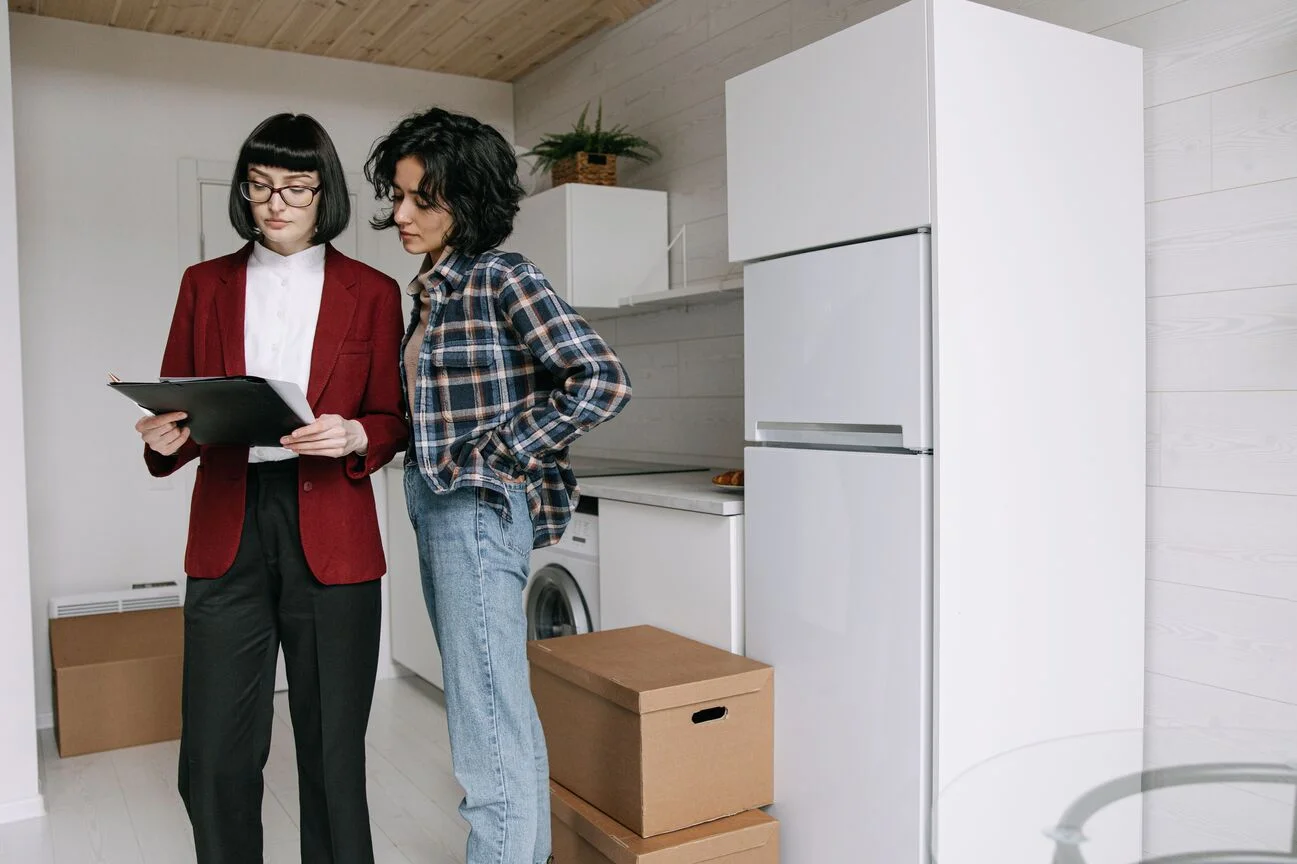
While landlords usually carry the main duty for pest control, tenants also have responsibilities in certain cases. Knowing when tenants should handle pest control can prevent disputes and protect both parties.
Poor Hygiene or Negligence
If the tenant's actions cause or worsen a pest problem, the tenant may be responsible for treatment. Examples include:
- Leaving food uncovered or dirty dishes in the sink attracts cockroaches and ants.
- Failing to take out the garbage regularly can cause rodents or flies.
- Neglecting cleaning, allowing a buildup of crumbs or spills.
- Hoarding clutter that offers places for pests to hide.
The tenant’s negligence creates the infestation, so they must pay. This is an important part of tenancy pest control duties. It's important to distinguish between this tenant-caused damage and normal wear and tear that the landlord covers.
Unreported Infestations
Tenants must tell landlords about pest problems quickly. Delays can let infestations grow, making treatment harder and more costly. For instance:
- If a tenant waits weeks to report seeing mice, the problem may spread throughout a building.
- Bed bugs, unnoticed early, can multiply and affect neighbours.
Failing to report can shift the responsibility for pest control to the tenant, since the delay allowed pests to multiply.
Specific Clauses in the Lease
Many leases have rules about pest control responsibility. Some leases:
- Make tenants responsible for dealing with minor pests like ants or spiders using store-bought treatments.
- Place the duty for serious infestations, like termites or bed bugs, on landlords.
- Require tenants to keep units clean to prevent pests, making non-compliance a breach of the lease.
Reviewing your lease helps clarify who pays and acts when pests appear. Proper pest control for rental properties starts with lease agreement templates between landlords and tenants. By following these guidelines, tenants share in keeping homes pest-free responsibly.
When screening, landlords use a tenant screening checklist and conduct interviews to assess if a prospective renter will follow these maintenance clauses.
Good hygiene, timely reporting, and a clear understanding of lease obligations help avoid costly pest problems and legal disputes. Both tenants and landlords must respect their roles in landlord and pest control to maintain a healthy living environment.
How to Determine Who Should Pay for Pest Control?
Deciding who pays for pest control requires careful steps. You must combine documentation, lease details, and local laws to find the answer. This process protects tenant and landlord rights alike.
1. Check the Lease Agreement
The lease is the most important place to check for pest control duties. It usually explains clearly:
- Whether the landlord or tenant pays for pest treatments.
- Tenant responsibilities for everyday upkeep per tenancy pest control clauses.
- Landlord duties for major pest problems or those linked to structural issues.
For example, a lease may state the landlord covers routine pest control like quarterly termite inspections. But tenants might need to pay if pests arise because of poor cleanliness. Knowing your lease stops guesswork about landlord or tenant responsible for pest control.
2. Document the Issue
Proof is key. Both landlords and tenants should collect evidence such as:
- Photos or videos showing pests like cockroaches, rodents, or bed bugs.
- Logs of when pests were seen and where.
- Records of tenant complaints or landlord responses.
Good documentation supports who pays and prevents disputes. For example, if tenants report mice promptly with photos, it shows landlords knew of the problem and must pay for treatment.
3. Consult a Professional
A pest control expert can find the infestation source. This helps decide responsibility by identifying causes, such as:
- Pests entering from building faults (e.g., cracks, leaks) point to landlord responsibility.
- Pests arising from tenant actions, like food left out attracting cockroaches, indicate tenant responsibility.
Licensed pest controllers provide reports that landlords and tenants can use to clarify pest control for landlords versus tenant duties.
4. Know Your Local Laws
Pest control rules differ by state and city. It’s key to:
- Learn which laws apply where you rent or own.
- Some states require landlords to pay for bed bug treatment regardless of cause.
- Others differentiate by pest type, infestation cause, or lease terms.
For example, New Jersey mandates landlords treat bed bugs, while Ohio lets leases shift costs if tenants cause infestations. Familiarity with local rules helps you understand who is responsible for pest control when renting.
Best Practices for Landlords to Handle Responsible of Pest Control
Landlords face many challenges in keeping rental homes safe, comfortable, and free of pests. Good pest control helps protect their property and keeps tenants happy. Being proactive and clear about pest control duties can prevent problems and legal disputes. Here are some best practices landlords should follow for effective pest management:
Include a Pest Control Clause in Every Lease
Clear rules in leases help avoid confusion about who handles pest control. Landlords should:
- State who pays for routine pest treatments and emergency pest issues.
- Specify tenant duties, such as maintaining cleanliness to avoid attracting pests, under the tenancy pest control rules.
- Detail the landlord's responsibilities for common areas and major pest problems.
- Use simple, clear language to avoid legal fights over landlord or tenant responsible for pest control.
For example, the lease might say landlords pay for quarterly termite inspections, but tenants are responsible for keeping kitchens free of food crumbs that attract cockroaches. At LeaseRunner, we advise landlords to include straightforward pest clauses. Before accepting any applicant, landlords should ensure their tenant background screening process includes reviewing rental history to gauge their maintenance habits.
Schedule Routine Inspections and Preventive Treatments
Regular checks and treatments stop pests before they grow into infestations. Landlords should:
- To prepare, landlords should understand what can a landlord look at during an inspection before tenants move in, and continue checking the property at regular intervals.
- Look for holes in walls, broken seals on windows, leaks, or cracks that pests can use to enter.
- Hire licensed pest professionals to do seasonal treatments like rodent baiting or termite barriers.
- Keep written records of inspections and treatments to prove compliance with health codes.
For example, a landlord may do pest spraying every six months and fill in holes near trash bins to avoid rodents. These steps reduce tenant complaints and protect property value. When performing preventative maintenance, reviewing a move-in checklist apartment helps ensure all entry points are sealed correctly from the start.
Document Pest Control Actions and Respond Quickly
Good record keeping and fast action are key. Landlords should:
- Keep notes and receipts of all pest control visits and treatments.
- Act quickly when tenants report pests. Waiting too long lets pests spread wider.
- Inform tenants about treatment dates and how to prepare.
- Show tenants they take pest control seriously by responding promptly and thoroughly.
For instance, if a tenant reports bed bugs, a landlord should hire pest control right away, confirm appointments in writing, and keep a file of all pest-related communications. Acting fast can save money and tenant trust.
What Tenants Should Do If They Find Pests?
When tenants find pests in their rental, acting quickly and responsibly is vital. Early actions help protect tenant rights, aid in prompt resolution, and reduce pest spread. Tenants also need to know what their duties are under landlord and pest control laws to avoid confusion. Below are key steps tenants must follow when dealing with pests:
1. Document the Infestation
Before reporting, tenants should:
- Step 1: Take clear photos and videos of pests like cockroaches, mice, or bed bugs.
- Step 2: Note when and where pests appear and any related damage or bites.
- Step 3: Keep a log of attempts to manage pests or if the infestation worsens. This evidence supports tenant requests for pest treatment and helps if legal action is needed.
2. Review the Lease Agreement
Tenants should:
- Step 1: Carefully check the lease clauses about whether the landlord should pay for pest control.
- Step 2: Identify if the landlord or the tenant pays for treatment, depending on the infestation’s cause.
- Step 3: Understand tenant duties in tenancy pest control, including hygiene obligations. This knowledge prevents surprise expenses and clarifies responsibilities.
Understanding the lease agreement is crucial, especially when considering questions to ask tenants about their acceptance of these responsibilities.
3. Notify the Landlord Immediately and in Writing
To trigger landlord response, tenants should:
- Step 1: Report pest sightings promptly in writing, ideally by email or certified mail.
- Step 2: Attach documentation like photos and notes to their reports.
- Step 3: Maintain clear, respectful communication to support timely actions.
4. Cooperate With Pest Control Treatments
To ensure effective treatment:
- Step 1: Tenants must allow access for pest inspections and services.
- Step 2: Follow pest control professionals’ instructions (cleaning, moving furniture, or temporary absence).
- Step 3: Cooperation speeds the cure, lowers the chance of pest return, and minimizes tenant inconvenience.
5. Follow Up and Escalate if Necessary
If landlords delay or ignore pest problems, tenants should:
- Step 1: Send polite reminder notices referencing previous alerts.
- Step 2: Keep all pest-related correspondence and evidence safe.
- Step 3: Contact local housing authorities or tenant groups if problems persist.
- Step 4: Consider legal options to enforce landlord pest control responsibility and safeguard habitability.
By following these steps, tenants directly help maintain effective pest control in rental properties. Clear communication and knowing when and how to act also strengthen the tenant's position if disputes arise. Both tenants and landlords benefit when responsibilities under landlord-tenant pest control agreements are respected and acted upon promptly.
Tenant Rights and Remedies When a Landlord Ignores Pest Problem
When your landlord goes quiet after you report a roach infestation or a rodent problem that has been building for weeks, you are not without recourse. Landlords are broadly responsible for pest control under the implied warranty of habitability (a doctrine now codified in all 50 states), which means an active infestation can render a unit legally uninhabitable, not just unpleasant.
What Written Notice Actually Does for You
Sending a formal written notice (certified mail or email with a read receipt) turns a verbal complaint into a legal record. Courts consistently weigh this documentation when tenants later pursue rent withholding or housing code complaints.
Without it, proving the landlord knew about the problem and failed to act becomes significantly harder. Include the date you first noticed the pest, a brief description, and any photos or licensed inspection reports confirming the infestation's extent. Keep every copy.
When You Can Withhold Rent or Terminate Your Lease
Several states permit tenants to deposit rent into an escrow account until habitability conditions (including pest control) are restored. Others allow "repair and deduct": hire a licensed exterminator yourself and subtract the verified cost from the next rent payment, within your state's dollar cap. If the infestation makes the unit genuinely unlivable, you may also have grounds to terminate under the constructive eviction doctrine, though this requires documented proof that you vacated.
Before withholding rent or deducting extermination costs, confirm your state's exact procedures. Skipping a required step can result in eviction, even when the landlord's failure to address pest issues initiated the dispute.
Landlords' Rights in Pest Control
Landlords have important rights to ensure effective pest control for landlords without infringing on tenant privacy. These include:
- Property Access for Inspections and Treatment: Landlords can enter rental units to inspect or treat pests with proper notice, often 24 to 48 hours, as outlined in the lease.
- Hiring Professionals: When pests like rodents or termites are detected, landlords have the right to hire licensed pest control services to handle infestations.
- Routine Pest Prevention: Landlords may schedule regular inspections and treatments to prevent pest issues before they arise, such as quarterly termite checks.
- Enforcing Tenant Cooperation: Tenants must allow access for pest control activities, which may require temporary relocation during treatments to ensure effectiveness.
These rights help landlords fulfil their pest control responsibilities while respecting tenant rights. Overall, when considering which applicants to choose, landlords should remember to follow legal guidelines regarding valid reasons to deny a rental application to avoid discrimination.
State-by-State Laws on Pest Control Responsibilities
Pest control laws vary by state, affecting who holds responsibility:
- New Jersey: Landlords must address bed bug and other pest infestations regardless of cause, ensuring habitability.
- Ohio: Landlords generally cover common pest control unless tenant negligence or lease terms shift responsibility.
- New York: Landlords are required to maintain pest-free properties, but can hold tenants responsible if poor hygiene or delayed reporting causes infestations. This is one of the many reasons some landlords may want to know how to get a tenant to leave if the tenant consistently causes habitability problems.
- California: Three statutes govern landlord pest control duties here. Civil Code §1941.1 requires buildings to be free from rodents and vermin under the implied warranty of habitability, a duty no lease clause can waive. Civil Code §1954.602 bars landlords from renting units they know are bed bug-infested, with the law presuming landlord fault if bugs appear within the first weeks of a tenancy.
If a landlord ignores a written notice, Civil Code §1942 (Repair and Deduct) allows tenants to hire a licensed exterminator and deduct the cost from rent, capped at one month's rent and limited to twice per 12-month period.
- Multi-unit Regulations: Some states mandate that landlords coordinate pest control in common areas to prevent the spread between units.
LeaseRunner offers detailed guides on landlord-friendly states and related laws, including specific rules like what a landlord cannot do in California regarding repairs and entry.. Understanding these helps landlords and tenants navigate their pest-control duties more clearly. In states where tenants who consistently cause habitability issues strain the rental relationship, it may also help to know how to make a tenant want to leave through legal, non-coercive means.
Pest Control Laws Across 10+ States
The table below reflects each state's general legal position as of 2026. Local ordinances in major cities often set stricter requirements than the state minimums shown here.
Some states, particularly those with large multi-unit housing markets, also mandate that landlords coordinate pest control across common areas to prevent spread between units. LeaseRunner offers detailed guides on landlord-friendly states and related laws, including specific rules, such as what a landlord cannot do in California regarding repairs and entry.
Pest Control Response Times by State
Response timelines are where most landlord-tenant pest disputes actually break down. Knowing the duty exists is one thing; knowing how long you legally have to act on it is what determines whether a tenant can withhold rent or pursue repair and deduct. The clock starts from the date the written notice is received.
Most states without a specific statutory timeline use a reasonableness test, and courts consistently interpret 24 to 72 hours as the expected start for any infestation that poses a direct health risk. For non-emergency conditions, 30 days is the outer limit most courts will accept before treating landlord inaction as a breach of habitability.
Conclusion
Are landlords responsible for pest control? In most situations, yes. But the outcome of any dispute depends less on the legal standard and more on documentation: who reported the infestation, when, and how. Landlords who act within their state's expected response window and tenants who report in writing resolve most pest problems before they reach a housing court or require legal intervention.
FAQs
Does the landlord pay for pest control?
Yes. Landlords pay when pests are there before tenants move in, or if pests come from building problems. For example, if termites were already inside or rats come through cracks, the landlord must fix the damage and pay for pest control. Tenants pay only if they caused the pests through carelessness or if the lease says so.
Who pays for bed bug treatment — landlord or tenant?
Landlords usually pay for bed bugs if the problem existed before moving in or spreads from other units. If a tenant brings in infested furniture or ignores signs, they may pay. Laws vary, so it’s best to check local rules about landlord pest control responsibility for bed bugs.
What if the pest infestation happens months after move-in?
If building problems cause pests, landlords still must deal with them even after months. But if tenants ignore or worsen infestations by bad habits, they might be responsible for pest control costs.
Can a landlord charge for pest control if it’s in the lease?
Yes. If leases say tenants must pay for pest services, landlords can charge them. For example, tenants might pay for flea treatment caused by their pets. Clear lease terms should make it clear that the landlord pays for pest control responsibilities.
Is a landlord responsible for mice?
Yes. Landlords must seal holes and pay for pest control when rodents invade. This protects property and tenant health under the pest control duties for rental properties.
Is the landlord responsible for roaches?
Usually yes. Landlords handle roach problems caused by building issues or common areas. If tenants’ poor habits caused pests, landlords might not be responsible.
Are bed bugs always the landlord’s responsibility?
Not always, but in most cases, yes. When bed bugs are present before move-in, originate from structural access points, or spread from a neighboring unit, the landlord is responsible for treatment.
The exception is when a tenant demonstrably introduced the infestation through travel or by bringing in infested secondhand furniture. Even then, states like Colorado require the landlord to treat first and recover costs from the tenant afterward if fault is clearly established.
Are landlords responsible for preventative pest control?
Most state laws do not explicitly require landlords to schedule routine preventative treatments. The legal duty is triggered by an active infestation, not the risk of one. Washington is an exception: RCW 59.18.060(4) specifically requires landlords to provide a reasonable pest control program at the start of each tenancy. In federally subsidized housing, HUD mandates integrated pest management as an ongoing obligation rather than a reactive measure.
Disclaimer: The information provided in this post is intended for general informational and educational purposes only. It should not be construed as legal, accounting, or tax advice. For guidance specific to your situation, we recommend consulting with a qualified professional in the relevant field before taking any action based on the content provided.