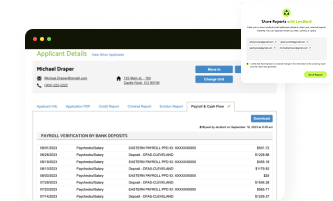
What a landlord can deduct from a security deposit is a question that often sparks confusion. Landlords may withhold funds for unpaid rent or fix broken windows and damaged appliances. They can also charge for deep cleaning when tenants leave behind stains or excessive dirt. Sometimes, unpaid utility bills or the removal of abandoned furniture come into play.
Yet, routine painting and normal wear-and-tear aren’t fair game, especially in states like California, where specific security deposit deduction laws apply. With LeaseRunner’s insights, landlords can confidently handle deposits while respecting tenant rights.
Purpose of a Security Deposit
The purpose of a security deposit is to provide landlords with financial protection against tenant-related costs. It is a refundable fund that covers specific damages or unpaid obligations at the end of the tenancy.
A security deposit is specifically held to cover:
- Property Damage: Costs to repair damage that goes beyond normal wear and tear.
- Unpaid Rent: Any rent or associated fees left unpaid when the tenant moves out.
- Cleaning Costs: Expenses necessary to restore the unit to the cleanliness level it had at move-in, excluding general wear.
- Unpaid Utilities: Utility bills that were the tenant's responsibility but were covered by the landlord.
- Lease Breaches: Financial losses incurred by the landlord due to the tenant breaking the lease terms.
Unlike rent, a security deposit covers these specific items but is not income for landlords. It is specifically designed to cover the costs associated with excessive tenant actions, including the necessary cleaning required to prepare the unit for the next tenant when the departing tenant fails to meet the cleanliness standards defined in the lease agreement.
Understanding the difference between a one-time charge, like a move-in fee versus a refundable security deposit is key to proper accounting and managing expectations.
Typically, security deposits for apartments or regular houses equal one or two months' rent, often regulated by state law. The deposit incentivizes tenants to fulfill lease terms responsibly. Landlords hold the deposit in trust and must return it minus authorized deductions after tenancy.
What Can a Landlord Deduct from a Security Deposit?

Landlords have the right to recover losses through security deposit deductions, but these rights are strictly defined. Understanding what a landlord can deduct from a security deposit helps ensure compliance and limits disputes.
1. Unpaid Rent
One primary charge landlords apply is for unpaid rent. When tenants fail to pay rent through eviction or early move-out, landlords can deduct the owed sum from the deposit. Keep in mind, tenants cannot use the security deposit as rent unless agreed. If tenants are consistently late with payments, the landlord must review state laws regarding a rent late fee before assessing penalties.
2. Damage Beyond Normal Wear and Tear
Landlords can charge for repairs exceeding normal wear and tear, damage caused by tenant misuse or neglect. Examples include holes in walls, broken fixtures, or stains on carpets. Landlords must not deduct for expected deterioration due to age or regular use.
3. Excessive Cleaning
Cleaning charges can be deducted if excessive dirt or filth remains. Basic cleaning is the landlord's responsibility, but damages like pet stains or garbage removal justify deductions. Always provide receipts and proof of necessity.
4. Unpaid Utilities
If tenants leave unpaid utility bills that landlords cover, those costs may come from the deposit. This requires explicit lease terms allowing landlords to hold a deposit for unpaid utilities to avoid surprises. To prevent disputes over who pays what, it's essential for both parties to understand the rental agreement's details on utilities, especially to clarify which are covered in the rent. Sometimes tenants assume certain costs are included in the monthly payment, so reviewing which utilities are included in rent can prevent end-of-lease issues.
5. Breach of Lease Terms
Damages from violating lease terms, such as unauthorized pets or early termination fees, can be deducted. However, landlords must attempt to mitigate losses by re-renting quickly.
6. Removal of Abandoned Property
Landlords can deduct costs for disposing of tenant belongings left behind after move-out. State laws often dictate storage, notification, and disposal procedures landlords must follow.
What a Landlord Can Not Deduct from a Security Deposit?
Landlords must follow strict rules about what a landlord can deduct from a security deposit. Certain charges are unlawful and lead to disputes. Here’s what landlords cannot deduct:
- Normal wear and tear: This includes paint that fades over time, carpet that wears from foot traffic, and minor wall scuffs. These are natural and expected. Landlords cannot charge tenants for these normal conditions.
- Routine maintenance and upgrades: Fixing old plumbing, replacing worn-out appliances, or updating fixtures are the landlord's responsibilities. Tenants should not pay for improvements unrelated to tenant damage.
- Repainting after long tenancy: Landlords are often not allowed to charge you for this fee. Yet, can a landlord charge you for painting after you move out in California? Typically, also no. Only if damages exceed normal fading—like large holes, smoke damage, or graffiti—can landlords deduct painting costs.
- Pre-existing damage: Landlords cannot charge new tenants for damage caused by previous renters or earlier conditions.
To comply with rules and avoid disputes, landlords should document thoroughly, provide tenants with clear statements, and never deduct for normal aging or maintenance.
Legal Requirements for Returning the Security Deposit
Returning the security deposit correctly is a major duty for every landlord. This money protects the owner of the rental property against loss. It covers any unpaid money or serious damage caused by the tenant.
Following the law helps a landlord avoid huge fines and prevents the need for a trip to small claims court. Landlords must manage the tenant's money and the deposit refund process carefully from the moment the lease agreement ends.
Written Notice of Deductions
The law requires landlords to give tenants a formal written statement if they plan to keep any part of the security deposit. This notice must be sent to the tenant at their forwarding address. This requirement ensures the tenant is told about the deductions right away. The written statement must be clear.
It must list the exact reason the money is being held. This simple action protects the landlord by documenting their claims. For instance, if the landlord is keeping money for unpaid rent from the final month, the notice must clearly state the amount of the rent owed.
Itemized Statement
The written statement must include a detailed itemized deductions list. This list is a breakdown of every single charge. It is not enough to simply say “repairs.” The landlord must provide invoices or receipts to back up the charges. Here are some clear examples of what must be shown on the itemized deductions list:
- Damage Repair: If the tenant caused a large hole in a wall, the statement should list: "Repair and paint wall damage in Bedroom 2 – $250.00
- Cleaning Costs: If the apartment was filthy, the statement might say: "Professional oven and deep kitchen cleaning – $150.00. " This applies only to cleaning beyond what a normal move-out cleaning would cover.
- Unpaid Bills: If utilities were included in the lease agreement, the charge would be: Unpaid rent and utilities for the last four days – $120.00.
This level of detail is needed to show the tenant that the deduction is fair and accurate.
Method of Notice
The way the notice and the remaining deposit refund are sent matters a lot. The landlord should mail the check and the itemized deductions list to the tenant's forwarding address. Using certified mail is highly recommended. Certified mail gives the landlord proof of mailing receipt.
This simple receipt proves that the landlord met the return deadline, even if the tenant claims they never got the mail. It is proof in small claims court. Landlords must always ask for a new forwarding address when the tenant gives notice to vacate the rental property.
Normal Wear and Tear
This is one of the biggest causes of disputes. Landlords cannot deduct the deposit amounts for normal wear and tear. This is the slight damage that happens from normal, everyday living in the rental property.
- Normal Wear and Tear: It includes small scuffs on the wall paint, faded curtains, worn carpet in high-traffic areas, or minor watermarks from cups on a counter. These things happen over time and are the landlord's cost of owning the property.
- Deductible Damage: This is damage caused by neglect or abuse. Examples include: broken windows, deep burns in the countertop, large holes in the drywall, or heavy pet stains that require new flooring. The landlord can only deduct for this excessive damage.
Understanding the difference protects both the landlord's and the tenant's money. The landlord must be certain the charges are for real damage, not just the aging of the rental property.
Return Deadlines by State
Understanding the rules for returning a security deposit is crucial. This helps both landlords and tenants avoid legal trouble. Following the return deadline is the most important part of closing a lease agreement.
When a tenant moves out of a rental property, the landlord must act fast. Knowing your state’s rules ensures a smooth deposit refund. Landlords must always provide a written statement if any money is withheld from the tenant's money. This detailed explanation helps prevent disputes that could lead to small claims court.
California
The landlord must return the security deposit within 21 calendar days in California of the tenant moving out. This is a strict return deadline. If any money is kept, the landlord must send a complete itemised deductions list. This list must include documentation. For instance, the landlord must provide photographic proof and invoices for any repairs or replacements.
This shows the tenant exactly why money was kept for damage beyond normal wear and tear. An example of excessive damage is a huge stain on the carpet that requires replacement, which is not normal wear and tear from simply walking.
The deposit may also cover unpaid rent. Landlords should use certified mail when sending the deposit refund to prove they met the 21-day rule. Failure to comply can result in the landlord paying statutory damages.
Texas
The deposit return deadline here is 30 days after the tenant moves out of the rental property. The landlord must provide a detailed written statement for any deduction. There are no statutory limits on the amount of the security deposit a landlord can charge.
If the tenant does not provide a forwarding address, the landlord is not required to send the written statement until the address is given. Deductions often include cleaning fees if the rental property is left excessively dirty.
For example, if heavy grease is left in the oven, the landlord can charge for professional cleaning costs. However, the cost must be reasonable and documented with an invoice. The landlord cannot deduct for minor scuffs that count as normal wear and tear.
New York
The time limit for the deposit refund is stricter, requiring the deposit to be returned within 14 days of the tenant vacating the rental property. This is one of the shortest return deadline periods. If the landlord held the funds in an escrow account as required by law, the deposit refund must also include any accrued interest payments.
This strict rule protects the tenant's rights immediately. Landlords must give the tenant a chance to do a final move-out inspection before moving out. The landlord must provide a written statement if any portion of the security deposit is kept for damage. For instance, if a window pane is cracked due to neglect, the landlord can deduct the cost of repair. However, this action must be documented on the itemized deductions list.
Tenant Rights and How to Dispute Deductions

Tenant rights and the process to dispute security deposit deductions are vital to ensure fair treatment after moving out. Tenants have the right to receive timely and clear itemized statements from landlords explaining any charges deducted from their deposit. Pre-move-out inspections can help tenants identify potential issues and fix them to avoid unnecessary deductions.
Tenant Rights
Tenants are entitled to:
- Receive a detailed list of deductions within the state-mandated deadline.
- Challenge unfair or undocumented charges.
- Use pre-move-out inspections to address damages or cleaning issues before leaving.
- Obtain copies of repair receipts or photos proving damage beyond normal wear.
How to Dispute Deductions (Step-by-Step)?
Here’s a simple guide for tenants who want to dispute deductions:
- Step 1: Review itemized deductions carefully. Compare charges with your lease terms and the condition of the property at move-out.
- Step 2: Gather evidence. Collect photos from move-in and move-out, communication with the landlord, and copies of payment or any communication records. Having proof of rent payment, such as a letter or bank statement, is crucial if a landlord attempts to deduct alleged unpaid amounts.
- Step 3: Contact your landlord in writing. Clearly explain which deductions you dispute and provide your evidence professionally.
- Step 4: Negotiate or seek mediation. Use free or low-cost mediation services to resolve conflicts before legal action.
- Step 5: File a claim in small claims court if needed. This is usually the last step if disputes cannot be settled amicably.
To assist with communication, tenants can use LeaseRunner’s security deposit return letter template. This professional letter helps clearly state concerns while referencing relevant tenant rights for a stronger impact.
Best Practices for Landlords to Avoid Deposit Disputes
Properly handling security deposit deductions reduces misunderstandings and legal issues. Follow these steps:
- Communicate clearly: Explain to tenants upfront what a landlord can keep a security deposit for, such as unpaid rent, damages beyond normal wear and tear, unpaid utilities, and excessive cleaning. Put these details in the lease to set clear expectations.
- Document thoroughly: Always perform a detailed inspection before tenants move in. Use a move-in checklist for the apartment and take dated photos of all rooms, appliances, and fixtures. Repeat the process after tenants move out. This helps prove any damage or cleanliness issues.
- Hold deposits separately: Keep security deposits in dedicated accounts. This protects funds and shows professionalism. It is often a legal requirement.
- Offer pre-move-out inspections: Walk through the property with tenants before their lease ends. This gives them a chance to fix issues and avoid unnecessary deductions.
- Return deposits promptly: Follow your state's timeline, like California's 21-day rule. Send an itemized list of all security deposit deductions. Include receipts and photos when possible. For example, if you repair a broken window ($150) or hire a cleaner for pet stains ($100), document and share this.
- Avoid deducting normal wear: Do not charge for faded paint or carpet wear from regular use. Only deduct for damage caused by tenants or unpaid bills per the lease.
- Use LeaseRunner tools: Leverage templates and letter samples to communicate professionally and meet legal requirements for returning the security deposit. Clear letters reduce disputes and build good landlord-tenant relationships.
By following these careful steps, landlords protect their investments while respecting tenant rights. This approach clarifies what a landlord can deduct from a security deposit and prevents costly conflicts.
Conclusion
Knowing exactly what a landlord can deduct from a security deposit protects both landlords and tenants. Charges for unpaid rent, damages beyond normal wear and tear, excessive cleaning, and unpaid utilities are valid deductions.
Yet, landlords cannot claim repainting costs due to gradual paint fading or routine upkeep unless damage surpasses normal wear, as clarified by the repair and deduct rules in California. By following clear guidelines and providing detailed, timely explanations, landlords can avoid disputes. LeaseRunner offers trusted tools to make this process smooth, fair, and compliant.
FAQs
Can a landlord deduct for repainting?
Landlords cannot deduct paint costs for usual fading or aging. For example, walls that lose color from sunlight or minor scuffs do not count. But if tenants leave large stains, holes, or graffiti, deductions are allowed. This especially applies in California, where specific rules govern what a landlord can deduct from a security deposit. Always use photos from move-in and move-out to show paint condition.
How much can be deducted for cleaning?
Only cleaning beyond normal cleaning counts. Vacuuming or light dusting is the landlord’s job. But if the tenant leaves pet stains or heavy dirt, landlords can charge for professional cleaning. Receipts help prove the cost. The lease should note cleaning duties clearly. This relates to what a security deposit can be used for; excessive cleaning is covered, but normal cleaning is not.
What if the tenant damages appliances?
Repairs for damage over normal wear are deductible. A broken fridge shelf or a misused dishwasher are examples. The landlord should consider appliance age. Replacing a very old appliance may not be fair, but repairs usually are. Keep all receipts and repair invoices.
Can the tenant sue for deposit deductions?
Yes. If deductions are unfair or lack proof, tenants can sue. Tenants can get back their deposit plus penalties. Landlords must follow all legal requirements for returning the security deposit and provide itemized lists.
What happens if the landlord doesn’t return the deposit on time?
Missing the deadline can cause landlords to lose deduction rights. They may face fines or pay multiple times the deposit. Returning deposits quickly avoids trouble and builds trust.
Can a landlord keep a security deposit?
A landlord can keep the deposit only for reasons like unpaid rent, damages beyond normal wear and tear, unpaid utilities, or excessive cleaning. They cannot keep it as a punishment or for routine maintenance.
What does a security deposit cover?
It covers unpaid rent, tenant-caused damage, extra cleaning, unpaid utilities, lease breaches, and removing abandoned items. It does not cover normal wear and tear or home improvements.
What can a landlord deduct from a security deposit in California?
California allows deductions for unpaid rent, damages beyond normal wear, and needed cleaning. Recent laws require photos before deductions and disallow repainting charges unless tenant damage exists. Deposits must be returned within 21 days with a detailed list.
Can a landlord charge you for painting after you move out in California?
Normally, no. Faded paint from time or minor marks are normal wear. Deductions apply only if paint damage is excessive, like large holes or unauthorized colors. Evidence is necessary under California’s updated rules.
Disclaimer: The information provided in this post is intended for general informational and educational purposes only. It should not be construed as legal, accounting, or tax advice. For guidance specific to your situation, we recommend consulting with a qualified professional in the relevant field before taking any action based on the content provided.