![Can a Landlord Stop an Eviction? Comprehensive Guide [Update]](https://www.leaserunner.com/storage/442/01KEF27R27YC4D4GV44TKW9S8C.webp)
Deciding to evict a tenant is never a choice we make lightly, but can a landlord stop an eviction once the process is underway? The answer is almost always yes, though the method depends entirely on how far the legal process has progressed. As landlords, we often face situations where a tenant suddenly finds the funds to pay past-due rent, or perhaps we discover a procedural error in our own paperwork that necessitates a restart.
At LeaseRunner, we understand that eviction is a tool of last resort. It is costly, stressful, and time-consuming. Sometimes, the best business decision is not to push through to the bitter end but to halt the proceedings to save time and money. Whether a landlord has just served a notice or is standing on the courthouse steps, understanding their ability to take action is crucial for effective property management. In this guide, we will explore exactly how and when they can stop this train.
Can a Landlord Legally Stop an Eviction?
Yes, a landlord can legally stop an eviction in most scenarios. The power to halt the process generally lies with us, the plaintiff. To define it, stopping an eviction is the voluntary withdrawal of our legal demand for possession. This component is typically executed by filing a formal Request for Dismissal with the court or cancelling the initial notice.
A key variation is dismissing "without prejudice," which allows us to refile later if the problem returns, versus "with prejudice," which is final. For example, if a tenant pays their overdue rent in full before the hearing, we often choose to drop the suit. Ultimately, this means the legal threat is removed, and the tenancy is restored.
When Can a Landlord Stop an Eviction?
A landlord can stop an eviction at virtually any moment before the sheriff physically executes the final lockout. However, the eviction timeline moves through distinct stages, and we must identify which stage we are in to determine the correct "stop" mechanism. Generally, the earlier you act, the easier and cheaper it is to reverse course.
We break this down into three critical phases: before filing, after filing but before the hearing, and after a judgment is rendered.
Before Filing the Eviction Case
This is the simplest phase. At this stage, the eviction is merely a threat or a notice, not a lawsuit. You have likely served a notice (typically a 3-Day Notice to Pay or Quit, or a 30-Day or 60-Day Notice to Terminate Tenancy), depending on your specific state laws and the duration of the lease.
Can a notice to vacate be withdrawn at this stage? Yes, it can. If the tenant cures the violation, for example, by paying the overdue rent in full, or if you simply change your mind, you can notify the tenant that the notice is rescinded. There are no court fees to pay and no forms to file with a clerk.
For instance, you might have served a past-due rent notice, hoping to scare the tenant into paying the rent. If they pay, the notice is effectively satisfied. However, you must be clear. We recommend sending a written confirmation that the prior notice is withdrawn to prevent confusion.
This is also the ideal window for formal negotiation. Instead of moving to court, the landlord and tenant can renegotiate lease terms, such as adjusting rent due dates or agreeing to a specific repayment schedule to settle arrears. This is also the time to ensure you aren't violating any specific local laws, such as California's just cause eviction statutes, which may have strict rules regarding the re-issuance of notices.
After Filing but Before Court Hearing
Once the complaint is filed with the court, the clock starts ticking on the time it takes to complete the eviction process. In terms of timing, a landlord can generally file a request for dismissal at any point immediately after filing the lawsuit, right up until the moment the trial begins. However, landlords are still in the driver's seat.
Crucially, this is often the stage where Emergency Rental Assistance (ERA) programs come into play. If a tenant applies for and secures financial aid to cover their debt, many jurisdictions require the landlord to pause or completely stop the eviction process to accept these funds.
Can a landlord stop an eviction once it has been filed? Yes. To do this, a landlord generally needs to file a "Request for Dismissal" with the court clerk. If the tenant has not yet filed an answer, this is usually automatic.
However, if the tenant has already filed a formal "Answer" or response to the lawsuit, the process becomes more complex. You cannot withdraw unilaterally; instead, you must submit a "Stipulation for Dismissal" that is signed by both parties. The judge will then review this agreement to ensure it is fair before signing the official order to close the case.
This is a common scenario when a settlement is reached. Perhaps the tenant agrees to a payment plan. In this case, we often file a dismissal "without prejudice." This safeguards us; if the tenant fails to pay as promised, we can refile the eviction. This stage addresses the question of how to halt an eviction process that has legally commenced: the landlord must formally request that the court dismiss it.
After the Court Issues a Judgment
This is the most difficult stage. The court has already decided that landlords have the right to possession. Can a landlord stop an eviction after winning a court case? Surprisingly, yes. Even if the landlord has a judgment, they are not required to execute it. In many legal systems, tenants also possess a "Right of Redemption." This allows them to "pay to stay" by settling the full judgment amount plus court costs even after losing the case, effectively stopping the eviction before the Writ is executed.
You can choose not to bring the Writ of Possession to the sheriff. However, if the landlord wants to formally vacate the judgment, perhaps to clear the tenant's record, they must file a motion to set aside or vacate the judgment. This requires a specific legal reason or a joint stipulation (agreement) between them and the tenant. This raises the question: Can a landlord cancel an eviction after a court order has been issued? You can, but it often involves asking the court to reverse its own decision, which may require a hearing.
Reasons Landlords Choose to Stop an Eviction
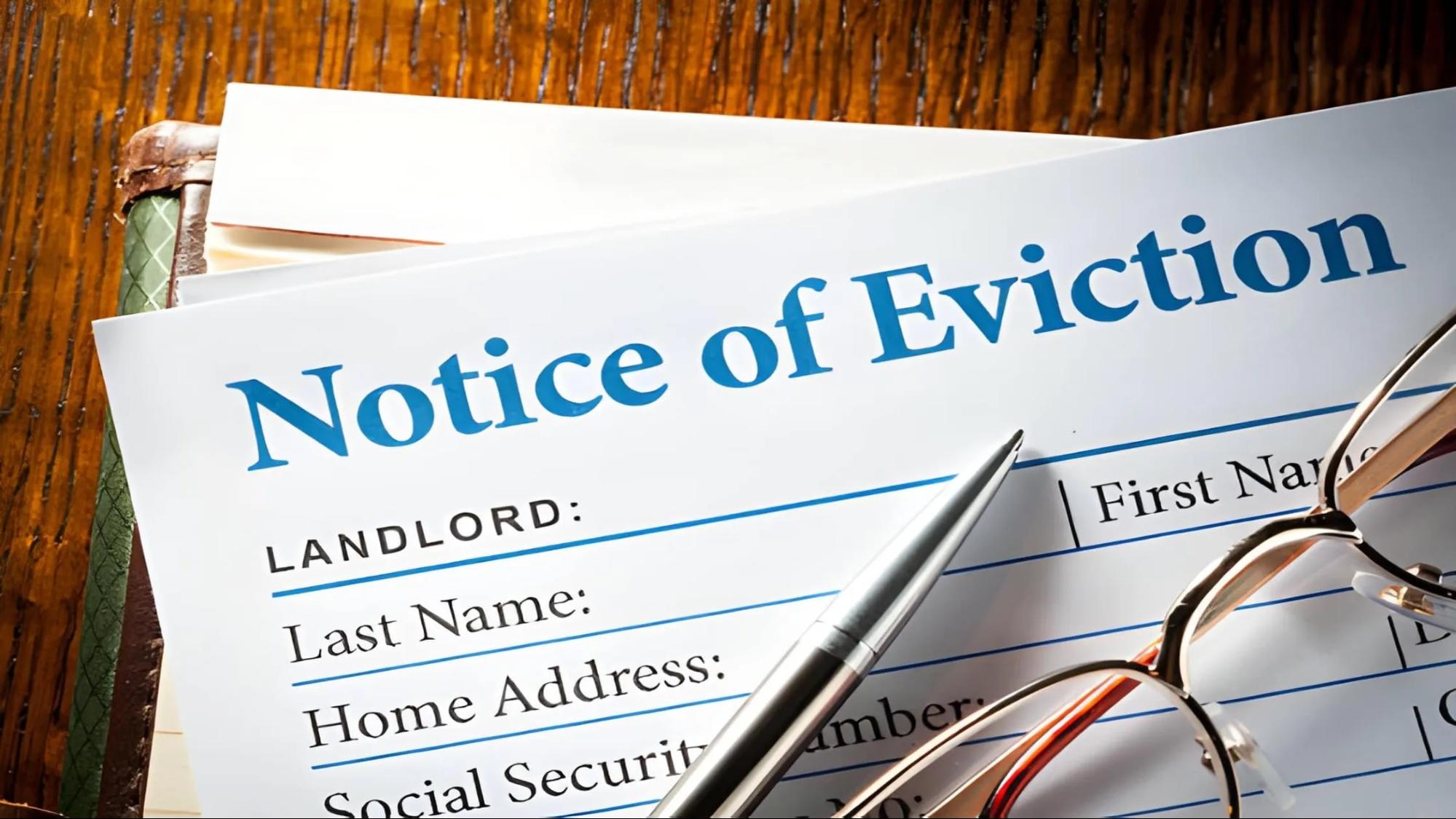
Why would we go through the trouble of starting a case only to stop it? Can a landlord stop an eviction simply because they feel bad? Yes, but usually, the reasons are grounded in business logic, the eviction process and local laws.
Financial and Practical Reasons
Evictions are expensive. Between court costs, attorney fees, and lost rent during a vacancy, the price tag adds up.
- Payment Received: The most common reason is that the tenant pays what they owe. If the tenant presents cash for the full balance, continuing the eviction might seem vindictive rather than practical.
- Cost vs. Benefit: Sometimes, we realise that the tenant has no assets. Even if we win a monetary judgment, we will likely never be able to collect it. Stopping the eviction in exchange for a voluntary move-out (Cash for Keys) can be cheaper than paying the sheriff.
- Tenant Retention: Finding good tenants is a challenging task. If a usually reliable tenant hits a rough patch, perhaps leading them to ask about the hardship stay of eviction, working with them might be better than gambling on a new, unknown tenant. We always recommend running a thorough eviction check on new applicants, but retaining a known entity is often safer.
Legal and Procedural Reasons
Sometimes we stop an eviction because we messed up the paperwork.
- Defective Notices: If the landlord realises they calculated the notice period incorrectly, perhaps due to misinterpreting what a notice period entails, they will likely lose in court. Can a landlord's notice to vacate be reversed? Yes, and if it was defective, it must be. It is better to withdraw a bad notice and start over than to lose in front of a judge.
- Procedural Errors: Did the landlord accept partial rent after serving the notice? In many states, that renders the eviction void. What can void a three-day notice includes accepting even a dollar of rent. If this happens, the landlord has to stop the current case.
- Lease Ambiguities: If landlords are trying to evict for a non-rent violation, they might realise their lease is vague. It’s crucial to know how many lease violations are required before eviction under their specific contract. If landlords are on shaky ground, withdrawing is the strategic move.
How to Stop an Eviction: Steps for Landlords
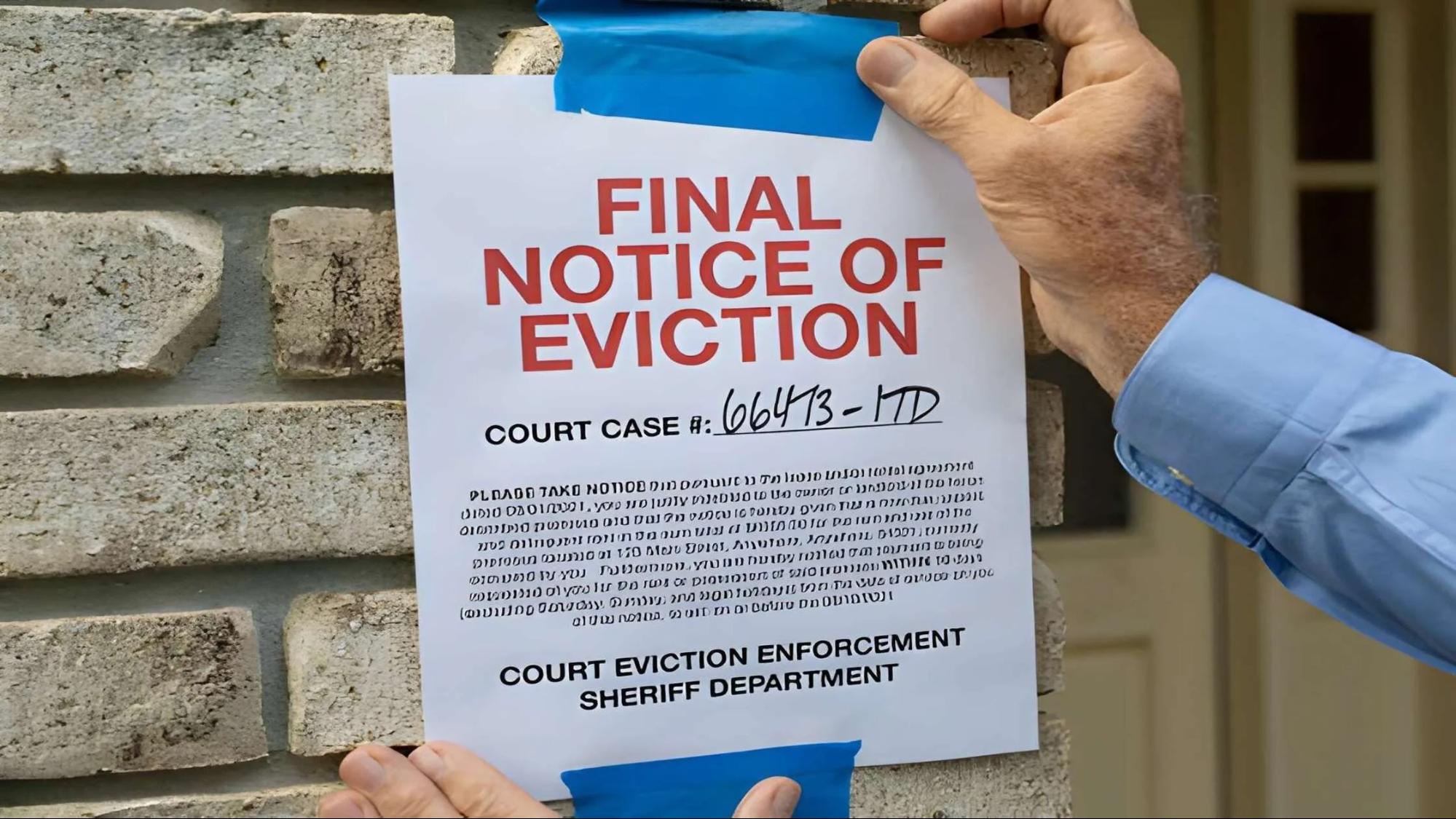
If the landlord has decided that halting the process is the right move, they need a plan in place. Can a landlord stop an eviction by just doing nothing? Sometimes, but that is risky. Active steps are better. Here is a guide on how to properly stop an eviction process.
Review the lease and state law requirements
Before making a move, check local statutes. Some jurisdictions have specific forms for dismissal. Others might require the landlord to notify the tenant in a specific way. For example, if landlords are operating in a state where they can evict a tenant without a lease, the rules for stopping the process may be more informal; yet, written records are still essential.
Communicate with the tenant in writing
Clear communication prevents future disputes. If the landlord is withdrawing a notice, send a letter or email stating clearly: "The notice to vacate dated [Date] is hereby withdrawn." This addresses the tenant's concern about whether a notice to vacate can be withdrawn. It provides them with security and the landlord with a paper trail.
Draft a settlement or payment agreement (if needed)
If landlords are halting the eviction because the tenant is paying, obtain written confirmation. This is vital. The agreement should state:
- The amount to be paid.
- The schedule of payments.
- That the eviction will be dismissed only upon receipt of full payment (or whatever terms the landlord agrees to).
- Whether the dismissal is with or without prejudice.
File a dismissal or withdrawal with the court
If a lawsuit exists, the landlord must file paperwork. You cannot just "call it off." You need to file a "Request for Dismissal" with the court clerk. This is the definitive action that allows a landlord to remove an eviction case from the active docket. Be prepared to pay a small filing fee in some counties, though dismissal is usually free.
Notify the sheriff’s office (if applicable)
If the landlord has already won a judgment and scheduled a lockout, they must contact the sheriff immediately. Can a landlord stop an eviction at the sheriff's stage? Yes, but they have to be fast. Sheriffs are busy; if they don't cancel the appointment, they will show up and lock the tenant out. You usually need to provide a written instruction to the sheriff to cancel the writ of execution.
Document all communication for future protection
Keep copies of the withdrawal notice, the dismissal form stamped by the court, and any emails. If the tenant later claims the landlord harassed them with a fake eviction, these documents prove the landlord followed legal procedures to stop the case.
When a Landlord Cannot Stop an Eviction?
Once the legal machinery is fully in motion, a landlord loses the unilateral power to simply "call off" the process. At certain advanced stages, the eviction transitions from a private dispute to a matter of court record, requiring judicial approval, rather than just a landlord's request, to reverse. Let’s scroll down and see some occasions below!
After a Judgment for Possession is Entered
Technically, landlords can still stop the enforcement (the lockout), but the judgment itself is a court order. It exists on the public record. Can a landlord cancel an eviction after a court order has been completely issued? Not easily. The landlord can stop the sheriff, but the judgment remains on the tenant’s credit report unless they file a motion to vacate the judgment, which the judge must approve. Some judges are hesitant to wipe public records just because the landlord changed their mind.
After a Writ of Possession/Execution is Issued
Once the Writ of Possession is in the hands of the sheriff, the machinery of the state is moving. Can a landlord stop an eviction now? Yes, but they are racing against time. If the sheriff has already posted a 24-hour lockout notice, landlords must contact the sheriff's civil division immediately, either in person or by phone. If the landlord waits too long, the lockout happens, and possession legally reverts to them. At that point, letting the tenant back in constitutes a new tenancy.
When Law Enforcement is Involved
If the sheriff is at the door executing the writ, it is often too late to stop the physical act unless landlords are present to call it off. Furthermore, in some rare cases involving illegal activity (such as drug manufacturing), state authorities may pursue the removal of a tenant even if the landlord wishes to stop it (e.g., civil asset forfeiture or nuisance abatement laws), effectively taking the decision out of their hands.
What Happens After a Landlord Stops an Eviction?
So, you asked, "Can a landlord stop an eviction?" and you went ahead and did it. What will happen next? The aftermath varies significantly for both parties, shifting the dynamic from adversarial to one of probation.
For the Tenant
For the tenant, the immediate threat of homelessness is removed, but the long-term consequences depend heavily on how the case was resolved.
- Relief: The primary outcome is that they get to stay in their home, thereby avoiding the trauma of displacement.
- Probation: They are often on thin ice. If the stop was due to a payment plan, they are under strict scrutiny to meet every deadline.
- Record Concerns: The tenant will likely worry about how to prevent an eviction from being reported on their record. If the case has already been filed, it may be listed in public indexes. If the landlord dismisses it, it will be listed as a dismissed case, better than a judgment, but still visible in some background checks. The tenant may need to petition the court to have the record sealed, preventing future housing barriers.
For the Landlord
For us, stopping the process is not the end of the work; it requires a strategic shift to ensure the decision doesn't backfire.
- Relationship Management: We have to rebuild the professional relationship. We showed mercy or corrected an error; we should use that leverage to foster goodwill and better communication moving forward.
- Monitoring: We must diligently ensure the tenant complies with any new agreements, such as a "pay and stay" stipulation.
- Paperwork: We must ensure the court case is fully closed to avoid incurring penalties for case management delays or ongoing fees.
- Future Risks: If we dismissed "with prejudice," we cannot evict for that specific past rent again. We must be careful about which type of dismissal we choose to protect our future rights.
Conclusion
Navigating the eviction process is complex, but the answer to the main question, "Can a landlord stop an eviction?" remains a reassuring yes. Whether it is withdrawing a notice before filing, dismissing a case for a settlement, or calling off the sheriff at the eleventh hour, landlords retain significant control over the proceedings.
At LeaseRunner, we believe that eviction should be a measure of last resort. Understanding whether a landlord can stop an eviction allows the landlord to use the process strategically, applying pressure when needed but retaining the flexibility to resolve issues amicably. Remember to always document your actions and follow local laws to prevent procedural errors from affecting you in the future. By keeping these insights in mind, landlords can manage their properties with confidence and fairness.
FAQ
1. Can a landlord stop an eviction once it has started?
Yes. A landlord can stop an eviction at almost any stage before the physical lockout occurs. The method depends on whether the case is merely a notice, a filed lawsuit, or a final judgment.
2. Can a landlord stop an eviction after filing the case?
Yes. You can file a Request for Dismissal with the court, and doing so voluntarily is the standard way to end a lawsuit when a settlement (like paying rent) is reached.
3. Can a landlord stop an eviction after the court issues a judgment?
Yes. Even with a judgment, the landlord retains control over the final step (the lockout). Can a landlord cancel an eviction after a court order has been issued about the lockout? Yes, by instructing the sheriff not to execute the writ. Yet, removing the judgment itself from the records requires a motion to vacate.
4. Can a landlord stop an eviction after the sheriff has been scheduled?
Yes. You must contact the sheriff's office immediately. Can a landlord stop an eviction this late? Yes, but they must act before the officers arrive at the property. Once the lockout is complete, the eviction is finalized.
5. Why would a landlord want to stop an eviction?
Landlords often stop evictions to save money on legal fees, because the tenant has paid the overdue rent, or because they discovered a mistake in their legal notices. Sometimes, a tenant may qualify for a hardship stay of eviction, and the landlord agrees to pause the process to work out a solution.
6. Do landlords get a refund for court fees if they stop the eviction?
No. Generally, court filing fees are non-refundable. Once landlord pay to file the complaint, that money is used by the court system to process the paperwork. Can a landlord stop an eviction and recover the money they paid? You save on future costs (such as attorney fees or sheriff fees), but sunk costs are typically gone.
Disclaimer: The information provided in this post is intended for general informational and educational purposes only. It should not be construed as legal, accounting, or tax advice. For guidance specific to your situation, we recommend consulting with a qualified professional in the relevant field before taking any action based on the content provided.