An eviction can stay on your tenant screening report for up to seven years. That is the same lookback period the Consumer Financial Protection Bureau (CFPB) applies to eviction court cases. The underlying court record can last far longer, sometimes indefinitely, depending on your state.
This guide covers how long an eviction stays visible, how it affects your credit, which states let you seal or expunge it, and how to rent again.
What Exactly Is an Eviction Record?
An eviction record is the court paperwork showing a landlord filed to remove a tenant. It's not proof that the tenant did something wrong. The record starts the moment the case is filed, so it can exist even if the tenant wins in court or a judge dismisses the case.
Filings usually cite unpaid rent, lease violations, or other reasons allowed under state law. Because these records sit in public court databases and tenant screening reports, they can follow a renter for years and make it harder to rent again.
Where does an eviction show up?
An eviction may appear in:
- Public Court Records: Court databases often show filing dates, case numbers, hearing notes, and judgments. In many states, the record appears as soon as the case is filed, even if the tenant ultimately wins.
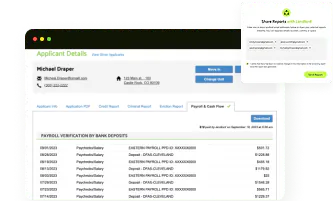
- Tenant Screening Reports: Tenant screening services pull data from public court records nationwide and compile it into a rental history report that landlords review during the application process. If you want to know what actually shows up on one of these reports, this guide to passing an apartment background check breaks it down.
- Credit reports. Credit bureaus do not report eviction filings, judgments, or dismissals. Unpaid rent sent to collections is a different story. That debt can land on a credit report as a collection account, which is why many renters assume the eviction itself hurt their credit when it was really the unpaid rent behind it.
- Landlord Reference Checks: Prospective landlords often call a tenant's previous landlord directly to ask about the tenancy, including any prior evictions. Knowing how to check eviction history helps landlords verify what they're told rather than take the applicant's word for it.
Are evictions public record?
In most states, eviction cases stay public. California, Connecticut, Colorado, Nevada, and Arizona automatically restrict access, either while the case is still open or as soon as it ends in the tenant's favor. Oregon and Minnesota work differently. Both require the tenant to file a petition after the case closes, and a judge decides whether to grant relief.

How Long Does an Eviction Stay on Your Record?
An eviction can stay on your tenant screening report for up to seven years. The underlying court case is different. It can stay in the public court system much longer, sometimes indefinitely, unless the state allows sealing or expungement.
The seven-year window comes from the Fair Credit Reporting Act (FCRA). This federal law limits how long tenant screening companies and other consumer reporting agencies can show negative information. It does not erase the court case itself. That record lives in the state court system, and its lifespan depends on the state, not federal law.
Here is how each record type actually behaves:
- Court records: Stay in the public system indefinitely in most states, unless a court seals or expunges the case.
- Tenant screening reports: Show up to seven years under FCRA rules.
- Credit reports: Don't list the eviction itself. Only unpaid rent sent to collections shows up, and that debt falls off after seven years.
Renters often ask a few versions of the same question.
- Do evictions go on your record, and how fast? Most states log the filing right away, sometimes before the first hearing even happens.
- Do evictions go away, or stay forever? Not automatically. They typically drop off screening reports after seven years, but the court case can remain on file well past that unless sealing or expungement applies.
Because these timelines shape housing access, many renters look into whether their records can be sealed, dismissed, or disputed. Instructions for challenging inaccurate information appear in the “how to dispute an eviction" section of a tenant screening report.
Eviction Record Sealing and Expungement Rules by State
Sealing and expungement rules vary by state. Some states automatically seal an eviction case, with no action needed from the tenant. Most states require a petition in which the tenant asks a judge for relief and waits for a ruling. A few states, like Texas, offer no relief at all, and the case stays public indefinitely.
The table below covers eight states with clear, verified rules.
Rules can also shift by county, and new state laws are passed every year. For a closer look at how the petition process actually works in each state, see the Which States Allow Eviction Expungement? section of our full removal guide.

Can You Remove an Eviction From Your Record?
Yes, but only in some states, and only if you meet certain conditions. Removal is not automatic in most places, and a judge often has to approve it after you show the case was dismissed, that you won at trial, or that you paid off the judgment.
What “removal" actually means depends on the state and the situation. Sealing keeps the record in the court system but hides it from public view and tenant screening reports. Expungement goes further, treating the case as if it never happened. If a judgment was entered without proper notice or due to a legal error, some courts will vacate it, wiping out the ruling itself. A few states, like Texas, offer none of these options, and the case stays public indefinitely.
Waiting periods vary widely, too. Some states start the clock the day the case is dismissed. Others make you wait years after the judgment is paid off. If your state offers no removal option at all, your best options are to wait for the case to age off your screening report after seven years or to dispute it if the information is wrong.
Does an Eviction Affect Your Credit?
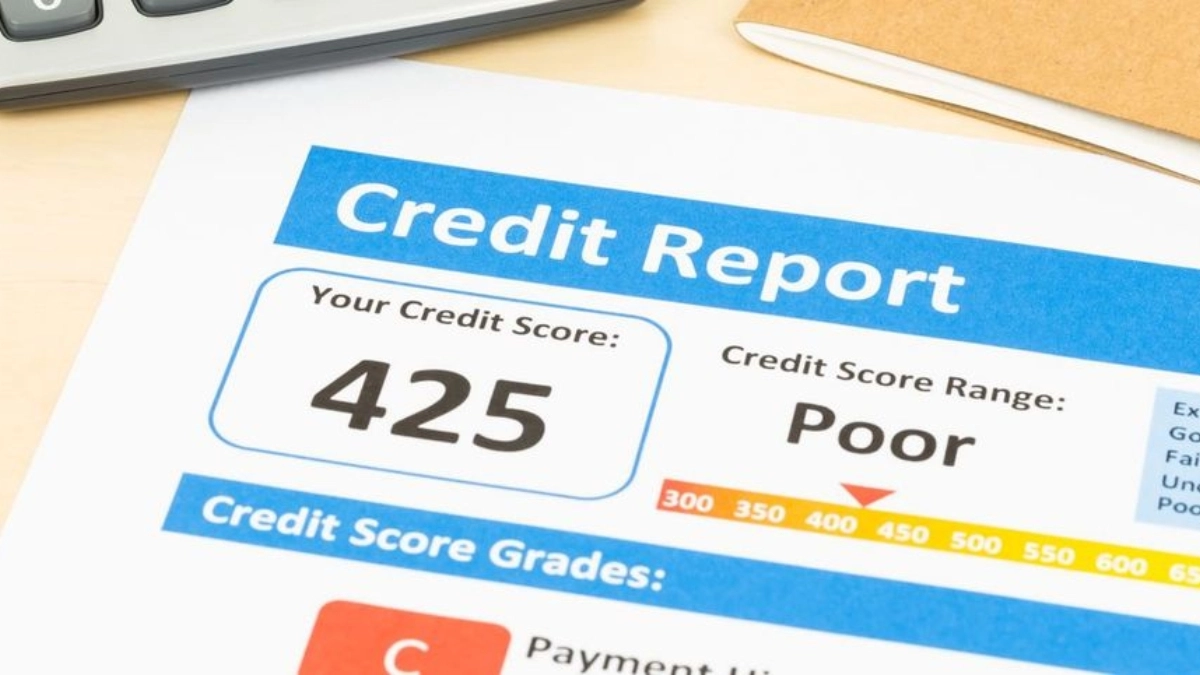
An eviction case itself does not lower your credit score. The unpaid debt behind it, once sent to collections, may instead lower your score.
The key fact to remember is that an eviction may affect your credit through the debt-collection process.
- Unpaid Rent and Damages: An eviction is often, but not always, tied to unpaid rent or property damage that exceeds the security deposit. A landlord has a right to recoup these losses.
- Collection Agency: If the landlord cannot collect the funds directly, they will frequently sell the debt to a third-party collection agency.
- Credit Report Impact: The collection agency then reports the delinquent debt to the major credit bureaus. This collection account will stay on the credit report for seven years from the date of the first missed payment that led to the collection, as governed by the FCRA.
It is possible to have an eviction on the tenant screening report but not on the credit report, particularly if all outstanding balances were paid or if the landlord never referred the matter to collections.
An eviction may show up on your tenant screening report without ever touching your credit report. In other cases, it may result in both a rental history flag and a collection account on your credit report.
How to Rent With an Eviction on Your Record
A past eviction is a significant hurdle, but it is not a permanent barrier to finding a new home. For the full walkthrough, see how to rent with an eviction on your record. Here are the five steps that matter most.
- Clean up the record. Pull your public court record, tenant screening report, and credit report, and dispute anything wrong, especially a dismissed case, a case you won, misreported details, or a record that belongs to someone else with a similar name.
- Strengthen the application. A guarantor or co-signer, a clear rental résumé, and especially proof of income all help offset the impact of a past eviction. A higher security deposit can help, too, where state and city rules allow it.
- Target the right landlords. Private landlords tend to review applications personally instead of letting software auto-reject them, and landlords who have worked with tenants recovering from job loss, illness, or domestic violence are often more understanding.
- Use references and documentation. Strong references from past landlords, employers, or community leaders help rebuild trust. Questions to ask tenant references can guide who to contact, and proof of rent payment history, bank statements, or a signed repayment agreement can back it up.
- Get help if needed. Legal aid clinics, local housing authorities, and nonprofit eviction-prevention programs can help with sealing motions, mediation, or application preparation. If you're applying for Section 8, landlords can review guidance on screening Section 8 tenants to know what to expect.
Before you apply anywhere, review common rental application questions and questions to ask before signing a lease, so you walk in prepared.
How to Remove an Eviction From Your Record?
The process depends on your state and the type of relief you qualify for, but it generally moves through three steps.
Step 1: File for Court Relief
Submit your petition, whether for sealing, expungement, or vacating a judgment, to the court that handled your eviction case. Some states process this on paperwork alone, while others hold a hearing if the landlord objects. Check your state's required forms and waiting period before you file, since missing a condition, like an unpaid judgment, can get your petition denied.
Step 2: Update Your Screening and Credit Files
Once the court record changes, follow up with the companies still reporting the old information.
- Submit disputes to tenant screening companies
- Provide supporting documents, like your court order or proof of payment
- Dispute related credit accounts if they're inaccurate
Credit-related issues are subject to federal timelines under the FCRA. Collection accounts usually fall off after seven years unless they were reported incorrectly.
Step 3: Strengthen Future Applications
Even when a record cannot be removed, a few habits help going forward.
- Keep payments on time
- Stay in communication with future landlords
- Avoid disputes over lease terms
- Know your rights, including what questions you cannot ask a potential tenant.

Tips for Landlords Evaluating Tenants With Evictions
Look past the entry itself and weigh the full picture before making a decision.
- Get the applicant's consent before running a screening report, and send an adverse action notice if you decide to deny them based on your findings, as required under FCRA rules.
- Check the outcome of the case, not just the filing, because some states still show an eviction on record even after the tenant won or the case was dismissed.
- Weigh the reason behind the eviction, since nonpayment during a layoff reads very differently than property damage or a safety issue.
- Weigh the timing of the eviction, since a clean payment history built up over the years matters more than the eviction itself.
- Look at income stability, current debt, references, and the rent-to-income ratio alongside the eviction, rather than relying on it alone.
- Avoid blanket bans on anyone with a past eviction. The Fair Housing Act's ban on unjustified discriminatory effects continues to apply in court, so a strict blanket policy carries significant legal risk. Rather than applying automatic denials, landlords should evaluate applicants on a case-by-case basis. Current fair housing guidelines and resources are available through HUD's Office of Fair Housing and Equal Opportunity.
- Keep your evaluation process documented and consistent across every applicant you screen.
To run this kind of accurate, compliant screening, check an eviction history through LeaseRunner.
Conclusion
Having an eviction on your record makes renting harder, but it does not shut every door. Correcting inaccurate information, building a strong application, and applying to the right landlords help many renters find housing again. Resources such as income verification, rental references, and a clear payment history go a long way toward rebuilding trust.
If you are a landlord or renter looking for reliable tools to navigate tenant screening, applications, and rental decisions, LeaseRunner offers online tenant screening, background checks, and educational guides to make the process easier and more transparent for everyone.
FAQs
Do Evictions Stay Permanently on Your Record?
Not on Consumer Reports. Tenant screening companies typically remove evictions after seven years. However, some court systems may retain filings permanently unless state laws allow sealing or expungement.
Does Every State Handle Evictions Differently?
Yes. States vary widely in eviction timelines, sealing rules, and notice requirements. For example:
- California often seals cases early if tenants win within 60 days.
- Minnesota allows certain tenants to petition for expungement.
- Colorado uses suppression, not sealing. Every eviction filing is suppressed automatically the moment it's filed, and it only becomes public if the landlord wins possession. A 2026 bill that would have further expanded suppression, so that records stayed hidden even after judgment, died in committee.
More details on notice timelines appear in the section on how long an eviction takes.
How Bad Is It to Have an Eviction on Your Record?
The impact depends on the case details. Some landlords overlook filings tied to temporary hardships. Others prioritize applicants with clean histories due to risk considerations. A clear record of timely payments after the eviction reduces negative impressions.
How Long Does Bad Rental History Last?
Most rental history, including late payments and negative entries, remains on screening reports for up to 7 years. Some private databases may retain information longer, but federal reporting rules generally limit visibility.
Disclaimer: The information provided in this post is intended for general informational and educational purposes only. It should not be construed as legal, accounting, or tax advice. For guidance specific to your situation, we recommend consulting with a qualified professional in the relevant field before taking any action based on the content provided.