Renters often use storage units to keep extra belongings safe, but an important question arises: does renters insurance cover storage units?
The short answer is yes, but only to a certain extent. Most renters insurance policies extend coverage to items kept off-site, such as in self-storage facilities. However, coverage limits, exclusions, and state-specific rules can affect how much protection actually applies.
For landlords and property managers, understanding what renters insurance covers in storage units helps reduce liability, protect tenants’ property, and avoid disputes when losses occur.
Does Renters Insurance Cover Storage Units?
In most cases, renters insurance does cover storage units, but coverage limits apply. Major providers like State Farm, Allstate, and Assurant typically extend personal property protection to off-site locations such as public or self-storage facilities. However, this protection is usually capped at 10% of the policy’s total personal property coverage.
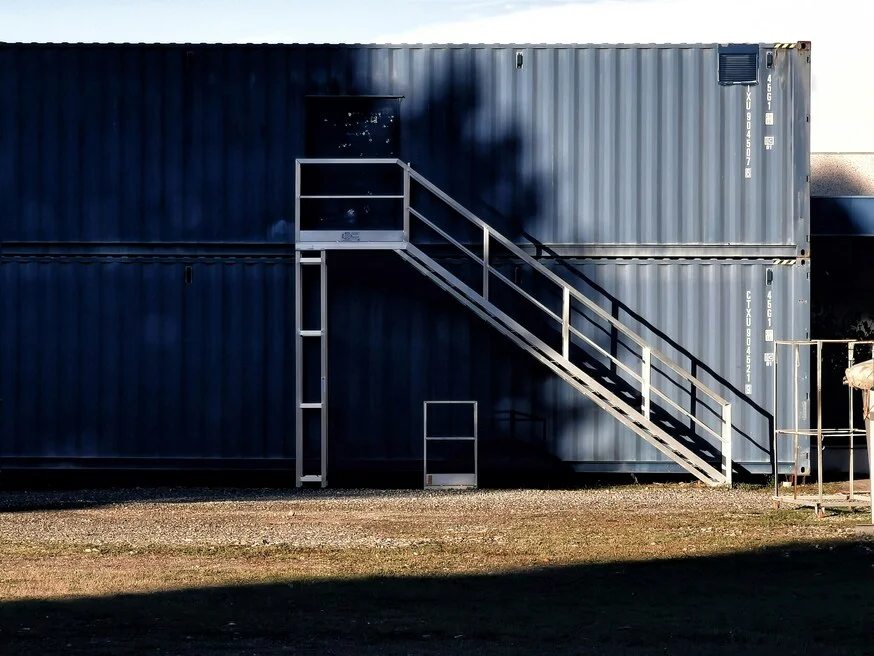
For example, a tenant with a $50,000 personal property policy would have only $5,000 of coverage for items stored in a storage unit. This limit exists because off-site belongings face greater risks, such as theft or environmental damage, which are harder to control.
Still, limited coverage is better than none — especially when combined with public storage insurance required by some facilities. Storage companies like Public Storage and CubeSmart often mandate proof of renters insurance or offer their own insurance options.
For a deeper breakdown of what standard renters insurance includes, check LeaseRunner’s guide on what does renters insurance cover.
What Renters Insurance Typically Covers

Before exploring storage-specific coverage, landlords should understand the broader scope of renters insurance. Policies generally include four key protections:
Personal Property Coverage
This protection applies to belongings such as furniture, electronics, or clothing damaged or stolen due to covered perils like fire, theft, vandalism, or smoke.
If a tenant’s storage unit is broken into and their insured property is stolen, they can typically claim reimbursement up to their off-premises coverage limit.
This is particularly relevant in multi-unit rental properties, where tenants frequently use nearby self-storage renters insurance for overflow items.
Landlords can encourage tenants to review policy details and ensure valuables stored off-site are properly listed or endorsed in the insurance plan. For a detailed breakdown of what types of property damage are covered and excluded under standard policies, see does renters insurance cover property damage.
Personal Liability Coverage
Liability coverage helps if a tenant accidentally causes harm to others or damages someone else’s property. While it generally applies to incidents inside the rental unit, some policies extend limited protection off-site, depending on the insurer’s terms.
This is particularly important when the damage involves pets - for example, if a tenant’s dog bites a visitor, liability coverage may cover medical costs or legal expenses. To understand how pet-related incidents are handled, see pet liability insurance for renters for detailed guidance.
Additional Living Expenses (Loss of Use)
If a rental becomes uninhabitable due to a covered peril - say, a fire renters insurance may cover temporary housing costs, meals, and transportation.
Medical Payments to Others
This coverage applies when a guest is injured on the insured’s premises. Though it doesn’t usually apply to storage units, it demonstrates the policy’s broader intent to protect tenants and landlords from financial liability.
Landlords can find more insights on coverage differences in home insurance vs landlord insurance.
What’s Covered in a Storage Unit Under Renters Insurance
When a tenant’s renters policy extends to a storage unit, it covers the stored property against a list of “perils” that are named in the policy. The items are protected, but the extent of that protection is highly regulated by two factors: coverage limitations and covered perils.
Coverage Limitations
Most renters insurance policies limit storage unit protection to 10% of total personal property coverage. Some providers offer add-ons or endorsements for higher limits.
For example, storage unit insurance Florida options are popular due to humidity and hurricane exposure, offering broader coverage than a standard policy.
Covered Perils
Typical covered perils for storage units include:
- Fire or smoke damage
- Theft or vandalism
- Certain types of water damage (e.g., from burst pipes)
- Windstorm and hail (depending on policy)
- Lightning
Public storage insurance policies offered through companies like Public Storage or Extra Space Storage usually mirror these protections. However, coverage may be secondary to a tenant’s renters insurance.
Exclusions
While named perils are covered, a number of common risks are explicitly excluded, which is why what does public storage insurance cover (if a tenant buys it directly) often differs from the standard renters policy. Renters insurance generally excludes:
- Property Used for Business: Most renters policies do not cover inventory, equipment, or other property related to a home-based business stored off-site. A separate business personal property (BPP) policy would be needed.
- High-Value Items: Items exceeding the internal sub-limits (jewelry, fine art, cash, etc.) are only partially covered unless specifically scheduled (added with an endorsement).
- Mold/Mildew: Damage resulting from gradual moisture or humidity is a common exclusion.
For example, landlords in states like California and Florida, where natural disasters are frequent, should ensure tenants are aware of optional endorsements or separate storage unit insurance California and storage unit insurance Florida plans.
While most standard policies exclude floods and earthquakes, tenants can explore extended protection options. Learn more about disaster coverage in our related guide on renters insurance cover natural disasters.
What’s Not Covered in a Storage Unit
Even comprehensive policies have blind spots. Understanding what renters insurance does not cover helps landlords set realistic expectations with tenants.
Coverage Limitations
Certain high-value items like jewelry, art, collectibles, and firearms, may only receive limited protection unless specifically scheduled. Renters often need endorsements or riders to ensure full coverage for these assets.
Even if the peril is covered, the financial payout will hit a wall due to the limits. If the tenant has a $50,000 policy with a 10% off-premises limit ($5,000), and a fire destroys $10,000 worth of their stored property, they will receive a maximum of $5,000 (minus the deductible).
This is why landlords should recommend that tenants assess how much is storage unit insurance that is separate from their renters policy. The cost of dedicated storage insurance typically ranges from $10 to $30 per month, offering a higher limit that better matches the property’s value.

Natural Disasters and Environmental Issues
Renters insurance doesn’t typically cover losses caused by flooding, earthquakes, or sinkholes unless the tenant has separate disaster policies.
The most significant exclusions involve large-scale environmental events:
- Flood Damage: Standard renters insurance does not cover natural disasters like floods (rising surface water) or earthquakes. If a tenant’s storage unit is in a Florida facility susceptible to hurricanes and storm surges, or in California where seismic activity is a concern, they would need a separate flood or earthquake policy. Standard water damage from a leaking roof or burst pipe is usually covered, but not a large-scale flood event.
- Earthquakes: Similar to flooding, earthquake damage requires a separate, specialized policy endorsement.
Landlords should emphasize that the policy they require is for their protection and the tenant's primary property, and that supplemental coverage may be needed for off-site storage.
Pests and Maintenance Issues
Two specific causes of damage are almost universally excluded from standard renters policies:
- Pest Damage: Does renters insurance cover rat damage in storage units? Absolutely not. Damage from rodents, insects, and other vermin is considered preventable and generally excluded from coverage. This is often viewed as a maintenance and preventative issue, not a sudden, accidental, and covered peril.
- Mold and Mildew: Damage caused by gradual deterioration, dampness, or humidity that leads to mold or mildew is typically excluded. This highlights the tenant’s responsibility to use a proper storage facility, such as a climate-controlled unit for susceptible items.
For landlords, it’s helpful to remind tenants about these exclusions during lease signings or when discussing proof of renters insurance. Reference: proof of renters insurance.
Conclusion
So, does renters insurance cover storage units? The answer is yes—but with limitations. Standard renters insurance extends protection to off-site locations like storage units, though typically capped at around 10% of personal property coverage.
For long-term peace of mind, landlords can integrate renters insurance verification into lease agreements through LeaseRunner and simplify rent collection using LeaseRunner’s rent collection online system.
Ultimately, clarity around insurance coverage benefits both landlords and tenants—reducing disputes, ensuring compliance, and protecting assets both on-site and off-site.
FAQs
Q1. Does renters insurance cover items stored off-site?
Yes, but coverage is usually limited. Off-site belongings are typically insured up to 10% of the total personal property limit. For example, with $30,000 in coverage, off-site items may only receive $3,000 of protection.
This partial coverage is why some tenants also purchase self storage renters insurance to close the gap.
Q2. Are shared storage spaces covered?
Generally no. Renters insurance applies only to individually secured, private storage units. Shared or open-access spaces are considered “uncontrolled environments” and excluded.
Q3. How much of a tenant’s property is insured in a storage unit?
Most policies insure only 10% of the total coverage for off-site storage. For high-value possessions or large storage spaces, tenants may need a separate storage insurance policy.
Curious about typical pricing? The national average for storage unit insurance ranges from $8 to $20 per month, depending on the state, coverage limit, and insurer. For example, storage insurance in Florida tends to cost more due to storm-related risks. Check LeaseRunner’s guide on average renters insurance cost.
Q4. Should landlords require storage insurance from tenants?
Absolutely. Requiring storage insurance or proof of renters insurance ensures both parties are protected against disputes following theft or environmental loss.
Facilities like Public Storage often require proof of insurance upon lease signing. In many states, including California, public storage insurance required clauses are standard practice.
Requiring tenants to provide proof via LeaseRunner’s renters insurance portal can simplify compliance for property owners.
Disclaimer: The information provided in this post is intended for general informational and educational purposes only. It should not be construed as legal, accounting, or tax advice. For guidance specific to your situation, we recommend consulting with a qualified professional in the relevant field before taking any action based on the content provided.