A ground lease vs land lease comparison can be confusing because the terms are often used interchangeably. In practice, a land lease is a broad term for leasing land without ownership, while a ground lease is a more specific type, usually a long term lease of land with development rights.
Understanding the difference between ground lease and land lease helps landlords evaluate property ownership rights, long-term investment return, and risk exposure.
What is A Ground Lease?
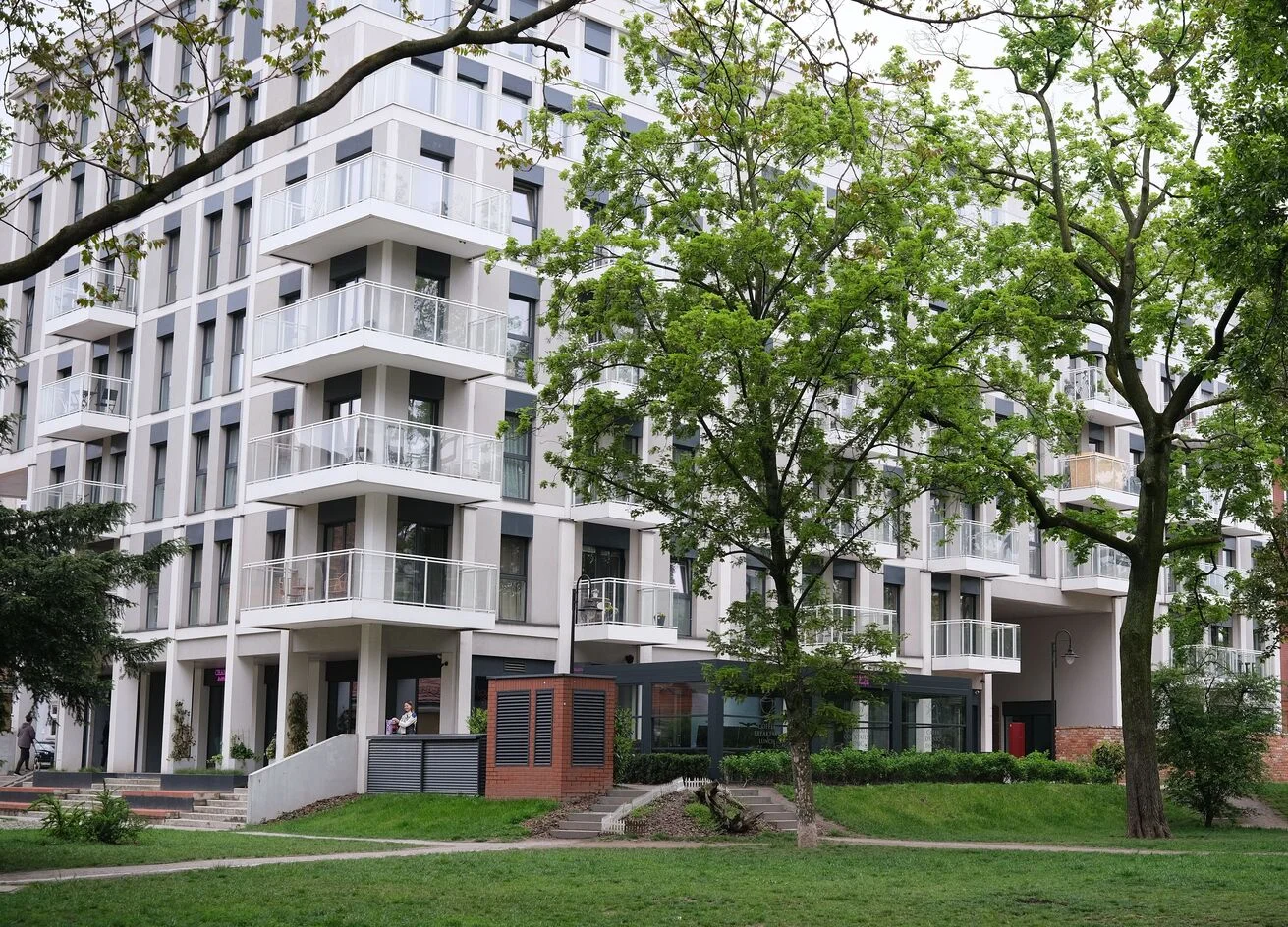
A ground lease definition refers to a long-term land use agreement where a tenant leases land and develops or improves the property while the land owner retains ownership of the land.
In real estate, a ground lease allows a developer to build on land without purchasing it. The lease term typically ranges from 50 to 99 years, making it a classic example of a long term lease of land..
A what is a ground lease agreement structure typically includes:
- Fixed or escalating lease payments land
- Rights to construct buildings or infrastructure
- Clauses defining property ownership rights
- Reversion terms at lease expiration
Understanding who owns the building in a ground lease is essential. During the lease term, the tenant typically owns all improvements constructed on the land. However, at the end of the lease, ownership often transfers to the land owner unless negotiated otherwise.
This structure creates a classic leasehold scenario. The tenant holds rights to use and profit from the land, but does not hold freehold ownership.
What is A Land Lease?
A land lease definition describes any agreement where a tenant pays to use land without owning it. The term is broader than ground lease and includes both residential and commercial uses.
In what does it mean to lease land, the arrangement can vary widely:
- Short-term agricultural use
- Residential plots for mobile homes
- Commercial parking or storage
- Seasonal or flexible use agreements
A what is land lease property example includes manufactured home land lease communities. In such cases, the tenant owns the home but rents the land beneath it. Landlords should distinguish between these agreements and simpler arrangements by understanding the difference between lease and rent to avoid legal ambiguity.
Unlike a commercial ground lease, a standard residential land lease may:
- Have shorter durations
- Limit development rights
- Offer fewer long-term guarantees
The concept of lease land without ownership applies in both structures, but land leases tend to be more flexible and less complex.
Ground Lease vs. Land Lease: Key Differences

Industry usage of ground lease vs land lease is often inconsistent. A land lease may be used as a broad term that includes a ground lease, but in practice, a ground lease usually refers to a long-term, development-focused structure.
The difference between ground lease and land lease therefore depends more on how each is applied—especially in terms of duration, control, and property ownership rights within a leasehold vs freehold framework.
Lease term length
The difference between ground lease and land lease often starts with how long the tenant stays on the property.
- A ground lease typically involves a long term lease of land, often ranging from 50 to 99 years, and is commonly used for major developments.
- A land lease usually has shorter terms, often ranging from months to 10–20 years depending on use.
For deeper insight into structuring lease durations, landlords can review this guide on what is lease length.
Development rights
Strategic land use requires a clear land use agreement regarding what the tenant can actually build on the site.
- A ground lease grants full development rights to the tenant. A developer can construct commercial buildings and generate income.
- A land lease limits development. Most agreements restrict permanent structures or require specific land owner approval.
Ownership of improvements
The answer to who owns the building in a ground lease is a critical distinction for tax and liability purposes.
- The tenant owns improvements during the lease.
- The land owner gains ownership at lease expiration.
In a standard land lease, improvements may not exist or remain temporary in nature.
Typical use cases
Landlords choose between these formats based on the target tenant and the desired investment return.
- Commercial ground lease: retail centers, office towers, hotels.
- Residential land lease: mobile home parks.
- Agricultural land use agreement.
- Parking or storage facilities.
End-of-lease consequences
The reversion of assets defines the ultimate property value for the land owner once the contract concludes.
- A ground lease typically transfers all improvements to the land owner at expiration.
- A land lease often ends with minimal impact since improvements are limited or removable by the tenant.
Financing complexity
Lenders often hesitate with ground lease deals due to the unique nature of leasehold property collateral.
- Reversion risk.
- Limited property ownership rights for the lender.
- Complex foreclosure rights.
Understanding financing structures can be paired with lease types like gross lease vs triple net.
Risk level for tenants and landlords
Both parties must evaluate land lease risk against the potential for high-yield lease payments.
- Ground lease risk is higher due to long-term commitments and capital investment.
- Land lease risk is lower but offers a smaller overall investment return.
Summary Table: Ground Lease vs Land Lease
The difference between ground lease and land lease lies in scale and strategy. A ground lease supports long-term development with higher risk and stronger returns. A land lease offers flexibility, simplicity, and lower commitment for both land owner and tenant.
When is A Ground Lease Used Instead of A Land Lease?
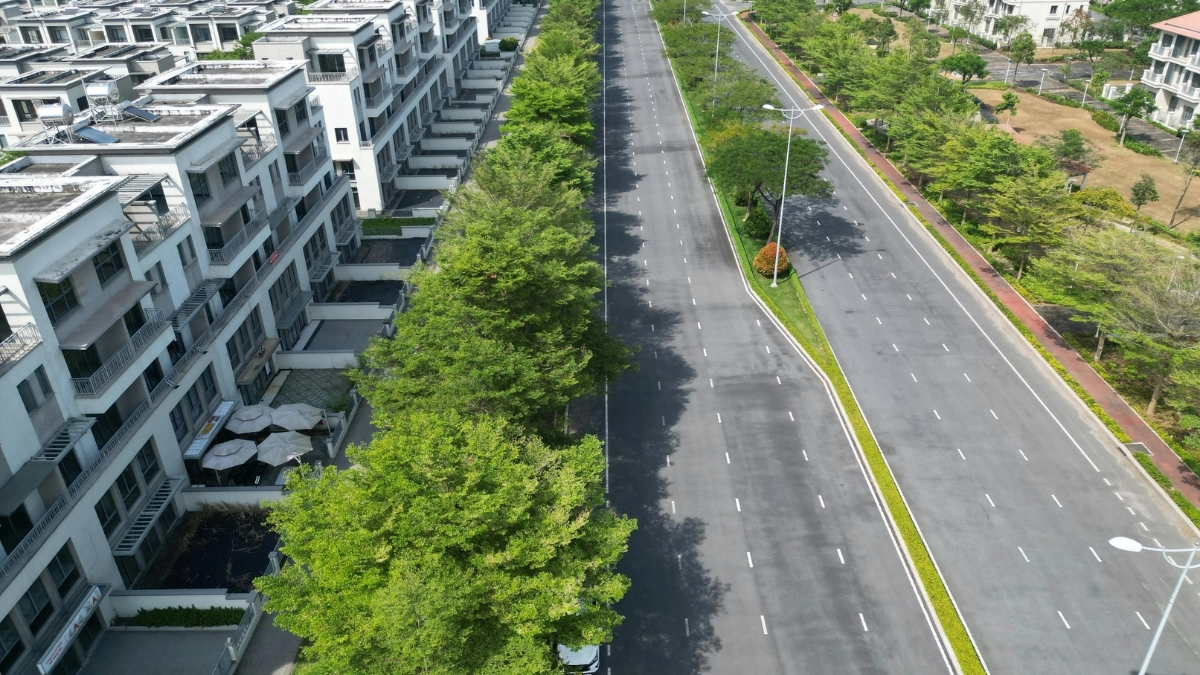
A ground lease is typically used instead of a standard land lease for long-term commercial developments where the tenant constructs permanent improvements, such as hotels or shopping centers.
While a standard land lease property might be sufficient for seasonal farming or parking, a commercial ground lease acts as a strategic "hands-off" structure for a land owner.
Landlords and developers choose a ground lease agreement in several specific scenarios:
- Major Commercial Development: This is the primary use case for constructing retail, office, or industrial facilities. Large corporations, like McDonald’s or Starbucks, often use a ground lease to build their signature structures without the massive capital outlay required to buy the freehold title.
- Restricted Property Ownership: Many institutions—including churches, universities, and municipalities—are legally or internally prohibited from selling their land. In these cases, a long term land lease is the only way to facilitate development while the institution maintains its property ownership rights.
- Financing and Sale-Leasebacks: Companies often use a ground lease as a tool for financial restructuring. A business might sell its land to a land owner to raise immediate cash but sign a ground lease to retain the right to operate its building on that same plot.
- Asset Protection and Reversion: Landlords prefer this structure because it ensures that at the end of the lease term 50 years 99 years, the ownership of all significant improvements reverts to them. This creates a high investment return for future generations who inherit both the land and the buildings.
- Tax Efficiency for Tenants: Lease payments are often deductible as a business expense. Landlords can explore other rental property tax deductions to optimize their own returns.
In most ground lease structures, the tenant is responsible for property taxes, insurance, and maintenance. This setup reduces ongoing management responsibilities for the land owner and creates a more predictable income stream compared to a typical residential land lease or short-term agreement.
When is A Standard Land Lease More Practical?
A land lease is more practical when flexibility, lower cost, and simple land use agreement terms matter more than long-term control. Compared to a ground lease, a land lease fits short to medium-term use and lower-risk real estate investment lease strategies.
Typical situations where a land lease makes more sense include:
- Lower upfront capital requirement A tenant can lease land without ownership and avoid buying land, reducing financial pressure. This structure improves cash flow and reduces financial pressure early in the project.
- Temporary or project-based use: A land lease fits short-term needs such as storage, parking, or seasonal operations. A tenant avoids long-term commitment and reduces exposure to market risk.
- Agricultural and rural operations: Farmers use land lease to expand operations without taking on large debt, while still improving land use.
- Residential use and manufactured housing: A residential land lease allows occupants to own the structure and pay rent land lease for the land. Landlords can use an online rental application to quickly fill vacancies.
- Renewable energy and industrial use: Solar farms, wind projects, and industrial storage often rely on land lease structures. The model allows companies to secure location-specific land without tying up capital in land acquisition.
- High-cost urban or strategic locations: In areas with high property value, leasing land is more practical than buying, with stable lease payments land.
- Simpler financing and lower risk: A land lease involves less complexity than a leasehold property under a ground lease. Lenders view shorter terms and limited improvements as lower land lease risk, making financing easier.
- Tax efficiency: In many cases, lease payments qualify as deductible business expenses, which can improve overall investment return for the tenant.
A ground lease vs land lease decision depends on scale and commitment. A land lease is more practical for flexible, lower-cost use with limited development, while a ground lease fits long-term projects that require full control and higher property value growth.
Who Owns the Property in A Rround Lease vs. A Land Lease?
In a ground lease vs land lease, the land owner always retains ownership of the land, while the tenant may own the buildings or improvements depending on the structure of the agreement. The key difference lies in how long those rights last and what happens at the end of the lease.
A clear understanding of property ownership rights helps both parties evaluate risk, control, and long-term property value.
Ground lease ownership structure (long-term, development-focused):
- Land ownership: The land owner holds full freehold ownership of the land at all times
- Improvement ownership: The tenant (often a developer) owns the building during the lease term
- Lease structure: A leasehold property arrangement where the tenant controls and operates the asset
- Lease duration: Typically a long term lease of land, often 30 to 99 years
- End of term: Buildings usually transfer (revert) to the land owner
- Common use: Commercial ground lease projects such as retail centers, office buildings, or branded locations
This structure allows the tenant to generate investment return while the land owner benefits from long-term lease payments and future asset appreciation.
Land lease ownership structure (flexible, broader use cases):
- Land ownership: The land owner retains full ownership of the land
- Improvement ownership: The tenant may own structures, especially in residential land lease or manufactured home land lease setups
- Lease structure: Simpler land use agreement with fewer long-term obligations
- Lease duration: Short to medium term, depending on use
- End of term: Improvements may be removed, sold, or transferred based on contract terms
- Common use: Mobile home parks, agriculture, solar farms, or temporary land use
This model focuses more on flexibility and lower commitment, with less emphasis on long-term property value growth.
What Happens At The End of A Ground Lease Term?
At the end of a ground lease, typically after a lease term 50 years 99 years, the land owner regains full control of the land and all improvements. This outcome is a defining feature of a ground lease vs land lease structure and directly impacts long-term property value and investment return.
A ground lease agreement usually outlines several possible outcomes, depending on how the property rights lease is structured.
Key outcomes at the end of a ground lease:
- Reversion of ownership: All buildings and improvements owned by the tenant transfer to the land owner, often “free and clear” of liens.
- Landlord takes possession: The land owner gains full control, allowing them to operate the building, find a new online rental contract for the space, or redevelop the entire site to increase what is arv in real estate.
- Loss of tenant interest: The tenant typically loses all rights to the leasehold property, even after decades of investment.
- Increase in property value: The land owner benefits from higher property value due to acquired improvements.
Possible alternative outcomes based on contract terms:
- Demolition requirement: The tenant may be required to remove buildings and restore the land to its original condition.
- Compensation clause: Some agreements may include partial compensation for improvements, though this is less common.
- Environmental obligations: The tenant may need to complete cleanup or remediation before returning the land.
- Repair conditions: The tenant may be required to return the property in good condition, leading to major final-stage maintenance costs.
What often happens before the lease expires:
- Lease extension negotiation: The tenant may attempt to extend the long term lease of land to preserve asset value.
- Purchase option: Some agreements allow the tenant to buy the land and convert from leasehold vs freehold.
- Financing challenges: As the remaining lease term drops below 30–40 years, lenders may view the land lease risk as too high.
In summary, the end of a ground lease marks the point where the property ownership rights of the building shift from the developer to the land owner. In addition, landlords should also review rental property tax deductions related to inherited improvements at the end of the term.
Ground Lease vs. Land Lease: Which One is Better for Your Situation?
Choosing between ground lease vs land lease depends on whether the land owner prioritizes long-term investment return with minimal involvement or prefers flexibility in a shorter land use agreement. Both structures allow lease land without ownership, but the level of commitment, control, and risk differs significantly.
To determine the better option, landlords should evaluate several practical factors:
Key decision factors to compare both structures:
- Capital investment requirements: A commercial ground lease allows a developer to build high-value assets without requiring the land owner to invest capital. A land lease typically does not involve major development or large-scale construction
- Duration of commitment: A ground lease usually requires a long term lease of land, often lease term 50 years 99 years, which can limit flexibility. A land lease allows shorter commitments and easier exit options
- Management style: A ground lease creates a passive structure where the tenant handles taxes, insurance, and maintenance. A land lease often requires more active involvement from the land owner, especially in residential land lease or operational settings
- Financing and debt: A leasehold property under a ground lease introduces complexity for lenders due to leasehold vs freehold issues and reversion risk. A land lease carries lower land lease risk, making financing more straightforward
- Future value and reversion: A ground lease increases long-term property value because improvements revert to the land owner. A land lease focuses on steady rent land lease income without significant appreciation from development
In summary, a ground lease is better for high-value urban plots where the landlord wants zero management and a huge asset reversion. A standard land lease is better for agricultural, residential, or temporary uses where flexibility and shorter commitments are the priority.
Before finalizing any long term land lease, landlords should form an llc for rental property to shield personal assets from the unique liabilities associated with lease land without ownership structures.
Conclusion
The difference between ground lease and land lease comes down to duration, development rights, and ownership structure. Choosing between the two depends on your investment goals, capital availability, and desired control over property ownership rights.
Ready to secure your land investment? Use LeaseRunner to access a professional online rental contract, manage an online rental application, and streamline your lease payments today.
FAQs
1. Is a ground lease the same as leasing land?
Not exactly. A ground lease is a specific type of land lease, typically used for long-term arrangements where the tenant builds and owns improvements on the land.
However, the term land lease is broader and may refer to any agreement to lease land without ownership, including agricultural, residential, or short-term use. In some contexts, the two terms are used interchangeably, but in practice, a ground lease usually implies a more structured, development-focused arrangement.
2. Why are ground leases usually 50 to 99 years long?
A long term land lease ensures enough time for a developer to recover investment and generate profit. Shorter terms reduce feasibility for large projects.
3. Why do lenders not like ground leases?
Lenders worry about the leasehold property reversion; if the tenant defaults on the lease, the landlord can take the building, leaving the lender without collateral.
4. Is a land lease cheaper than buying land?
Yes, it allows a tenant to use high-value land without the capital required for a freehold purchase, while the land owner keeps the asset.
Disclaimer: The information provided in this post is intended for general informational and educational purposes only. It should not be construed as legal, accounting, or tax advice. For guidance specific to your situation, we recommend consulting with a qualified professional in the relevant field before taking any action based on the content provided.