Learning how to find a private landlord is harder than it should be, because the big listing sites are built around large buildings with leasing offices. You search your city and get page after page of managed complexes. Meanwhile, the duplex two streets over sits empty with a paper sign in the window.
This guide covers what works: where owners post, how to check that a person owns what they claim, and how to protect your deposit. If you are mapping out the full apartment rental process, start here.
What Is a Private Landlord?
A private landlord is an individual who owns a rental property and manages it personally. There is no leasing office and no approval chain. You email the owner, and the owner emails you back.
Three parts define the setup. The owner holds title, handles showings and repairs, and sets lease terms without a policy manual. Rent for private landlords gets priced property by property, not by a revenue algorithm.
The type varies. Some own one condo that they used to live in. Some own five houses as a retirement plan. An independent landlord may also be a single-member LLC. Picture a teacher who inherits her mother's house, posts it on Facebook, and picks an applicant.
That pattern is the norm. Individual investors owned 59.6% of one-unit rental properties in 2024. In buildings of one to four units, individual investors owned roughly 70% of the units as of the 2021 survey.
Private Landlord vs Property Manager
The choice between a private landlord and a property manager determines how quickly you get answers and how much you can negotiate.
What this means for you: when you rent directly from the owner, you trade the process for judgment. A person can say yes to your freelance income or your rescue dog. That same person may handle paperwork loosely.
Where Can You Find Private Landlords Online?

Knowing how to find homes for rent by owner means picking channels where owners actually post. Compare the five options first.
Rental Websites and Apps
Big portals still carry owner inventory. You have to dig past the default sort. On Zillow, open the filter menu and type “for rent by owner" or “FRBO" into the keyword box. HotPads has a similar filter. Sorting to single-family houses helps, since those are usually owner-run. Finding a private landlord for apartments takes more patience. Look for condo units listed individually within a larger building.
For Rent by Owner Websites
Some sites carry only owner-posted inventory. Search for rent-by-owner listings there, then cross-check the address on a general portal. If the unit also appears under a management brand, it is not an owner rental.
The real trick to finding apartments for rent by owner is the description text. Owners write in the first person. Costs also differ between renting a home and an apartment.
Facebook Marketplace and Local Housing Groups
Marketplace moves faster than any portal, and speed cuts both ways. Choose Property Rentals, set a tight radius, then join two or three city housing groups. Owners post their first.
About half of the people who reported a rental scam in the 12 months ending June 2025 said it started with a fake Facebook ad.
Craigslist and Local Classifieds
Classifieds work in markets where owners never moved to apps. Filter the housing section to "by owner." Posts are plain and badly photographed, a decent sign that a real person wrote them. Independent landlord rentals show up here that never touch Zillow. Reply the same day.
Neighborhood Groups and Community Boards
Hyperlocal platforms surface the smallest buildings, those with two or three units. Nextdoor and block-level groups are where someone posts, “My tenant is moving out in June." Searching private rentals near me on a portal never reaches that post. Ask in the group directly.
What this means for you: run all five channels at once. Owner listings are scarce and vanish in days, so coverage beats perfection.
How to Find Private Landlords Offline
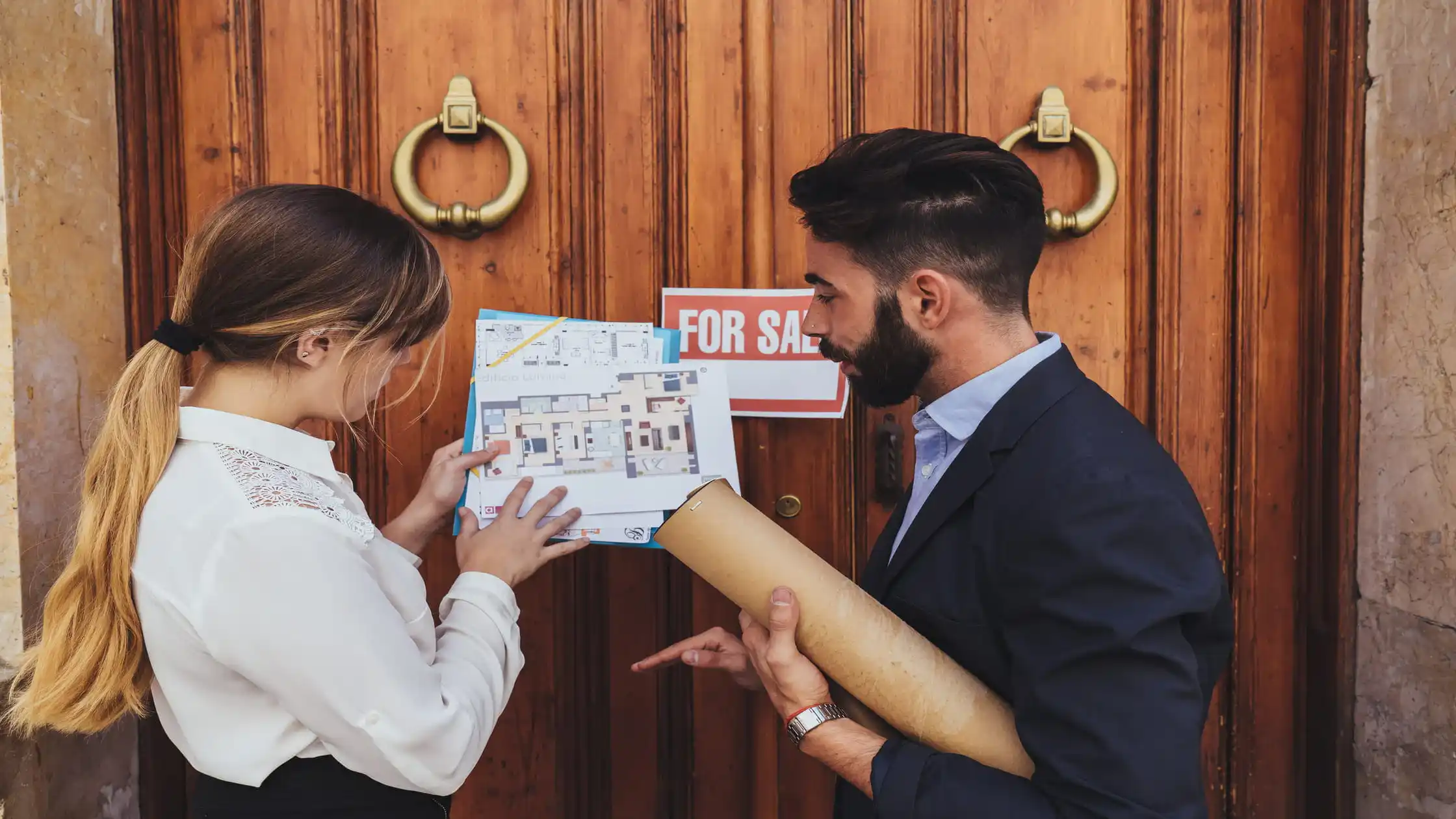
Online searching misses a real slice of the market, because many owners never post at all. These four tactics find those units.
Look for “For Rent" Signs in Your Target Neighborhood
Driving your blocks is the highest-yield offline method, especially for houses for rent from a private owner. Drive three or four streets you would actually live on. Photograph every sign, faded ones included. A yard sign means the owner skipped advertising, so you face less competition.
Ask Friends, Coworkers, and Current Residents
Word of mouth finds vacancies before they become a rental listing anywhere. Tell people exactly what you want. “I need a two-bedroom under $2,000 near Eastside by August" gets results. "Let me know if you hear anything" does not.
Check Local Businesses and Community Notice Boards
Boards still carry listings in college towns and older neighborhoods. Check laundromats, coffee shops, libraries, and grocery entrances. Photograph the board and call later. These posts skew toward owners who avoid online platforms.
Contact Small Local Real Estate Offices
Small brokerages know which owners are between tenants. Call two or three independent offices and ask if any past sellers now rent out their homes. Timing matters too, so read up on when to start your apartment search first.
What this means for you: offline searching shrinks your competition. Ten drive-by leads beat 100 portal listings, because you are one of three callers, not one of ninety.
How to Tell If a Rental Is Listed by the Owner
Listings rarely say “owner" outright, so read them for signals. Four clues separate owner posts from managed inventory.
- The writing voice gives it away. Owners use “I" and “my" and describe the kitchen they remodeled. Management copy says "residents enjoy."
- Contact details are personal. A mobile number and a Gmail address point to an owner. A leasing line does not.
- Application logistics stay simple. With no property management company involved, you get a PDF or paper form, not a branded portal. Screening also costs less, and fee rules differ by state, which we cover in our breakdown of what a rental application fee should cost.
- Photos look handmade. Phone shots, odd angles, and one blurry bathroom photo signal a real owner. Cross-check the address on a county assessor lookup.
What this means for you: treat these clues as a score, not a test. Two or three matching signals are enough. One proves nothing.
How to Verify a Private Landlord Before You Rent
Most renters skip this step and regret it. Working out how to find a private landlord you can trust takes four free checks.
Confirm the Landlord's Identity
Start with the person, then move to the property. Ask for a full legal name and search for it in your city. Look for a real footprint: a LinkedIn profile, a business filing, or an old listing. Then ask for a video call.
Verify Property Ownership
Public records settle this in minutes, free. Search your county assessor's site for the address. The record names the current owner. Compare it to the person messaging you. A trust or an LLC is fine, but a refusal to explain is not.
Tour the Property Before Paying
Never send money for a place you have not seen. Check water pressure, outlets, locks, and windows. Photograph every scratch for your move-in checklist. Be careful with self-tour lockbox codes, since scammers copy listings from owners who use those services.
Get the Rental Terms in Writing
A verbal agreement helps nobody. The lease should state the rent, due date, deposit, lease term, repair responsibilities, and pet terms. Read the deposit clause twice, since limits and return deadlines are set by state law. Our list of questions to ask before signing a lease covers the clauses people miss.
One legal note. Federal fair housing rules exempt some owners who rent a single-family home without a broker and own three or fewer such homes, as well as some owner-occupied buildings with four or fewer units. State and local laws are often stricter.
What this means for you: verification is not an insult. Legitimate owners expect it. If someone gets defensive when you ask for a name and a walkthrough, you just saved a deposit.
Rental Scam Red Flags When Dealing With Private Landlords
Private owners are not riskier people. Direct rentals come with less institutional checking, so you do more of it. Learning to avoid rental scams on private listings is a matter of pattern recognition, and the scale is real: consumers reported nearly 65,000 rental scams and about $65 million in losses from January 2020 through June 2025.
The Rent Is Far Below Similar Properties
Bait pricing is how fake listings get clicks. Compare the rent to three similar units nearby. A 30% gap with no explanation is a warning, not a deal.
The Landlord Refuses to Show the Property
Every excuse for skipping a tour is the same excuse in different clothes. “I am overseas." “The tenant is sick." “I will mail the keys." Walk away then.
You Are Pressured to Send Money Immediately
Urgency is the tool, not a coincidence. Wire transfers, gift cards, and crypto are unrecoverable. Renters aged 18 to 29 were three times more likely than other adults to report losing money to a rental scam.
The Name or Property Details Do Not Match
Mismatches between the listing, the records, and the person are the clearest signal. Check the deed name and unit count. Reverse-image search the photos, since copied listings appear elsewhere at different prices.
There Is No Written Lease or Rental Agreement
A landlord who avoids paperwork is avoiding accountability. Refusing a lease, refusing a receipt, or asking for cash only are all disqualifying. Our guide to spotting a rental scam covers the newer versions.
What this means for you: one red flag deserves a question. Two deserve an exit. Report anything suspicious to the FTC and your state attorney general.
Questions to Ask a Private Landlord Before Applying
Good questions prevent bad surprises and show you are organized. Ask these before you apply.
- Who handles repairs, and how fast? Ask about weekends and emergencies.
- What is included in rent? Water, trash, parking, and lawn care vary.
- How is rent paid, and is there a receipt? Written proof protects both sides.
- What is the deposit, and when is it returned? State law sets the timeline.
- Is renters' insurance required? Many owners now ask for it.
- What is the guest, pet, and subletting policy? Owners bend if you ask early.
- How long has the unit been vacant? This tells you your leverage.
That last one matters most if you plan to negotiate rent with a private landlord. A unit that has been empty for six weeks is costing the owner money. A longer lease or earlier move-in lands better than a flat discount request, as our walkthrough on whether you can negotiate apartment rent shows.
Owners move fast on organized applicants, so have your paperwork ready. Our checklist of documents needed for an apartment rental covers what to gather.
What this means for you: an applicant who asks specific questions reads as low risk, which matters more to an owner than a credit score.
Template to Contact a Private Landlord About a Rental
Most renters send three words and get ignored. Here is how to contact a landlord directly and earn a same-day reply.
This works because it answers the owner's real questions upfront, gives a move-in date, offers documents before being asked, and proposes tour times.
Follow up once after two days, then move on. Owners also want to know you take screening seriously, and tenant background screening is how many independent owners run it.
Conclusion
How to find a private landlord comes down to searching where owners actually post and verifying hard before money moves. Run portals with owner filters, Facebook groups, classifieds, and neighborhood boards at once. Then drive your target streets and ask around, because the best units never get advertised. Confirm identity through county records, tour in person, and put every term in writing.
Owners reward applicants who are prepared and easy to work with. Learning what a private landlord is responsible for makes that first message easier.
FAQs
1. How can I find private landlords near me?
Use owner filters on Zillow and HotPads, join two local Facebook housing groups, check Craigslist “by owner," and drive your streets for signs.
2. Do private landlords check credit?
Many do, though standards vary. Some run a full credit and background check. Others weigh income proof and references more heavily, so a lower score is often survivable.
3. Is it easier to rent from a private landlord?
Often yes. Approval is faster, and the terms are more flexible since one person makes the decision. The trade-off is less structure because repairs, records, and deposits depend solely on the owner.
4. Can I rent directly from an owner without a property manager?
Yes. Most small rentals in the United States are owned and run by individuals, not companies. Confirm ownership through county records first.
5. Can you rent from a private landlord with bad credit or no credit?
Often, yes. A private landlord can weigh the full picture instead of an automatic cutoff. Steady income, strong references, and a larger deposit or a co-signer can offset a low score or a thin file. Mention it upfront in your first message rather than letting the owner find out during screening.
Disclaimer: The information provided in this post is intended for general informational and educational purposes only. It should not be construed as legal, accounting, or tax advice. For guidance specific to your situation, we recommend consulting with a qualified professional in the relevant field before taking any action based on the content provided.