The apartment rental process encompasses everything from the initial property search and application submission to the rigorous background screening and final lease signing. For many, this means scrambling to organize proof of income, understanding credit requirements, and navigating complex legal agreements. Whether you are a first-time renter excited about independence or a landlord looking to fill a vacancy, knowing exactly what documents to prepare and which steps to prioritize is crucial.
This guide breaks down every stage, offering a clear roadmap for preparing your application file and understanding the critical checks required for approval. We will outline the timeline, paperwork, and legal checks required to ensure a seamless transition.
What Is the Rental Application Process?
The renting application process is a formal screening procedure used by property owners to evaluate a prospective tenant's suitability for a unit. Its primary component consists of a detailed form collecting personal data, financial history, and rental references. A variation of this exists in the modern market, where digital platforms have replaced paper forms, allowing for instant data submission.
An example of this is a tenant using a smartphone to submit their details for a downtown loft minutes after viewing it. The meaning of this for both parties is clear: what rental application protocols are really about is risk assessment and trust building.
Landlords use this tool to determine if an applicant can afford the rent and will treat the property with respect. Tenants use it to demonstrate their responsibility. Understanding what rental applications look for, such as credit stability and a clean criminal record, helps applicants prepare more effectively for the process. Ultimately, this screening acts as the gatekeeper for the entire apartment rental process.
How Long Does the Apartment Rental Process Take?
Time is money for landlords and a source of anxiety for tenants, so asking how long the rental process takes is essential. To truly plan your move, we must look at both the standard deadlines you can expect and the hidden variables that often shift this schedule unexpectedly.
Typical Timeline
In an ideal world, the process of renting an apartment would proceed smoothly and quickly. How long does it take to process an apartment application? We typically see a turnaround of 24 to 72 hours for the initial review. Modern tools accelerate this.
If we use an online rental application, the data arrives instantly. We often see approvals happen within a single business day when digital tools are used. However, the full picture is longer. From the first viewing to the final lease signing, you should expect the entire apartment rental process to span roughly two to four weeks.
Factors Influencing the Timeline
Several variables can slow down or speed up the apartment rental process. While some delays are unavoidable, knowing the primary bottlenecks helps you anticipate the wait:
- Incomplete forms: This is the single biggest delay. If a tenant forgets to sign a section or omits a reference, the landlord must pause the entire review to ask questions.
- External verification delays: The speed of tenant screening often depends on the cooperation of third parties. For instance, we often have to wait for employers to return phone calls or for credit bureaus to release data.
- Timing: Weekends and holidays will naturally pause the clock, as banks and HR departments are closed.
Landlords can expedite this by using digital verification tools that do not rely on slow manual callbacks.
Navigating the Apartment Rental Process for Tenants
For renters, understanding the 7 steps to getting an apartment ( from completing the rental application to moving in and finalize the agreements) is the best defense against rejection and stress.
Step 1: Completing the Rental Application
Your journey begins with the application for an apartment for rent, which acts as your tenant resume. When you find a place you love, you must fill out this form accurately. This is the core of the apartment application process. You will be required to provide your full name, current address, Social Security number, and employment history.
Honesty is non-negotiable here. Landlords verify everything. If you are unsure how to apply for an apartment, consider it a job application. You need to sell yourself as the best candidate. We recommend having your info ready beforehand to fill these out quickly.
Step 2: Paying the Application Fee and Security Deposit
Most landlords require an upfront payment to process your data during the apartment rental process. You will typically encounter an application fee for rental covering the cost of background checks. This fee is usually non-refundable. Sometimes, a landlord may request a holding fee for a reserved apartment. This money takes the unit off the market while they review your file. Be clear on where this money goes. If approved, the holding fee often credits toward your first month's rent. Always get a receipt.
Step 3: Preparing for Credit and Background Checks
This step involves the landlord assessing your financial reliability and safety. To do this, landlords will run a credit report to review your credit score and check your criminal history. You might wonder what you need for a rental application regarding these checks. Typically, you simply need to authorise them.
To prepare, you should know how to pass a background check for an apartment by reviewing your own records first. If you have a low credit score or a history of eviction, be honest before they run the check. Explaining the situation up front is better than them finding out about it later.
Step 4: Providing Proof of Income and References
You must prove that you can afford the rent to secure an apartment. Landlords typically look for income that is three times the monthly rent. You will need to submit pay stubs, bank statements, or a tax return. Landlords use these to perform a tenant verification income analysis. Additionally, contact your past landlords to ensure they will provide a positive review. Positive rental verification from a previous housing provider is gold.
Step 5: Co-Signer or Guarantor
If your credit or income falls short, you may need additional support to complete the apartment rental process. Requirements for getting an apartment can be strict. If you don't meet them, a co-signer can help. This person agrees to pay the rent if you fail to do so. This is common for students or first-time renters. Ensure your co-signer understands their liability. They will undergo the same process for apartment screening as you, including credit checks.
Step 6: Understanding the Lease and Signing It
The lease is a legally binding contract that dictates your housing relationship. Once approved, you will receive the lease agreement. Read it carefully. Check for details such as admin fees, apartment charges, pet policies, and lease duration. Understanding that an apartment application binding is different from the lease is crucial; the application usually isn't, but the lease definitely is. Do not sign until you understand every clause.
Step 7: Moving In and Finalizing the Agreement
The final stage of the apartment rental process involves getting the keys and inspecting the home. Before you unpack, do a walkthrough with the landlord. Use a move-in checklist apartment document to record any existing damage. This protects your security deposit later. Once signed and inspected, the unit is yours.
Managing the Apartment Rental Process for Landlords
For property owners, mastering how apartment applications work ensures you place high-quality tenants in your units.
Step 1: Setting Up the Rental Application Form
A solid apartment rental process starts with gathering the right data. You need a comprehensive form. Include rental application questions that cover employment, rental history, and criminal background. Decide if you prefer paper or digital forms. Digital is faster and more secure. This is your first line of defense against bad tenants.
Step 2: Collecting the Application Fee and Security Deposit
You must cover your screening costs and secure the tenant's commitment. Collect the fee before running any checks. Also, clarify how much is a security deposit for an apartment in your state. This deposit protects your property. Be transparent about costs to avoid disputes.
Step 3: Verifying Employment and Income
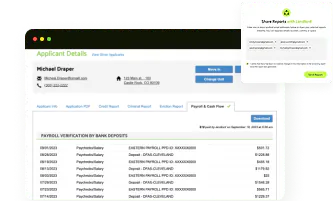
Never take an applicant's word for their salary during the apartment rental process. Fake pay stubs are common. We recommend using an income verification and cash flow report to see direct bank data. This shows you exactly what is coming in and going out. This step confirms the tenant meets the financial qualifications to rent an apartment.
Step 4: Running Credit and Background Checks
This is the most critical step in the risk assessment process for renting an apartment. Run a full eviction check and credit report. You need to know if they pay bills on time. Learning how to check eviction history is vital to avoid repeat offenders. This data helps you decide who approves apartment applications based on facts, not feelings.
Step 5: Contacting References and Previous Landlords
Past behavior is the best predictor of future behavior in the apartment rental process. Call previous landlords. Ask questions to ask tenants references about noise, payment habits, and cleanliness. A five-minute call can save you months of headaches.
Step 6: Making a Decision and Informing the Applicant
You must decide based on your criteria and laws. Review all data. If they pass, send an acceptance letter. If they fail, send an adverse action notice explaining why. This is part of the steps to rent an apartment that keep you legally safe.
Step 7: Signing the Lease and Preparing for Move-In
Close the deal to finish the apartment rental process. Draft a clear lease. If you are renting out a house for the first time, use a state-specific template. Collect the first month's rent and deposit before handing over keys.
Legal Considerations in the Apartment Rental Process
Ignorance of the law is never a valid defense in the apartment rental process. Both landlords and tenants must navigate these rules carefully to avoid costly disputes.
Fair Housing Act
We must ensure that the requirements for getting an apartment are applied equally to everyone. Discrimination under the Fair Housing Act is illegal. For example, a landlord cannot charge a higher security deposit for a family simply because they have children, nor can they steer a disabled applicant to a ground-floor unit against their will. Consistency is your best protection against lawsuits.
Tenant Rights and Responsibilities
Respect goes both ways. What to know before renting an apartment is that tenants have a right to "quiet enjoyment." This means we cannot simply unlock a tenant's door at 8 AM to inspect the carpet. Unless there is an emergency, such as a fire, landlords must provide proper notice (usually 24 hours) before entering the home.
State-Specific Rental Laws
Geography dictates the rules in the process of renting an apartment. Every state has unique limits. For instance, New York caps application fees at $20, while California limits security deposits to one month's rent for unfurnished units. We must check local statutes to ensure our lease terms regarding late fees or grace periods are actually enforceable.
Protecting Application Information
Safety extends to data, too. During the rental application process, tenants provide sensitive details, such as their Social Security numbers. Leaving these paper forms on a messy desk is negligent. We strongly recommend using password-protected, encrypted software to store this data, ensuring identity theft never happens under our watch.
Tips for Tenants and Landlords to Simplify the Rental Process

We can make the apartment rental process smoother and faster by applying a few strategic moves that save time and reduce stress for everyone involved.
For Tenants
Tenant can drastically speed up your approval chances by being proactive and organised before you even set foot in a viewing.
- Be Prepared: Don't scramble for papers later. Before starting the steps to rent an apartment, save PDFs of pay stubs and ID on your phone. This ensures you have exactly what you need for a rental application ready to send immediately.
- Check Your Own Credit: Avoid bad surprises. Review your own report to see what rental applications look for, like late payments. This allows you to correct errors or explain low scores upfront.
- Ask Questions: Clarify costs early. Ask specific questions, such as "Is heat included?" or "Are pets allowed?" Understanding what to know before renting an apartment prevents budgeting mistakes later.
- Consider a Portable Report: Save money on application fees. Use a portable tenant screening report to verify your data once. This allows you to share results with multiple owners, enabling you to apply to multiple apartments without incurring additional fees each time.
For Landlords
Property owners can reduce vacancy time and administrative headaches by setting clear expectations and utilising modern tools to manage leads effectively.
- Be Clear: Stop unqualified leads early. List strict requirements for getting an apartment, like "Income 3x rent," directly in the ad. This ensures only those with the right qualifications can rent an apartment.
- Use Technology: Move Faster with Digital Forms. Online tools expedite the processing of apartment applications by delivering credit data instantly, rather than waiting days for paper files.
- Know the Market: Price correctly to rent faster. Research local comps to understand how long the rental process typically takes for similar units, ensuring you don't overprice and leave the unit empty.
- Communicate: Build trust through updates. Send automated emails about status changes. Letting people know who approves apartment applications keeps top candidates interested while you make your decision.
Conclusion
The apartment rental process does not have to be a source of stress. By breaking it down into manageable steps, both landlords and tenants can achieve their goals with confidence. We have covered the timeline, the necessary documentation, and the legal guardrails that keep everyone safe. Whether you are filling out an application or reviewing one, honesty and preparation are your best tools.
At LeaseRunner, we provide the digital infrastructure to make these steps seamless. From verifying income to signing leases, we are here to support your journey. Remember, a successful rental relationship starts with a transparent and organized process.
FAQs
What Happens After You Submit Your Application?
Once submitted, the landlord reviews your data. They verify your income, check your credit, and call your references. This is the "waiting game" part of the apartment rental process.
Can You Apply for Multiple Apartments?
Yes, absolutely. It is smart to have backups. However, remember that application fees can add up quickly. Using a portable screening report can help reduce these costs if the landlord accepts it.
How Can Landlords Speed Up the Rental Process?
Landlords can expedite the process by utilising digital tools. Are rental applications first-come, first-served? Often yes, so processing them quickly is vital. Automated emails and online background checks reduce the timeline from days to hours.
Disclaimer: The information provided in this post is intended for general informational and educational purposes only. It should not be construed as legal, accounting, or tax advice. For guidance specific to your situation, we recommend consulting with a qualified professional in the relevant field before taking any action based on the content provided.