
Most tenants learn about a bank inspection at their apartment from a sheet taped to the door labeled “lender inspection” that lists a window, such as 10 a.m. to 1 p.m. The visit is usually short: someone sent by the landlord’s bank checks the property that secures a loan, not the tenant.
This LeaseRunner guide covers why the bank is coming, what the inspector looks at, which rights still apply, and how to get ready for the visit.
What Is a Bank Inspection at an Apartment?
A bank inspection for apartment buildings is a property check ordered by the lender, not the landlord. The lender wants proof the building is worth the money tied to it.
The inspector may work for the bank or a firm the bank hires. The job is to match the building to the loan file, which lists units, layout, and condition. Lenders call the building “collateral,” the property that secures the loan.
The lender, not the landlord, usually picks which units to see, including occupied ones. Lenders that sell loans to Fannie Mae, for example, must pick floors and units at random and confirm whether each one is occupied or vacant against the current rent roll. Source: Fannie Mae Multifamily Guide.
The bank inspection of an apartment means that the bank is checking its collateral. That also shapes the purpose of the apartment lender inspection: the inspector wants to know whether the building holds its value, and the report goes to the bank rather than the property manager. Ceilings, plumbing, and floors get a close look, while a tenant’s furniture, pets, and housekeeping stay out of the report.
Why Do Lenders Inspect Apartment Buildings?
An apartment bank inspection happens when money is about to change hands or while a loan is still open. Three situations cover most visits.

Refinancing an Existing Loan
A landlord who refinances swaps an old mortgage for a new one, often for a lower rate. The new lender will not fund a building it has never seen. So an inspector walks the property to check its condition and safety. Refinancing or property sale inspections like this one are often a single visit early in the loan process.
Financing a Building Sale
If the building is changing hands and the buyer is using a mortgage, the buyer’s lender usually wants its own look first. That inspector may ask to see a handful of units, including some where tenants are home, which raises the question of access to occupied units.
A sale does not usually terminate a valid lease, though state law governs the specifics. From inside the unit, a sale inspection and a refinance inspection feel almost identical, so a tenant may not even know which one is taking place.
Monitoring an Active Loan
Some lenders continue to check after closing, since many loan agreements allow it. Each visit is another condition check. How often the inspector returns depends on the lender’s rules, which may weigh the loan’s risk rating, the property’s condition, and the loan size. A mid-loan visit is usually routine, and a visit alone says little about the loan’s health.
What Do Bank Inspectors Check in Your Unit?

A property condition and safety review inside a unit looks for problems that could cost the owner money later. Dishes in the sink do not matter to the bank.
The inspector often compares each unit with the rent roll, the landlord’s list of units and rents. The findings usually go on a standard form, such as the MBA Standard Inspection Form. Most lenders work from a short bank inspection apartment checklist that covers:
- Whether the layout and bedroom count match the landlord’s records
- Water stains on ceilings or soft floors near tubs, which hint at hidden leaks
- Smoke and carbon monoxide alarms, since a missing alarm flags a code issue
- Changes made without permits, such as a removed wall
- Wear on floors, doors, and fixtures, which shows the level of upkeep
Photos may be included in the report, but mail, papers, and drawers are outside what the inspector reviews. A tenant with an open repair request may even gain, because a lender can ask the landlord to fix problems first. A spotless home earns no extra points with the bank.
The lender may also audit the lease files kept by management, matching signed leases against the rent roll. That review happens on the landlord’s paperwork. It confirms the rent roll is accurate, not whether the tenant follows the lease.
Bank Inspection vs. Routine Landlord Inspection

A lender inspection differs from a routine landlord inspection in who orders it, why it is ordered, and what follows.
| Factor | Bank inspection | Routine landlord inspection |
| Who orders it | The lender or its inspector | The landlord or property manager |
| Main goal | Confirm value for a loan | Check upkeep and lease terms |
| When it happens | Before a refinance or sale, or during the loan | On a lease schedule, move-in, or move-out |
| Lease review | Checks units against the rent roll; may audit lease files held by management, not the tenant’s conduct | May check pets or extra occupants |
| Likely result | Usually none; repairs may follow | Repairs or a lease notice |
The basics of what an apartment inspection is show how routine checks look at lease rules and upkeep together. The bank looks at the building and its records, while a landlord visit can also cover how the tenant uses the unit.
Your Rights During a Lender Inspection
A tenant keeps the same rights during a lender visit as during any other entry. The bank gains no extra access.
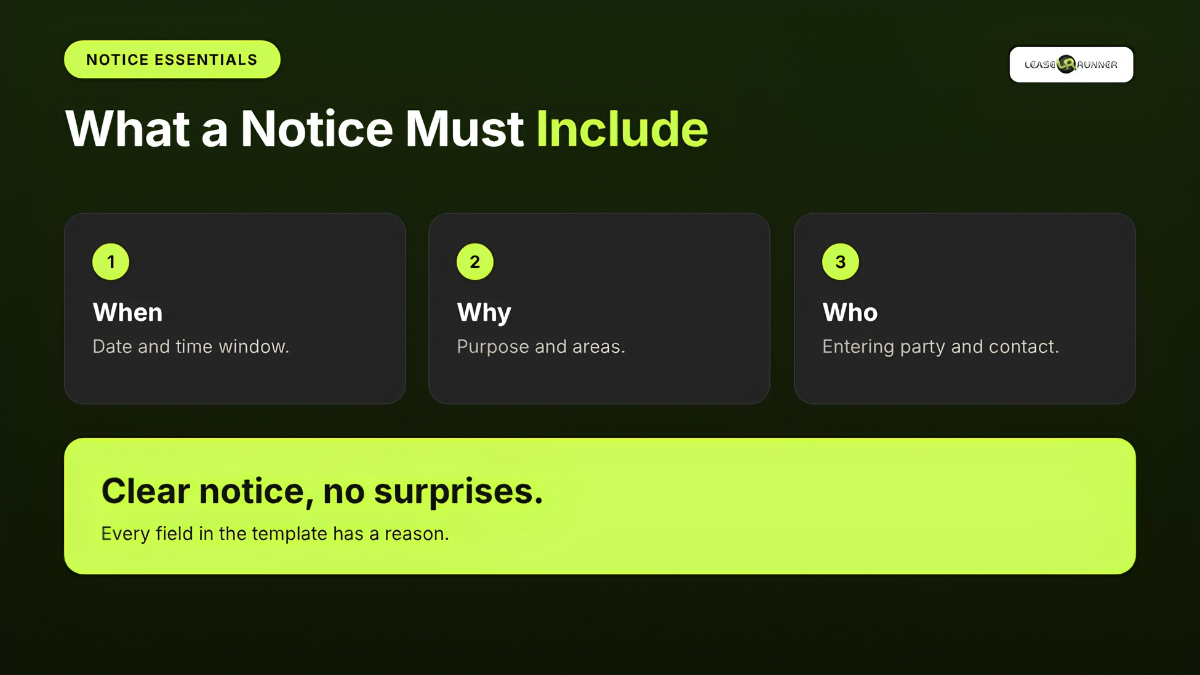
Notice comes first. Tenants are owed the same notice for a bank inspection as for any non-emergency entry, and state rules vary. The inspection notice to tenants guide breaks down what a proper notice includes.
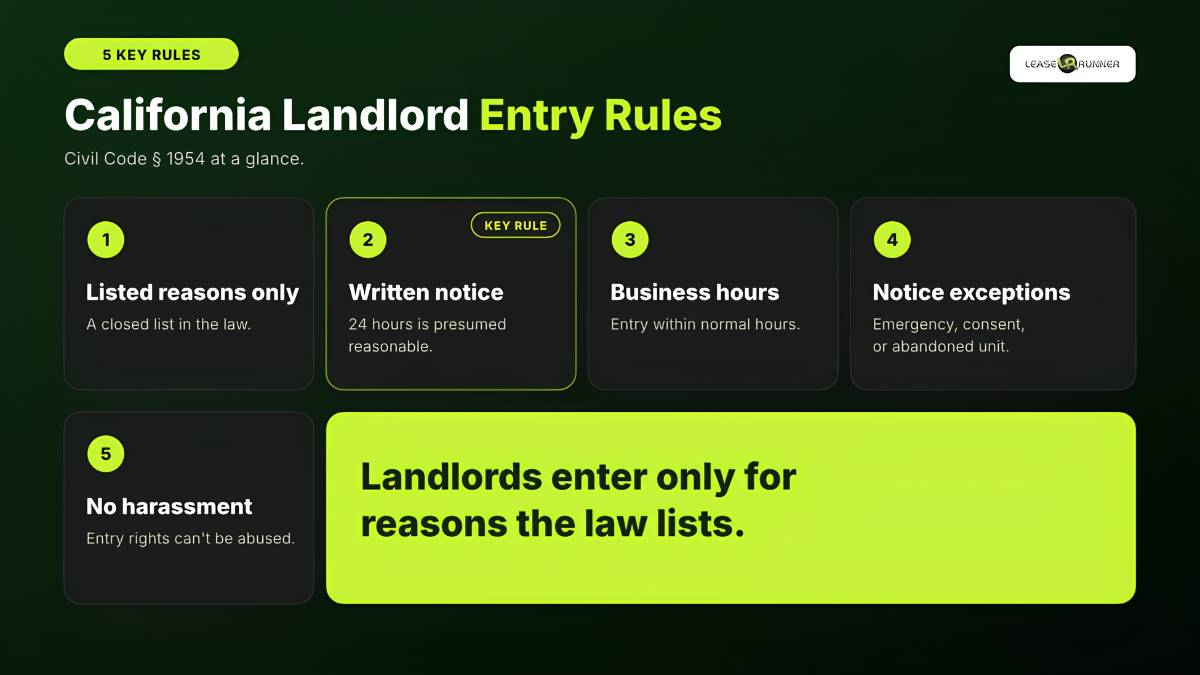
California, for example, lists showing a unit to mortgagees, meaning lenders, as a valid reason to enter. Written notice is required, and 24 hours is presumed reasonable. Source: California Legislative Information. A notice posted Monday at 9 a.m. for a Tuesday 10 a.m. visit gives 25 hours and clears that mark. One posted Monday at 7 p.m. gives 15 hours, so the tenant can ask to reschedule.
Regarding access to occupied units and tenant presence, a lease usually permits the landlord to enter but rarely requires the tenant to leave. A New York tenant attorney quoted by Brick Underground says a tenant has the right to be present when a third party, such as a bank inspector, comes in. Source: Brick Underground. A tenant can ask to stay home, or ask the landlord to escort the inspector.
A tenant can also ask for the inspector’s name and company, then confirm both with the property manager beforehand. Questions about income fall outside the scope of the visit, so the tenant can decline to answer them.
How to Prepare for an Apartment Bank Inspection
Preparing for an apartment bank inspection takes under an hour for most tenants. A few steps protect privacy.
- Confirm the date and time with the landlord in writing
- Ask the manager whether the visit is for a refinance, a sale, or a routine loan check
- Report leaks or dead alarms before the visit, so the problem is on record under the tenant’s name
- Clear access under sinks and to the water heater, HVAC closet, and alarms
- Put away mail, bank papers, and ID documents
- Crate pets or arrange a pet sitter for the day
- Take dated photos of each room before and after the visit
A deep clean is not needed, since the inspector looks at the building, not the décor. LeaseRunner suggests keeping all messages about the visit in a single email thread so the record is easy to find later. A short note about pets or work hours also helps the landlord schedule the visit around the tenant’s day.
A bank inspection at an apartment is the lender checking the building that secures a loan, not a review of the tenant. Most visits follow a refinance, a sale, or a routine loan check, and the usual notice rules still apply. Getting ready comes down to a confirmed time, logged repairs, and clear access to key systems. Repairs flagged by the lender still go through the landlord; the tenant never deals with the bank directly.
Disclaimer: The information provided in this post is intended for general informational and educational purposes only. It should not be construed as legal, accounting, or tax advice. For guidance specific to your situation, we recommend consulting with a qualified professional in the relevant field before taking any action based on the content provided.