Imagine finding a notice on your door that a stranger will be entering your private sanctuary in 24 hours. Does your heart skip a beat? For many renters, the idea of an apartment inspection, a standard review of the property’s condition and lease compliance, triggers immediate anxiety about privacy and the risk of eviction. But it doesn’t have to be a source of fear.
Instead of viewing it as an invasion, we encourage you to see it as a “health check" for your home. At LeaseRunner, we believe that understanding the core purpose of an apartment inspection bridges the gap between property owners and residents. By demystifying what an apartment inspection is, we aim to empower you with the knowledge to handle the next knock on your door with total confidence.
What is an Apartment Inspection?
An apartment inspection is a formal assessment primarily conducted by a landlord or property manager to evaluate the condition, safety, and compliance of a rental unit. This procedure is explicitly permitted by your lease agreement, which typically includes a specific inspection clause outlining the landlord's right to entry and the protocols for the visit.
This process involves a physical walkthrough where specific components, such as smoke detectors, plumbing systems, structural integrity, and appliance functionality, are examined against a set of standards. Although the exact schedule varies, a frequency of every 3 to 6 months is common, and the specific timing is often defined within the lease agreement itself.
Most evaluations are simply routine internal procedures initiated by the building owner. However, distinct from these private checks, a government inspection or a specialized apartment mandatory inspection required by city housing authorities may occasionally occur to ensure code compliance.
For example, a property manager might enter your unit to check for unauthorized pets or water leaks under the sink, while a city inspector serves a secondary role, visiting strictly to ensure regulatory items like fire escapes are accessible. Ultimately, this means the inspection serves as documented verification that the property meets all legal habitability requirements and that the lease terms are being upheld by all parties.
Why Are Apartment Inspections Necessary?
Inspections are not just about checking boxes; they are vital for maintaining the ecosystem of a rental property. At LeaseRunner, we view inspections as preventative medicine rather than privacy invasions. We verify that critical landlord responsibilities apartment inspection protocols are met, shifting us from reactive maintenance to proactive care.
By conducting these scheduled checks, we shift from reactive maintenance, fixing things only after they break, to proactive care, ensuring longevity and stability for both the property owner and the resident.
1. Safety and Habitability
The primary driver behind any walkthrough is safety. Landlords and city officials need to verify that the unit is safe for human habitation. This goes beyond just looking for a working lock on the front door. We are talking about critical apartment safety inspection protocols that check for carbon monoxide detectors, mold growth, and electrical grounding. Without these checks, silent hazards could jeopardize lives.
For instance, a small, unnoticed drip in a gas line could become a catastrophe if not caught during a routine check. Ensuring habitability is not just a moral duty; it is often a strict legal requirement.
2. Liability and Financial Protection
For landlords, the property is a significant financial asset. Regular evaluations act as insurance against massive repair bills down the road. By identifying a minor leak now, we prevent a flooded floor later. This also protects the tenant by ensuring their home remains safe and well-maintained.
3. Lease and Legal Compliance
Every lease agreement comes with a set of rules. Inspections verify that these rules are being followed. This is where we might check for unauthorized subletting or undisclosed pets. Understanding what sublease abuse is critical for landlords, and inspections are often the only way to detect it.
Furthermore, clarifying what a city inspection for apartments is distinguishes it from private checks. These are government mandates ensuring the building complies with local zoning and health codes. Failing to pass these can lead to fines for the owner and unsafe conditions for the tenant.
4. Tenant-Landlord Communication
We view inspections as a structured opportunity for dialogue. Often, tenants are hesitant to report minor issues because they don't want to be a "bother." A scheduled visit allows tenants to point out a stuck window or a dripping tap without feeling like they are complaining. This proactive communication builds trust.
It shows the tenant that management cares about the property's condition and allows the landlord to address concerns before they escalate into reasons for a tenant to leave.
When Do Apartment Inspections Happen?
Timing is everything in property management, and inspections typically follow a specific lifecycle related to the lease term. Understanding the difference between a move‑in vs a move‑out inspection helps you prepare the right documentation for each stage of your tenancy.
Move-In Inspections
The journey begins before the boxes are even unpacked. The move-in inspection is perhaps the most critical step for a tenant. This happens when the lease is signed, but before the tenant takes full possession. We strongly recommend using a move-in checklist for the apartment to record every scratch, dent, and stain.
Conducting an apartment inspection in the move-in stage is standard protocol. It establishes the unit's baseline condition. If you skip this, you could be blamed for damage that was present before you arrived. It is the "before" photo in the story of your tenancy.
Inspections During Tenancy
Once you are settled, the landlord will likely conduct routine checks. This is often called an annual apartment inspection. These visits are less about scrutinizing your decor and more about structural maintenance. How often do apartments do inspections? Typically, once or twice a year, depending on the management company's policy and state laws.
These visits ensure that long-term systems, such as HVAC units, are functioning and that the tenant is maintaining the property in a sanitary condition. It is a maintenance check-up to prevent the deferral of necessary repairs.
Move-Out Inspections
The cycle closes when the tenant decides to leave. The move-out inspections determine how much of the security deposit is returned. The landlord compares the unit's current condition with the initial move-in report.
This is where the concept of normal wear and tear becomes vital. Scuff marks might be acceptable, but a hole in the wall is not. This inspection can be stressful, but if you have maintained the unit and kept your records, it should be straightforward. It is the final accounting of the physical asset.
Now that we have covered the timeline, it is vital to know exactly what is being assessed. Whether for a routine check or a final walk-through, the specific criteria remain consistent. Let's examine the core components every professional inspector prioritizes.
What Do Apartment Inspectors Look For?

Knowing exactly what is on the inspector's clipboard can help you prepare and alleviate the fear of the unknown. If you are wondering what inspectors look for in an apartment inspection, the focus is almost always on safety hazards, lease violations, and property damage.
If a landlord neglects the property, an inspection record can serve as evidence that the landlord failed to address what a landlord is supposed to inspect. It documents the asset's condition, protecting both parties from unfair claims for damages or negligence.
1. Safety and Compliance
First and foremost, what apartment inspectors look for revolves around life safety. They will test smoke alarms to ensure they chirp and check fire extinguishers to see if they are expired. They look for blocked egress paths, boxes piled in front of windows or doors that would prevent escape during a fire.
Unlike a landlord's general walkthrough, it is a mandatory inspection to ensure the building is not a firetrap. If you have dismantled a smoke detector because it beeped while cooking, put it back immediately.
2. Structural and Interior Condition
Inspectors examine the "bones" of the unit. They look for cracks in the drywall, water stains on the ceiling, or soft spots in the floor that state rot. This is also where they check for lease violations. If the lease prohibits painting walls, they will note if you have painted the living room blue.
During the pre-leasing phase, landlords might use a tenant screening checklist to ensure a candidate is reliable, but the physical inspection ensures that reliability translates into caring for the structure itself.
3. Utility Systems
The invisible systems that make a home livable are high on the list. Inspectors will run faucets to check water pressure and drainage speed. They might check the furnace filter to see if it has been changed. They will also inspect the electrical panel to ensure no breakers are overloaded or modified in a dangerous way.
A unit inspection is fundamentally a routine check-up in which the landlord assesses the condition of the rental apartment. Specifically, ensuring that critical infrastructure, such as plumbing and electrical systems, meets safety standards. A working heater is not just a comfort; in many climates, it is a legal requirement for habitability.
4. Appliances and Fixtures
If the apartment came with appliances, they are fair game for inspection. The inspector will open the fridge, check the oven seals, and run the dishwasher. They are checking for functionality and abuse. A broken shelf in a fridge might seem minor, but it is damage to the landlord's property.
They also check fixtures like blinds, towel racks, and cabinet hinges. These items are heavily used, and spotting loose screws early can prevent a cabinet door from being ripped off later.
5. Pests and Moisture
Biohazards are a major red flag. Inspectors are trained to look for signs of infestation—roach droppings, mouse holes, or bed bug traces. They also scan for mold and mildew, particularly in bathrooms and under sinks. Why do apartments do inspections so thoroughly for this? Because pests and mold spread. One unit's problem can quickly become a building-wide crisis. Catching a leak early prevents the moisture that mold needs to thrive, protecting the health of all residents.
Apartment Inspection Checklist for Landlord
For landlords, a standardized checklist is the best defense against overlooked issues and legal disputes. A professional landlord never relies on memory. We advocate for a physical or digital checklist that covers every room. Using a comprehensive apartment inspection checklist ensures that no detail, from the baseboards to the ceiling fans, is overlooked.
Effective building inspections for apartments must be systematic, starting at the entrance and moving through the unit to ensure accuracy. If you are wondering what does an apartment inspection consist of, it is primarily a process of rigorous data collection covering the following key areas:
It is crucial to document everything. We also suggest including a section for “Tenant Observations," allowing the resident to sign off on the findings. This shared document becomes the undeniable record of the unit's state at that specific moment in time.
Steps in the Apartment Inspection Process
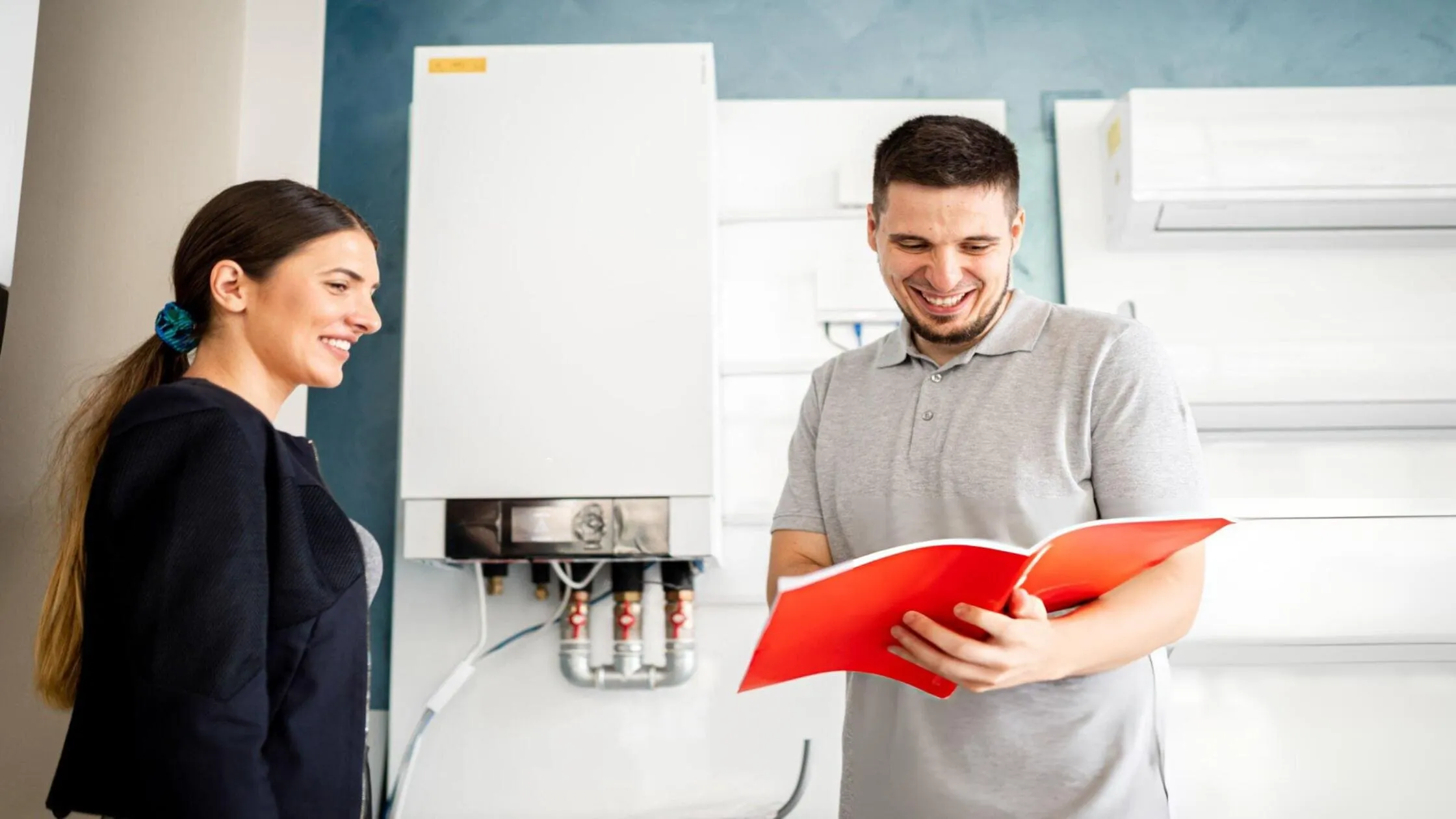
Understanding the inspection workflow helps both parties navigate the event with minimal friction and stress. Here are several inspection steps a landlord can refer to:
1. Step 1 - Official Notification
The process must begin legally. You cannot just waltz into a tenant's home. You must provide a notice of apartment inspection. Standard practice, and often the law, requires 24 to 48 hours' written notice. Respecting tenant rights during apartment inspection procedures starts with providing proper written notice, usually 24 to 48 hours in advance.
This respects the tenant's privacy and gives them time to prepare. Who does apartment inspections? Usually, the property manager, but they must identify themselves in this notice.
2. Step 2 - Preparation Phase
Once the date is set, both sides prepare. The landlord prepares their checklist and keys. The tenant should tidy up. While it is not a white-glove test, a clean apartment makes it easier to inspect the floors and walls. We recommend tenants crate their pets to ensure the animal's safety and the inspector's focus. This preparation sets the tone for a professional interaction.
3. Step 3 - The Walk-Through
The actual event is usually brief. Knowing what happens during an apartment inspection allows the property manager to conduct the walkthrough efficiently and professionally.
How long does an apartment inspection take? Typically, 15 to 30 minutes for a standard unit. The inspector moves room by room, testing items and taking notes or photos. It is efficient and non-intrusive if done correctly. If the tenant is present, they can point out issues; if not, the inspector simply does their job and locks up.
4. Step 4 - Post-Inspection Follow-Up
The job isn't done when the door closes. If issues were found, a follow-up is necessary. This might mean scheduling a plumber or sending a notice to the tenant to correct a lease violation. If the inspection reveals illegal activity or severe damage, it might trigger a more serious process.
Understanding how long an eviction stays on record is important here, as failed inspections can be the first step toward lease termination. Conversely, a clean inspection should result in a "thank you" note to the tenant, reinforcing good relations.
Tips for Tenants and Landlords During Inspections
Mutual respect and thorough preparation are critical for a seamless inspection. Whether you are a resident protecting your home or an owner safeguarding an investment, the right mindset eliminates stress. Here are our expert strategies to ensure a professional and effective experience for everyone.
Tenant Tips for a Smooth Inspection
For residents, the key is to view the inspection not as an intrusion but as an opportunity to demonstrate your reliability and ensure your home remains in top shape.
- Accept the Norm: Are apartment inspections normal? Yes, they are standard industry practice, so do not take the visit personally.
- Be Proactive: If you know the sink is leaking, tell the landlord before they find it. Reporting issues early shows you care about the unit.
- Clear the Way: Tidy up your apartment so the inspector can easily access windows, the HVAC closet, and under-sink areas.
- Secure Your Pets: Crating your pets ensures their safety and allows the inspector to work without distraction.
- Think Ahead: Maintaining a good inspection record is vital. It proves you are a responsible steward, which helps you pass a background check for an apartment rental in the future.
- Be Present: If possible, be home during the visit. This allows you to verify what the inspector sees and ensures your perspective is heard immediately.
Landlord Tips for Conducting Inspections
For property managers, the goal is to rigorously assess the asset without disrupting the tenant's quiet enjoyment of their home or damaging the relationship.
- Prioritize Respect: This is your greatest tool. Always knock before entering, even if you have already provided legal notice.
- Set Expectations: Clearly explain to your tenant beforehand what an apartment inspection entails so they know exactly what you will be checking.
- Hands-Off Policy: Do not touch personal items unless absolutely necessary for the inspection (e.g., moving a suitcase to check a vent).
- Be Efficient: Move quickly and efficiently through the unit. Do not linger longer than required.
- Smart Documentation: Use digital tools to capture photos of only the needed repairs; never photograph the tenant’s private life or personal belongings.
- Foster Retention: Remember, this is their home. Conducting a respectful inspection fosters a long-term tenant relationship, which is the most profitable asset you can have.
Conclusion
We hope this guide has thoroughly answered what an apartment inspection is and alleviated the stress often associated with it. Whether it is a routine annual apartment inspection or a critical move-out check, these evaluations are essential for the health of the rental ecosystem. They protect the physical property, ensure legal compliance, and ensure the safety of everyone living in the building.
For tenants, it is a chance to show you are a great resident and get repairs done. It is an essential step in asset protection for landlords. We at LeaseRunner offer the resources and expertise needed to ensure these procedures run smoothly. Knowing the "what," "why," and "how" of inspections will help you approach the next knock on your door with confidence as an informed resident or manager rather than fear.
FAQs
1. Do Landlords Care if Your Apartment is Messy?
Generally, no. Landlords are looking for damage and lease violations, not clutter. However, if the mess is so severe that it attracts pests, blocks exits, or causes damage (like hoarding), it becomes a lease violation and a safety issue.
2. Why Do Apartments Do Inspections?
Landlords conduct inspections to ensure the property is safe, habitable, and in good condition. They also verify that tenants are complying with the lease terms, such as no unauthorized pets or smoking.
3. How Long Does an Apartment Inspection Take?
The majority of routine inspections are brief, taking 15 to 30 minutes. Depending on the unit's size and the level of thoroughness required, a more thorough move-in or move-out inspection could take up to an hour.
4. Are Apartment Inspections Legal?
Yes, they are legal. Standard leases and local laws allow landlords to enter for inspections provided they give proper notice (usually 24-48 hours) and do not abuse the right to entry or harass the tenant.
5. How often does an apartment inspection happen?
This varies by management, but an annual apartment inspection is the industry standard. Some properties may be inspected quarterly (every 3 months) to change air filters and check smoke detectors.
Disclaimer: The information provided in this post is intended for general informational and educational purposes only. It should not be construed as legal, accounting, or tax advice. For guidance specific to your situation, we recommend consulting with a qualified professional in the relevant field before taking any action based on the content provided.