Normal wear and tear vs. damage describes the difference between expected property aging from normal use and damage caused by tenant actions beyond reasonable living. This distinction determines whether repair costs can be deducted from a security deposit and how landlord-tenant disputes are resolved under the law.
This guide explains clear definitions, practical examples, legal responsibility, and best practices to help landlords manage rental properties correctly and stay compliant.
What Is Normal Wear and Tear?
The definition of wear and tear refers to the natural, unavoidable deterioration of a rental property that occurs from ordinary, everyday use over time. This type of decline happens even when a tenant takes reasonable care of the unit.
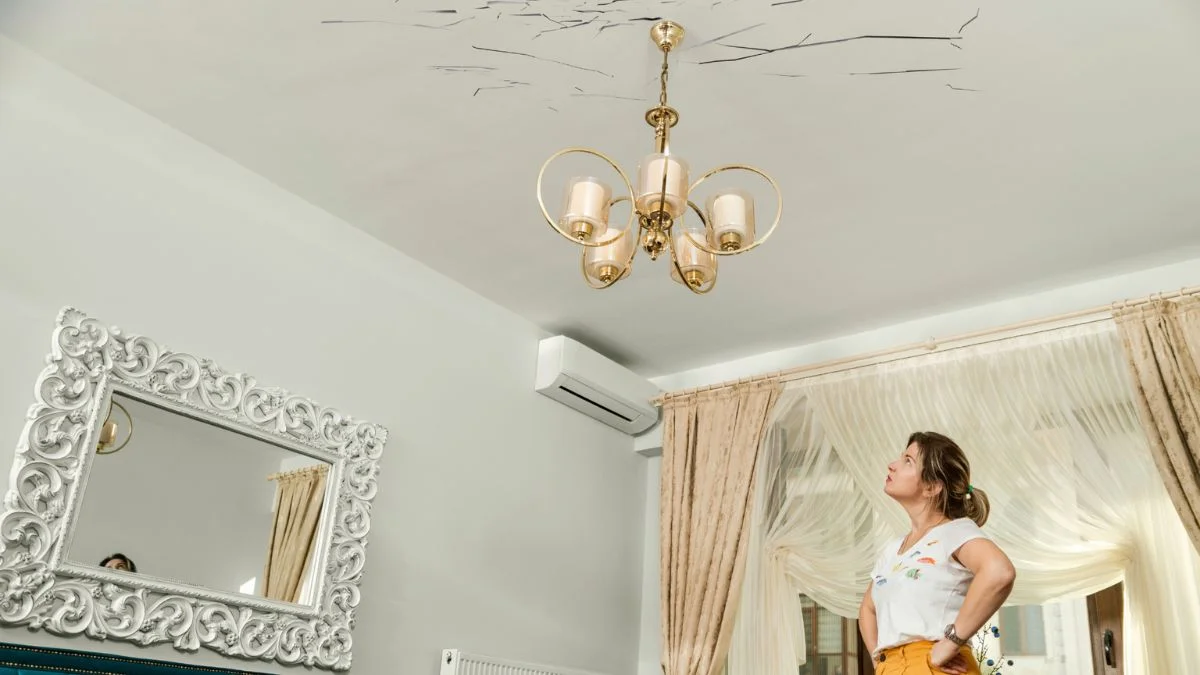
Normal wear and tear is expected. Courts generally recognize that rental properties age, materials lose strength, and surfaces show signs of use. Because it is unavoidable, landlords cannot charge tenants for normal wear and tear.
Legal Framework
Most state landlord-tenant laws follow similar principles:
- Wear and tear occurs without negligence
- It results from reasonable use
- It increases with length of tenancy
- It does not involve abuse, neglect, or intentional acts
For example, Massachusetts General Laws Chapter 186 §15B prohibits deductions for normal wear and tear from security deposits. California Civil Code §1950.5 uses nearly identical language. While wording differs by state, the legal outcome is consistent.
Examples of Wear and Tear
Common examples of wear and tear include:
- Minor scuff marks on walls
- Faded paint from sunlight
- Light carpet matting in high-traffic areas
- Loose door handles due to age
- Small nail holes from hanging pictures
A key question landlords often ask is: is paint normal wear and tear?
In most cases, yes. Fading, small marks, or slight discoloration after several years are typically considered normal.
Similarly, is painting considered normal wear and tear? Routine repainting between long-term tenancies is generally classified as maintenance, not tenant damage.
What Is Considered Damage?

Damage refers to physical harm to the rental property caused by negligence, misuse, or intentional actions. Unlike wear and tear, damage is not inevitable. It is preventable and often sudden.
Damage goes beyond aging. It usually requires repair or replacement before the unit can be re-rented.
Legal Definition of Damage
Courts typically define damage as:
- Caused by carelessness or abuse
- Not consistent with normal use
- Occurring faster than expected
- Reducing property value beyond age-related decline
When damage occurs, landlords are usually entitled to deduct repair costs from the security deposit, provided documentation is sufficient.
Examples of Damage to Rented Property
Clear damage to rented property includes:
- Large holes in walls
- Broken doors or windows
- Missing appliances
- Burn marks on countertops
- Unauthorized alterations
Another common issue involves moisture. Water damage to rental property, such as soaked flooring caused by ignored leaks or overflowing tubs, is almost always classified as tenant-caused damage.
Common Examples of Normal Wear and Tear vs. Damage
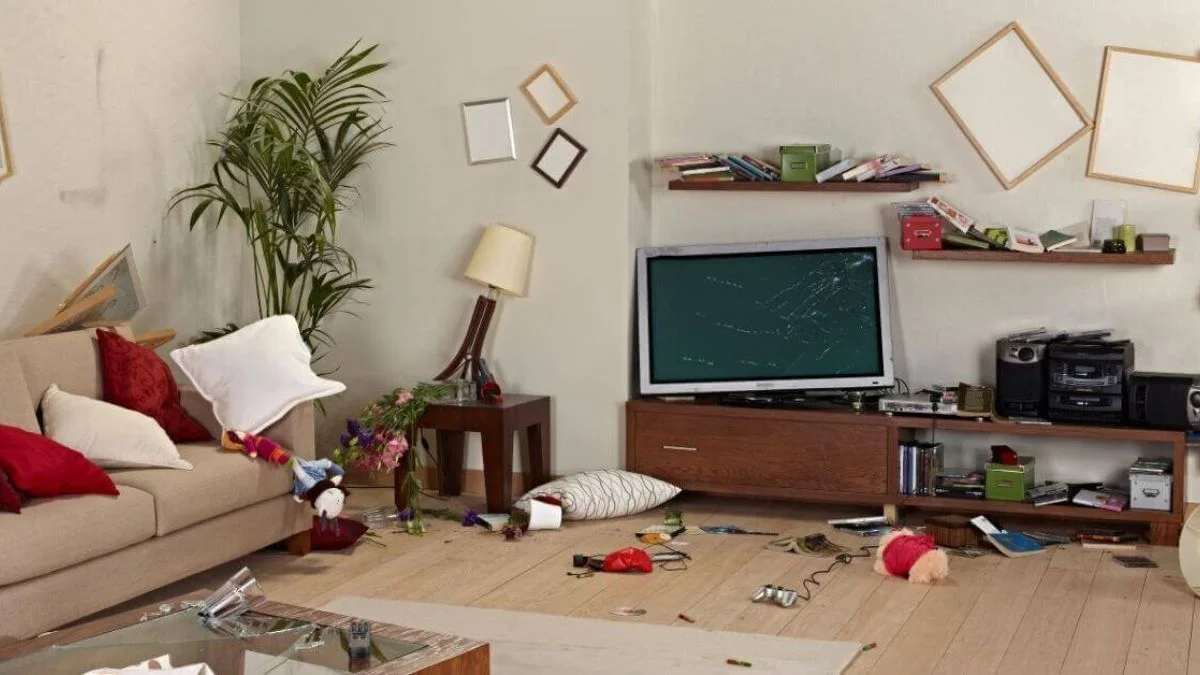
To provide clarity, let’s look at specific scenarios frequently encountered during turnover inspections.
Walls and Paint
Walls and paint are among the most frequently disputed elements at move-out. Because they are constantly exposed to light, air, and daily activity, some level of change is inevitable.
Normal wear and tear typically includes:
- Paint fading due to sunlight exposure
- Light scuff marks from furniture or foot traffic
- Small nail or pin holes from hanging pictures
- Minor touch-up needs after long-term occupancy
These conditions occur even when tenants exercise reasonable care. This is why courts often agree that is paint normal wear and tear can be answered yes when deterioration reflects time and ordinary use.
Damage, however, involves conditions that go beyond normal aging:
- Crayon, marker, or permanent stains on walls
- Large or excessive holes requiring patching
- Unauthorized paint colors or murals
- Water-stained or mold-damaged drywall caused by unreported leaks
This distinction also answers is painting considered normal wear and tear. Routine repainting due to fading or light marks is considered landlord maintenance. Repainting due to tenant misuse or unauthorized alterations may qualify as damage and justify a deduction.
Flooring
Flooring disputes are common because floors experience constant use and have clearly defined life expectancies. The normal wear and tear vs damage floor distinction often determines whether a deduction is legally defensible.
Wear and tear examples include:
- Carpet flattening or light matting in walkways
- Minor surface scratches on hardwood or laminate
- Slight discoloration from age or sunlight
- Normal loosening of floorboards over time
These conditions reflect ordinary foot traffic and are expected during occupancy.
Damage to flooring typically involves:
- Pet urine stains or odors embedded in carpet
- Burns, tears, or large stains requiring replacement
- Deep gouges in hardwood caused by dragging furniture
- Warped or buckled boards due to standing water or neglect
Courts frequently rely on industry life expectancy standards when reviewing flooring claims. For example, carpet generally has a useful life of 5 to 7 years. If a tenant occupied the unit for that period, charging for full replacement after normal aging is rarely upheld.
Blinds and Window Coverings
A frequent question is: are broken blinds normal wear and tear?
- Loose cords or faded slats over time may qualify as wear
- Bent, snapped, or missing blinds usually indicate damage
This leads to another key issue: who is responsible for blinds in a rental property?
Responsibility depends on cause. Age-related failure falls on the landlord. Tenant misuse shifts responsibility to the renter.
Landlords also commonly ask how much do apartments charge for broken blinds. Charges typically range from $25 to $75 per blind, depending on size, material, and installation costs. However, these charges are only defensible when documentation clearly shows tenant-caused damage rather than normal aging.
Key Difference Between Wear and Tear and Damage
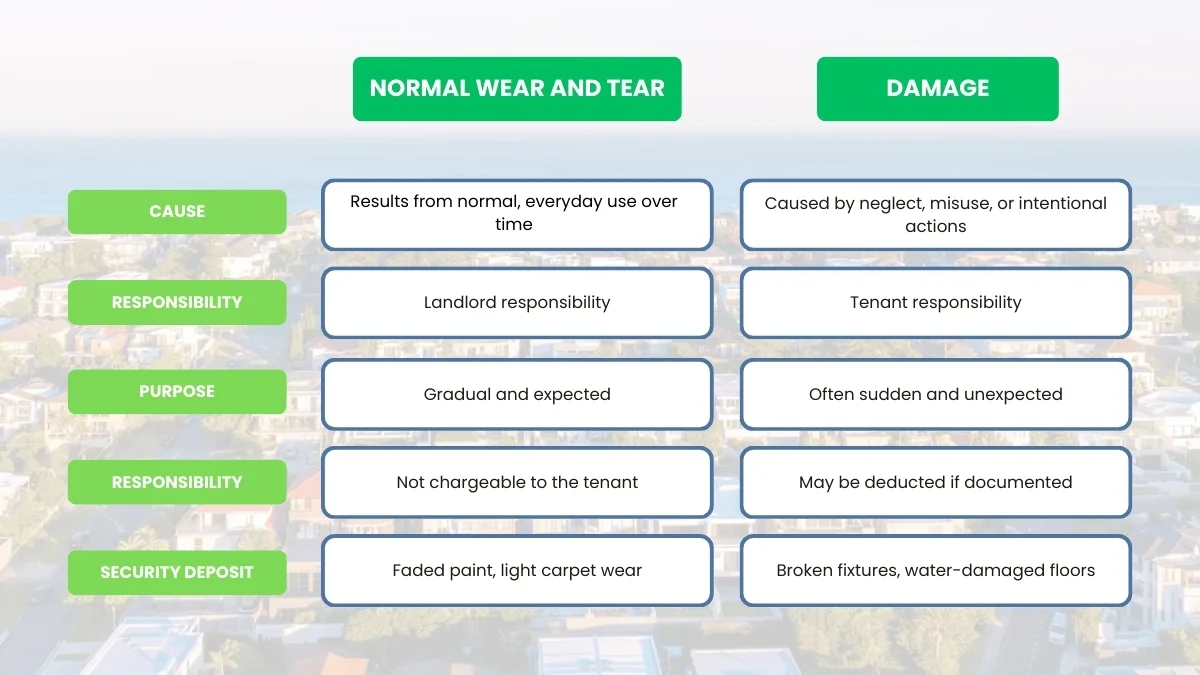
The difference between wear and tear and damage can be summarized across three dimensions.
1. Cause
The first and most fundamental difference lies in how the issue occurs.
- Normal wear and tear results from ordinary, everyday living. It happens even when tenants use the property responsibly and follow the lease terms. This type of deterioration is unavoidable and increases gradually as time passes.
- Damage, on the other hand, occurs when a tenant’s actions go beyond reasonable use. It is typically caused by carelessness, neglect, misuse, or intentional behavior.
For example, gradual carpet flattening from daily walking is wear and tear, while pet urine stains are damage. Similarly, faded blinds from sun exposure are normal, while snapped or missing slats usually result from misuse.
2. Responsibility
Responsibility is where wear and tear and damage create the biggest legal and financial difference for landlords.
- Landlords are responsible for normal wear and tear
- Tenants are responsible for damage beyond normal use
This distinction directly affects whether a landlord can charge for normal wear and tear. In nearly all jurisdictions, landlords cannot deduct costs for wear and tear from a security deposit.
In contrast, landlords are generally allowed to charge tenants for:
- Repairs caused by negligence
- Replacement of damaged items (adjusted for depreciation)
- Cleaning or restoration required due to misuse
This is why understanding can landlords charge for normal wear and tear is critical. Courts consistently rule against landlords who attempt to shift ordinary maintenance costs onto tenants.
3. Predictability
Another key difference is how expected the issue is over time. Wear and tear is predictable and gradual.
Landlords can reasonably anticipate it based on:
- Length of tenancy
- Number of occupants
- Type of materials used
- Normal household activity
For example, paint fading or carpet matting after several years is expected and budgeted as part of property ownership.
Damage is often sudden and unexpected. It usually occurs due to a specific event or pattern of neglect, such as:
- Water damage from an unreported leak
- Broken blinds from rough handling
- Stained flooring caused by pets or spills
Because damage is not inevitable, it is treated differently under the law and is typically chargeable to the tenant.
How Damage Affects Security Deposits and Lease Agreements
Security deposits exist to cover unpaid rent and tenant-caused damage. However, misuse of deposits is one of the most common reasons landlords face legal disputes.
Landlords should understand can landlords charge for normal wear and tear is almost universally answered in the negative.
Allowable Deductions
Typically allowed deductions include:
- Unpaid rent
- Cleaning beyond normal use
- Repairs for tenant damage
- Replacement of damaged items (adjusted for depreciation)
LeaseRunner’s guide on what landlords can deduct from a security deposit provides a detailed breakdown.
Life Expectancy Matters
Courts rarely allow landlords to charge full replacement cost. Instead, deductions are prorated based on remaining useful life. Charging full price for a ten-year-old carpet is rarely upheld.
Understanding how much is a security deposit for an apartment also helps landlords manage expectations and compliance.
How Tenants Can Minimize Wear and Tear on Rental Properties
While landlords cannot control daily tenant behavior, lease clauses and education can reduce long-term deterioration.
Encourage Routine Cleaning and Basic Upkeep
Regular cleaning plays an important role in slowing down normal wear and tear and preventing damage from developing.
Simple habits can make a noticeable difference over time, such as:
- Vacuuming carpets and rugs to reduce fiber breakdown
- Wiping down kitchen and bathroom surfaces to prevent staining
- Cleaning spills promptly to avoid permanent floor or countertop damage
- Removing trash regularly to prevent odors and pest issues
When tenants maintain basic cleanliness, materials last longer and the property remains closer to its original condition.
Promote Prompt Reporting of Maintenance Issues
Delayed maintenance is one of the most common causes of avoidable damage. Minor problems can quickly turn into major repairs when they go unreported.
Landlords should encourage tenants to report issues such as:
- Leaking faucets or pipes
- Slow drains or toilet malfunctions
- Moisture buildup or water stains
- Electrical outlets that stop working
- Appliances that behave abnormally
Early reporting allows landlords to address problems before they cause water damage to rental property, mold growth, or structural deterioration.
Provide Clear Guidance on Appliance Use
Appliances experience wear over time, but misuse often leads to premature failure.
Clear instructions help reduce unnecessary damage, including:
- Proper use of dishwashers and washing machines
- Avoiding overloading appliances
- Using ventilation fans when cooking or showering
- Following manufacturer guidelines for filters and settings
When tenants understand how to use appliances correctly, breakdowns are less frequent and disputes over responsibility become easier to resolve.
Clarify Maintenance and Reporting Procedures
Confusion about who handles what often leads to neglect. Clear procedures help prevent misunderstandings.
Landlords should clearly communicate:
- How maintenance requests should be submitted
- Expected response times for non-emergency repairs
- What qualifies as an emergency
- Who to contact outside normal business hours
Well-defined processes reduce the risk that small maintenance concerns will be ignored and later classified as tenant-caused damage.
Reinforce Care for Floors, Walls, and Fixtures
High-traffic areas are especially vulnerable to accelerated wear. Small precautions can extend their lifespan.
Helpful reminders include:
- Using furniture pads to prevent floor scratches
- Avoiding dragging heavy items across flooring
- Limiting excessive wall hangings
- Reporting loose fixtures before they break
These practices help minimize disputes over normal wear and tear vs damage floor and fixture-related claims.
Track Patterns Through Accurate Documentation
Consistent documentation allows landlords to identify early warning signs of neglect or misuse.
Tools such as a detailed rent ledger help track:
- Missed or late payments
- Repeated maintenance requests
- Unusual repair frequency
- Patterns that may suggest poor property care
Over time, this information supports fair decision-making and provides valuable context if disputes arise.
Tips for Landlords to Manage and Address Wear and Tear
Effective property management balances fairness with asset protection.
1. Document Property Condition (The “Paper Trail”)
Move-in and move-out inspections with photos, timestamps, and written checklists form the foundation of any deposit claim. Documentation often determines the outcome in disputes.
2. Implement Preventative Maintenance
Routine inspections identify early signs of water damage, appliance wear, and safety hazards. Preventative maintenance reduces both wear and unexpected damage.
3. Choose Durable, Low-Maintenance Materials
Hard-surface flooring, semi-gloss paint, and commercial-grade fixtures withstand daily use better than cheaper alternatives. Higher upfront costs often reduce long-term losses.
4. Foster Tenant Partnership
Clear communication encourages tenants to report issues early. Educated tenants are less likely to cause avoidable damage.
When serious issues arise, landlords may need to understand how to handle problematic renters, including how to report a bad tenant to a credit bureau, when legally appropriate.
5. Follow Life Expectancy Guidelines
Using standardized depreciation schedules demonstrates fairness. Courts respond favorably when landlords apply consistent, reasonable calculations.
The IRS and HUD provide "Useful Life" tables.
For example:
- Appliances: 10–15 years.
- Curtains/Blinds: 3 years.
- Paint: 3 years.
- Carpet: 5–7 years. If an item is older than its useful life, the owner usually cannot charge for its replacement, even if the resident damaged it.
Clarifying occupancy status also helps. LeaseRunner’s guide on tenant vs occupant explains how responsibility can shift depending on who causes damage.
Conclusion
Understanding the difference between normal wear and tear vs damage is essential for landlords who want to protect their rental properties while remaining compliant with landlord-tenant laws. Clear definitions, proper documentation, and consistent standards help reduce disputes, support lawful security deposit deductions, and create smoother lease transitions.
Managing wear and tear effectively also requires the right tools and reliable information. LeaseRunner supports landlords throughout the entire rental lifecycle—from tenant screening and lease management to financial tracking and compliance resources.
With practical guidance and landlord-focused solutions, LeaseRunner helps property owners make informed decisions, document property conditions accurately, and manage tenant relationships with greater confidence.
FAQs
Q1: Is repainting considered normal wear and tear?
Repainting is generally considered normal wear and tear when it is needed due to fading, light marks, or minor nail holes after a standard tenancy. However, repainting may be classified as damage if walls were excessively marked, painted unauthorized colors, or damaged by water or neglect. Landlords must also account for paint life expectancy when determining deductions.
Q2: Are nail holes in a wall normal wear and tear?
Small nail holes from hanging pictures are usually considered normal wear and tear, especially after a long tenancy. Large holes or excessive wall damage may be classified as tenant damage.
Q3: Are broken blinds normal wear and tear?
Broken blinds are not automatically normal wear and tear. If blinds fail due to age or normal use, replacement is usually the landlord’s responsibility. If blinds are bent, snapped, missing, or damaged due to misuse, the tenant may be responsible for the repair or replacement cost.
Disclaimer: The information provided in this post is intended for general informational and educational purposes only. It should not be construed as legal, accounting, or tax advice. For guidance specific to your situation, we recommend consulting with a qualified professional in the relevant field before taking any action based on the content provided.