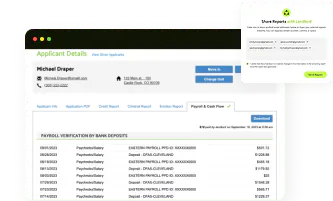
The best way to find tenants is a seven-step process. Landlords set written criteria, price the unit to the market, write a complete listing, and advertise where renters search. Then they reply fast, collect online applications, and screen every applicant the same way. Independent landlords can follow the same steps to find tenants without a realtor or property manager, and every step stays fair housing compliant.
Key takeaways:
- Price the rental against comparable properties and current local market rent.
- Write a complete listing with accurate pricing, fees, photos, policies, and availability.
- Advertise on major rental sites first, then add local groups and referrals.
- Reply quickly and use one online application for every lead.
- Screen every applicant with written criteria, applied the same way.
What Is the Best Way to Find Tenants?
The best way to find tenants is a structured leasing workflow that pairs targeted marketing with fair, consistent screening. Here is the seven-step framework property managers and independent landlords use to place qualified renters quickly.

1. Decide Who Qualifies Before You List
Screening criteria are the objective standards a landlord applies to every rental application. Writing them first is also the best way to find tenants who will stay. Most landlords cover minimum income and how it is verified, a credit standard, rental history and eviction history, a criminal background policy applied within state and local law, and occupancy, pet, and lease-term rules.
Landlords who set rules after meeting applicants risk unequal treatment, which is how fair housing complaints begin. A tenant screening checklist keeps every standard in one place, and publishing the criteria in the listing keeps unqualified leads from booking a showing.
2. Price the Unit Against Local Comps
Comps are comparable units that listed or leased recently. Pull three to five of similar size, condition, and location, then adjust for parking, laundry, and pet rules. An overpriced unit sits empty, and an underpriced one leaves money on the table every month. Our guide on how much rent to charge walks through the math.
3. Write a Listing That Answers Every Question
A strong listing answers the first questions renters ask: rent, deposit and move-in costs, location, availability date, pet rules, utilities, and how to apply. It also acts as the first filter, because applicants who miss the stated income or pet rules stay away. Use clear photos taken in daylight after cleaning and repairs, and keep the language about the home and the terms, never the type of person who should apply. The Fair Housing Act bars ads that show a preference or limit based on race, color, religion, sex, disability, familial status, or national origin, and small owners are not exempt from that advertising rule (Source: Cornell Legal Information Institute, 42 U.S.C. § 3604). For a full walkthrough, see how to list your house for rent.
4. Post Where Renters Actually Search
Renters search on major rental listing sites, so post there first. Rental listing syndication publishes one listing on many sites from a single account. Local channels then add reach the big sites miss, as the advertising section below explains.
5. Reply Fast and Book Showings
Renters contact many listings at once, and the first landlord to reply often wins the showing. A saved reply with the rent, availability date, screening criteria, showing windows, and application link keeps pre-screening consistent.
6. Collect Complete Applications Online
An online rental application collects identity, income, employment, and rental history in one form, plus the applicant's written consent for screening. Send every serious lead to the same online rental application so records stay clean and comparisons stay fair.
7. Screen for Fit and Affordability
Verify each applicant against the written criteria, then apply the same standard to everyone. The core checks are identity, income and employment, credit, eviction and criminal records within the limits of local law, and rental history with landlord references. When two applicants both qualify, a written rule such as "first complete application received" keeps the choice fair. Landlords who want the full method can read how to screen a tenant.
Federal law adds two duties. The Fair Credit Reporting Act requires a permissible purpose before a landlord pulls a consumer report, and a denial, higher deposit, or co-signer request based on the report requires an adverse action notice (Source: Federal Trade Commission). A single platform for tenant background screening keeps the checks, consent, and notices in one record.
What's Different About Finding Tenants in 2026?
Finding tenants in 2026 takes more effort than during the post-pandemic shortage. Vacancies are higher, and renters can compare more options. The best way to find tenants now pairs sharper pricing with clearer terms.

The national rental vacancy rate was 7.3% in the second quarter of 2026, compared with 5.6% in the second quarter of 2022 (Source: U.S. Census Bureau). Concessions followed: Zillow reported that 39.7% of its rental listings offered one in June 2026, up from 35.2% a year earlier (Source: Zillow Research). A short rent concession, such as a free month, can protect the base rent, and how to determine a vacancy rate shows whether one is needed at all.
Renters also compare total monthly cost, not only the advertised rent. An Apartments.com survey found that 81% of renters want the total price, fees included, and 46% of recent movers dropped a property after learning about surprise fees (Source: Apartments.com). Listings that state every required charge build trust and cut the number of leads who back out.
Where Should You Advertise Your Rental?
Advertise on at least one major rental listing site, then add local channels. The best way to find tenants for a rental property layers a few channels instead of relying on one.

- Major rental networks: Zillow Rental Network (Zillow, Trulia, HotPads), the Apartments.com network, Realtor.com and Redfin for single-family homes, and the Rent.com network.
- Social media and community groups: Facebook Marketplace, Nextdoor, and neighborhood groups. For a room in a shared house, roommate sites such as SpareRoom and Roomster draw better-matched inquiries.
- Yard signs, referrals, and word of mouth: a clean "For Rent" sign with a QR code, and a modest lease credit for current tenants who refer a qualified renter.
- Employers, hospitals, and universities: their housing or HR offices can send steady groups of renters who often need flexible lease terms.
- Niche platforms: local housing authority portals for Housing Choice Voucher holders, and furnished-housing sites for 30- to 90-day stays.
- Past leads: applicants who lost out on a prior unit and inquiries that never toured already know you, so a short email with the new listing often converts faster than a fresh ad.
How to Turn Inquiries Into Applications
Respond within hours, not days. Renters often contact several properties in one afternoon, so a 24 to 48 hour wait usually loses the applicant. Saved templates for email and text keep replies fast.
Pre-screen every lead the same way. Ask the same short questions in the same order: move-in date and lease length, number of occupants, household income versus the stated requirement, pets, and willingness to complete the application. Questions about race, religion, disability, or family plans have no place here. See these rental application questions for a fuller list.
Schedule showings that convert. Offer two or three set windows, a virtual tour for out-of-town leads, and the same terms for every visitor. Hand over the application link during the tour.
Make applying fast and affordable. A mobile-friendly online application removes printing and follow-up emails, and the fee should not exceed the actual screening cost. Fee rules vary by state. In Colorado, for example, landlords generally must accept a qualifying portable tenant screening report and cannot charge an application fee on top of it (Source: Colorado General Assembly, HB23-1099). Check state law before declining a report or setting a fee.
Conclusion
The best way to find tenants is a repeatable process, not a lucky post. Landlords who set criteria, price to the market, and publish a complete, fair listing attract qualified leads. Fast replies, simple online applications, and consistent screening then turn those leads into stable tenants. LeaseRunner keeps rental applications, tenant screening, lease agreements, and online rent collection in one workflow across all 50 states.
Disclaimer: The information provided in this post is intended for general informational and educational purposes only. It should not be construed as legal, accounting, or tax advice. For guidance specific to your situation, we recommend consulting with a qualified professional in the relevant field before taking any action based on the content provided.