The consequences of handling them poorly range from lost income to a derailed eviction process. A landlord who knows the rules, sets a firm policy, and documents every transaction stands on solid ground. One who simply reacts does not. This guide covers everything a landlord needs to correctly manage a partial rent payment, from local laws to daily best practices.
What are Partial Rent Payments?
A partial rent payment occurs when a tenant submits less than the total amount owed on or before the rent due date. At its core, it involves three components: the amount actually paid, the outstanding rent balance, and the date the funds arrived. Crucially, this short, on-time transfer is distinctly not a delayed transaction. Therefore, it does not instantly trigger a standard rent late fee upon arrival. These three details determine every legal option available to the landlord going forward.
This situation takes many forms. A tenant might pay $900 on a $1,200 monthly rent payment and promise to pay the remaining $300 within days. Another might wait until the final week of the month and offer only half. Some shortfalls are accompanied by a written explanation. Others arrive in silence. In some cases, the arrangement is even structured, a tenant-initiated installment plan with no agreement from the landlord.
Consider a tenant in a single-unit rental property who unexpectedly loses a shift at work. They send 70% of the month's rent with a handwritten note asking for a few more days. This is a partial rent payment in the most common sense. It arrives with good intent but leaves the landlord in a legally uncertain position if no formal steps follow.
A partial rent payment to the landlord is significant. Accepting the funds without documentation can signal acceptance of an unofficial new arrangement. It may blur the line between full rent payment and a modified obligation under the lease agreement. It can also affect the validity of any future eviction notice. Knowing this from the start is what separates a proactive landlord from a reactive one.
Why Do Tenants Request Partial Payments?

Tenants rarely offer short payments without a reason. Knowing the common triggers helps landlords respond with strategy rather than emotion.
Financial Hardship
Sudden crises, such as job loss or medical bills, are the most common reasons a tenant asks for a partial rent payment. When life gets expensive, a tenant might fall into rent arrears while trying to cover other costs, like their average utility costs. Paying partial rent is often an act of good faith, but you must be careful.
If the landlord accepts partial payment without a formal written notice, it can suggest a permanent rent reduction in court. Always use a signed payment agreement to track the rent balance.
Waiting for Funds
A timing gap in a paycheck or bank transfer often delays a full rent payment by just a few days. Before you worry about what happens if you pay partial rent, check your grace period on the rent terms. Even a minor delay requires an entry in the rent ledger and a rental receipt. This documentation protects you if rent arrears continue to grow. Keeping precise records ensures you remain in control of the situation.
Roommate Splits
When roommates have different pay cycles, an incomplete rental payment may unexpectedly appear in your account. Deciding whether you can split rent payments for individual roommates depends entirely on your specific lease agreement terms. Most contracts hold all tenants jointly liable for the full rent payment.
Clarifying how to split rent rules early helps you avoid a messy breach-of-lease later. Setting these firm boundaries during move-in saves you time and stress.
Prorated Rent
Prorated rent is a planned, adjusted amount for a tenant moving in or out during the middle of the month. This is a calculated partial rent payment based on daily occupancy. The daily rate serves as the base, while the move-in date acts as the variation.
For example, a tenant moving in on the 10th pays for 20 days. This meaning allows for a legal adjustment where no rent balance is actually owed. Understanding prorated rent helps keep your accounting clean.
Maintenance Disputes
A maintenance-based partial rent payment happens when a tenant deducts repair costs from their monthly dues. This is a high-risk area of landlord-tenant law known as “repair-and-deduct." Tenants might withhold funds for a broken heater or a leak. In this case, accepting a partial payment is not a good idea.
Accepting funds without a written notice can hurt your case. You must respond to the complaint immediately to prevent a breach-of-lease claim.
Strategic Avoidance
Some renters use a small payment as a tactic to stall or reset a legal eviction notice. This explains why landlords don't accept partial payments when a case is in court. In many states, taking even $10 can force you to restart the entire eviction process. If you suspect this, issue a past due rent notice immediately. Do not accept any cash without a signed document that protects your right to evict.
Budgeting Preference
Some tenants simply prefer to pay in two installments to match their bi-weekly income schedule. While this is not a crisis, you are not obligated to allow split rent payments for their convenience. A firm partial rent payment policy in the lease agreement prevents this issue from recurring. Ensure your rent due date rules are clear from day one. This prevents your team from having to chase a rent balance twice a month.
If a landlord accepts partial payment as an informal, undocumented arrangement, the original lease terms may later be considered modified. That is a legal risk worth avoiding entirely.
State-Specific Laws on Partial Rent Payments
State laws define the significant legal risks landlords face when handling a partial rent payment. In California, if a landlord accepts partial payment after serving a 3-day notice, that notice usually dies. According to California Code of Civil Procedure § 1161.1, taking money can waive your right to evict. A judge will quickly toss the case. You must then restart the costly eviction process from day one.
Conversely, Florida and Texas laws allow property owners to obtain short-term financing if they follow strict requirements. Under Florida Statute § 83.56(5), you can accept cash if you provide a specific written notice. This paper must state that the rent balance is still due immediately. Without this paper trail, mounting rental arrears become totally uncollectible in court. Your landlord's rent policy must comply with these rules exactly.
In most areas, refusing partial rent is a legal and safe choice. You never have to take less than the lease agreement requires. Under Texas Property Code § 24.005, you must clearly state if a partial payment eviction notice remains active. Always check your local landlord-tenant law before cashing a short rental payment. We advise reviewing these rules annually to stay safe.
Next, serve a proper partial-payment eviction notice in accordance with the local legal timeline. At LeaseRunner, our team urges property owners to review local landlord-tenant law annually to stay fully compliant.
Best Practices for Handling Partial Rent Payments
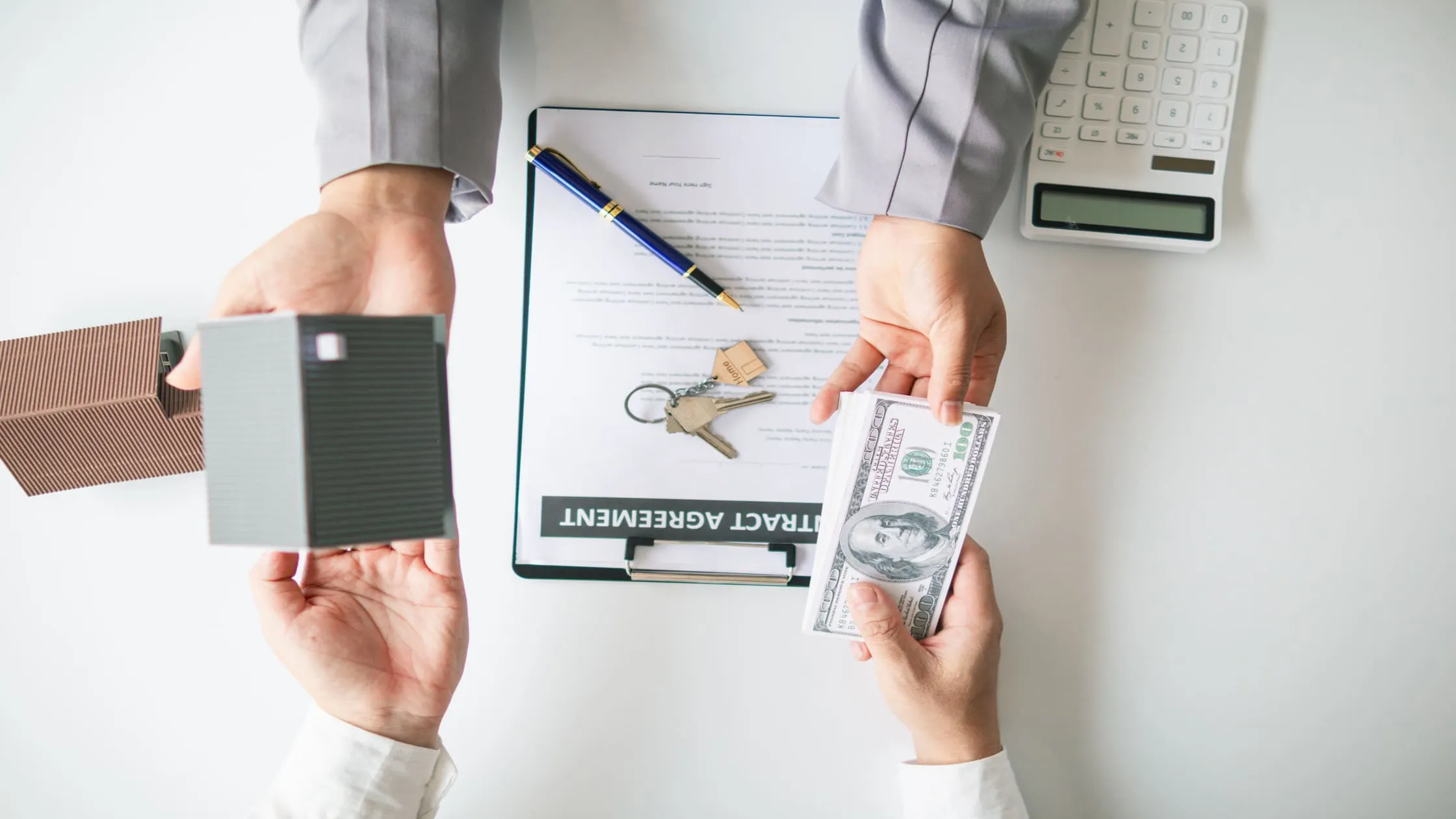
Handling short funds requires a highly strict plan. At LeaseRunner, our tools help landlords build a completely solid process. Let us look at the best steps.
Establish a Written Policy
You need a strict partial-payment policy for rent immediately. Put this rule inside your lease agreement on day one. Decide if your rent policy will ever allow short funds. If it does, set firm rules. Define the exact deadline for the remaining rent balance. For example, state that tenants must pay the remaining amount within three days. Clear rules stop bad habits. Tenants rarely test a firm, written boundary.
Sign a Payment Plan Agreement
Never accept a simple verbal promise. If you approve a short delay, sign a formal rent payment agreement. This paper must list the exact rental payment made and the remaining debt. Both sides must sign it. This binding partial rent agreement safely protects your business. It stops tenants from falsely claiming the debt is fully settled. For instance, if a tenant owes $500, the signed paper sets a strict Friday deadline.
Apply Late Fees Consistently
You must apply a standard rent late fee whenever you miss a full rent payment. Do this even if they pay half of the rent on the due date. Inconsistent rules totally ruin your authority. Here is highly useful advice: never deduct the fee directly from the rent money.
Always apply their cash to the actual rent principal first. Then, send a completely separate invoice for the fee. This brilliantly protects your legal eviction rights. Always check your local grace period on rent laws before charging.
Document Meticulously
Good records win court cases. You must log every single dollar into a formal rent ledger. Always hand the tenant a clear rental receipt. If cash is short, the receipt must clearly show the exact amount missing. Track all emails and texts. If rent arrears quickly grow, these papers easily prove your case. Without solid proof, judges often dismiss the lawsuit completely.
Be Aware of State Laws
You must thoroughly know your local landlord-tenant law. What happens if you pay partial rent depends totally on your specific state. In some towns, accepting partial payment instantly cancels your active eviction notice. You must start over. Other states require specific written notice to protect your rights. Always ask a local lawyer before acting. Read up on local rules annually.
Maintain Consistency
A fair property manager treats everyone equally. If you grant one tenant a pass, you must offer the same to others. Fair housing laws strictly demand this. You must manage a single house as if it were a massive apartment complex. Is partial payment a good idea without a fixed rule? Absolutely not. Consistently refusing partial rent is much safer.
Avoid Uncontrolled Payment Apps
Never let tenants pay via Venmo or Cash App. These apps totally lack controls. A smart tenant can force a partial rent payment through, instantly ruining your legal case. This creates a messy breach of the lease. Instead, use professional rent-collection software. Good platforms automatically block partial transfers completely. They also securely handle your admin fee and apartment billing.
Conclusion
Partial rent payment is something every landlord will face at some point in their career. How that moment is handled (from the initial short check to a potential eviction process) shapes the financial health of the entire rental property. Clear policies, consistent enforcement, careful documentation, and a firm understanding of local landlord-tenant law are the pillars of a strong response.
Refusing to pay partial rent without proper written notice creates problems. Accepting partial payment without documentation creates different ones. The answer is preparation, long before the problem arrives. LeaseRunner equips landlords with the tools to handle every rent payment situation with clarity and confidence, from customizable lease terms to automated rent ledger tracking to seamless online rent collection online.
FAQs
Q1. What are the risks of accepting partial rent payments?
Accepting partial payment without proper documentation carries real legal risk. In many states, doing so without a written notice confirming the balance remains owed may be treated as full satisfaction of the debt. This can waive the landlord's right to issue an eviction notice for non-payment.
Additionally, a pattern of paying partial rent that goes unchallenged may suggest to a court that the landlord informally agreed to a lower monthly rate. Every partial rent payment should be logged in the rent ledger, paired with a rental receipt that clearly notes the outstanding rent balance, and followed by a signed payment agreement if an installment plan is in place.
Q2. Do late fees apply if only partial rent is paid?
Yes, in most cases. If a full rent payment is not received by the rent due date, a late fee typically applies to the outstanding balance, provided the lease agreement includes this clause and state law permits it. Landlords should review rent-late fee regulations in their jurisdiction. Consistent enforcement is critical. Waiving the fee even once sets a precedent that weakens future enforcement and signals to the tenant that the policy can be negotiated.
Q3. What should be included in a partial rent payment agreement?
A solid partial rent agreement should include the total amount owed, the amount already paid, the remaining balance, and a clear payment schedule with specific due dates. It should state that the original lease agreement remains in full force, that the partial rent payment does not constitute full satisfaction of the debt, and that failure to meet the agreed schedule may result in an eviction notice.
Both the landlord and tenant should sign and date the document before any further payments are exchanged. LeaseRunner allows landlords to create, sign, and store these agreements digitally for fast, easy access.
Q4. How can I avoid partial rent payments in the future?
Prevention starts with rigorous tenant screening and clear lease terms. A thorough background check, a firm rent payment agreement included in the lease, and an established partial rent payment policy (explained clearly at signing) all reduce the likelihood of short payments arising.
Collecting first and last month's rent upfront provides a financial buffer if a tenant falls behind. Using online rent collection allows landlords to monitor every payment in real time, catching shortfalls early before they escalate into larger, more costly disputes.
Q5. Can partial rent payments affect a tenant's credit score?
This depends on whether the landlord reports rental payment history to a credit bureau. Most individual landlords do not report directly, but many property managers and large apartment complexes use third-party reporting services that do. If a landlord reports rent arrears or a recurring pattern of short payments, this can negatively impact the tenant's credit score over time.
Landlords who incorporate credit reporting into their landlord-tenant policy should clearly disclose this in the lease agreement from the start. Used transparently, it can serve as a meaningful deterrent for tenants who might otherwise consider strategic non-payment.
Disclaimer: The information provided in this post is intended for general informational and educational purposes only. It should not be construed as legal, accounting, or tax advice. For guidance specific to your situation, we recommend consulting with a qualified professional in the relevant field before taking any action based on the content provided.