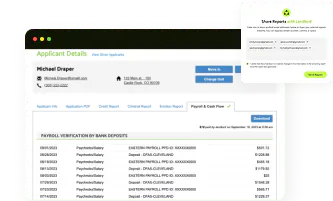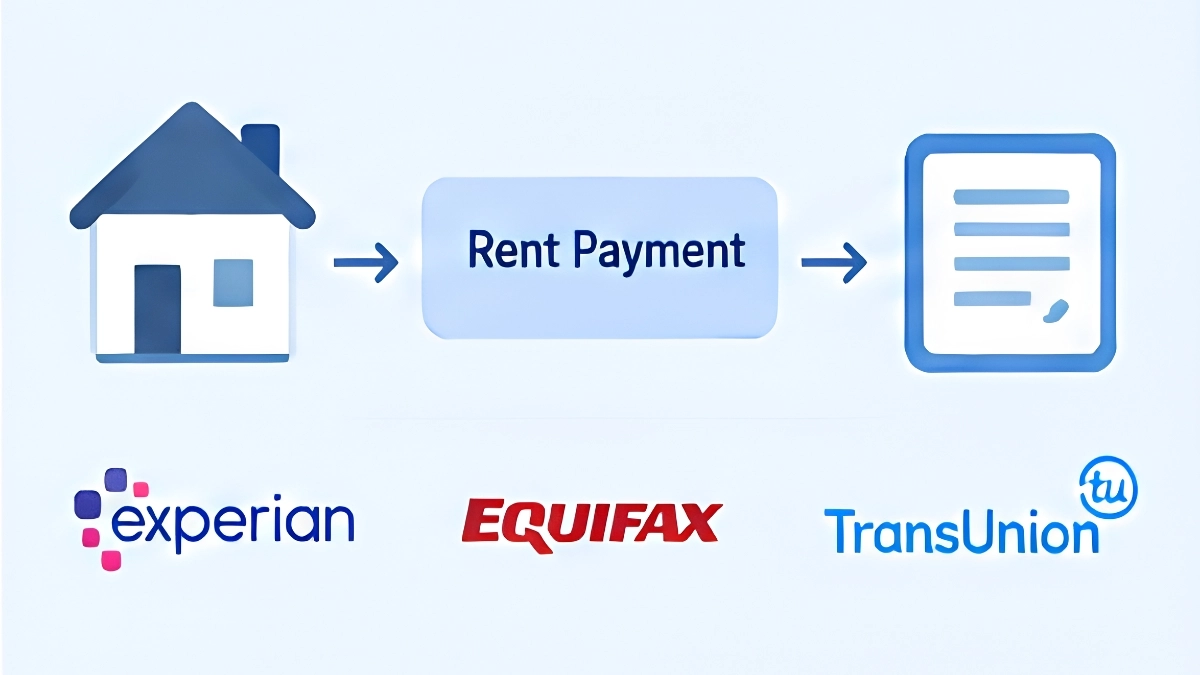
Rent reporting services send on-time rent payments to credit bureaus, where they appear as a rental tradeline (a rent account on a credit file). Rent is not reported by default. A service, landlord, or platform has to send it. This guide compares nine rent reporting services for renters and landlords, covering how they work, what they cost, and which rules apply, using prices published in October 2026.
Key takeaways
|
What Is a Rent Reporting Service
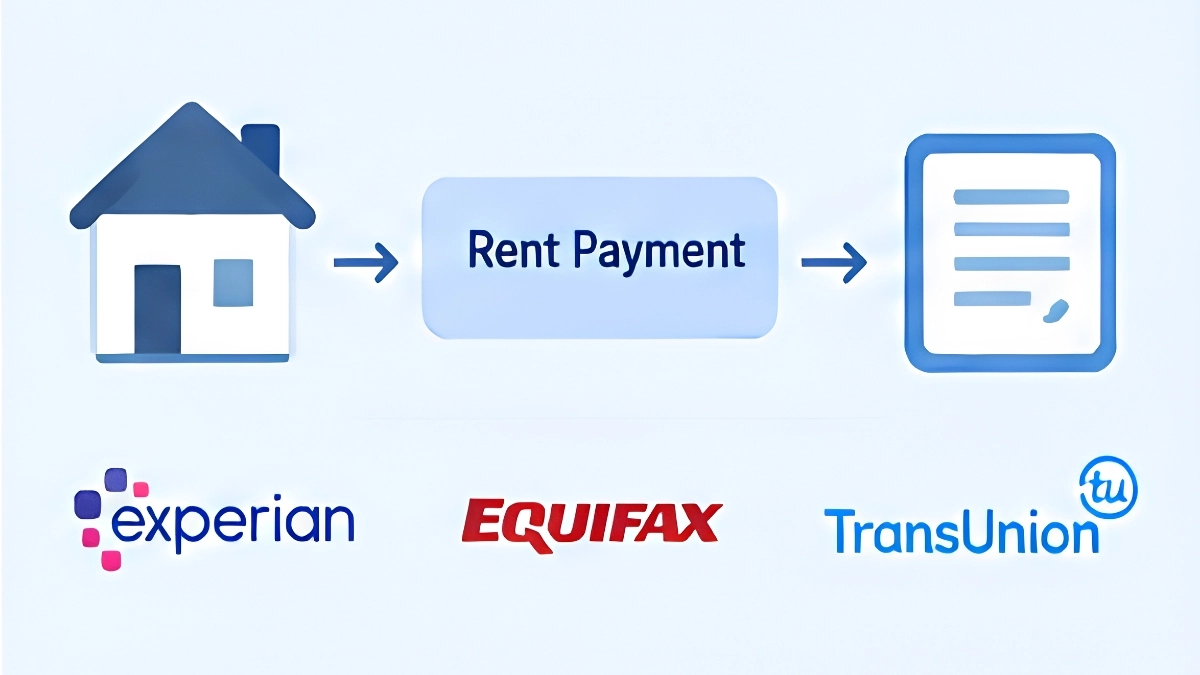
A rent reporting service is a company that sends rent payment data to credit bureaus so the payments show up on a credit report. The three bureaus are Equifax, Experian, and TransUnion. The company that sends the data is called a data furnisher.
- Bureaus: Most services report to all three, though some report to only one or two.
- Positive-only data: Most renter-paid services report on-time rent only, so a late month does not add a negative mark.
- Past rent: Many services can add up to 24 months of past rent for a one-time fee.
- Score impact: A 2021 TransUnion analysis found an average gain of nearly 60 points, while Experian estimated about 19 points for Boost users. Results vary widely.
So, does paying rent on time build credit? Only if someone reports it. Experian says rent seldom appears on credit reports because few landlords report it. Not every score counts rent, either. VantageScore 4.0, FICO 9, and FICO 10T can use rental tradelines, while classic FICO 8 generally does not. Source: Experian RentBureau FAQ; HousingWire.
Renters with a thin credit file (few accounts) or no file at all gain the most, because rent adds data where little exists. Renters applying now may also want to know how to rent an apartment without credit.
How Does Rent Reporting Service Work?
A rent reporting service checks a lease and rent payments, then sends the payment data to the bureaus each month. The steps look alike across providers:
- Enroll and verify identity. The renter, or the landlord on a platform, enters lease details and confirms identity.
- Verify the rent. Some services link a bank account and spot the payments. Others ask the landlord to confirm the lease and payment history.
- Report the data. The provider sends payment records in Metro 2, the standard data format furnishers use.
- Wait for the bureaus. Boom says a credit report can update in as few as 10 days, and bureaus may take up to 30 days after verification.
Many services also add past rent through a 24-month lookback. Payment history is one of several score factors, and the guide on what factors affect a credit score explains how the rest fit together.
Federal law sets guardrails once data flows. Under the Fair Credit Reporting Act (FCRA), a furnisher cannot report information it knows, or has reasonable cause to believe, is inaccurate, and it generally must investigate a dispute within 30 days. Source: Cornell Legal Information Institute, 15 U.S.C. § 1681s-2.
What Are the Pros and Cons of Rent Reporting Services?
Rent reporting can build credit history for renters and encourage on-time payment for landlords. It also adds fees, admin work, and uneven score results.
Pros and cons for renters
- Credit without new debt. On-time rent becomes positive history without a loan or card.
- Possible score lift. Averages hide wide variation, so treat any gain as a possibility, not a promise.
- Mortgage readiness. Since September 2021, Fannie Mae's Desktop Underwriter can weigh positive rent history when bank records show consistent payments.
- Fees. Most paid services charge monthly or annual fees, and some add setup or past-rent fees.
- Landlord involvement. Some providers need the landlord to confirm the lease or use a set platform.
- Model gaps. Not every score counts rent, so results vary by lender.
Pros and cons for landlords
For landlords, offering rent reporting can encourage on-time payment and help a property stand out. TransUnion reported that a quarter of residents whose payments were reported cut late payments by up to 50%. Source: NAAHQ summarizing TransUnion.
The costs are mostly operational. A landlord that furnishes data takes on accuracy and dispute duties under the FCRA, and reporting late rent adds dispute risk. Rent reporting rewards renters over time but does not help a landlord judge a thin-file applicant at the application stage. LeaseRunner's RS³ rental screening score fills that gap by scoring applicants from 300 to 850 using verified bank data and the specific rent amount.
Rent Reporting Services Options Comparison Table
The table compares nine rent reporting services by cost, bureaus, and who must act. Prices come from each provider's published pages in October 2026 and can change.
| Platform | Who signs up | Published price | Bureaus | Landlord needed? |
| Boom | Renter | $5/mo billed $60/yr; $25 one-time past reporting | Experian, Equifax, TransUnion | No |
| RentReporters | Renter | $94.95 setup + $10.95/mo or $105/yr | Equifax, Experian, TransUnion | Yes, or bank link |
| Rental Kharma | Renter | $75 enrollment + $8.95/mo | TransUnion, Equifax | Yes |
| Experian Boost | Renter | Free | Experian only | No |
| Self | Renter | Free rent-only; $6.95/mo with utility and phone bills | Experian, Equifax, TransUnion | No |
| TurboTenant | Renter, via landlord platform | $4.99/mo | TransUnion | No |
| Avail CreditBoost | Renter, via landlord platform | $3.95 per reported month | TransUnion | Yes |
| Esusu (via Zillow CreditClimb) | Renter or property manager | $20/yr for renters; landlord pricing not published | TransUnion, Experian, Equifax | No |
| FrontLobby | Landlord | $239/yr Premium (20 leases/mo) | Equifax and Landlord Credit Bureau | Yes |
Source: Boom; RentReporters; Rental Kharma; Experian Boost; Self; TurboTenant; Avail; Zillow; Esusu; FrontLobby.
Rent Reporting Services Renters Can Sign Up
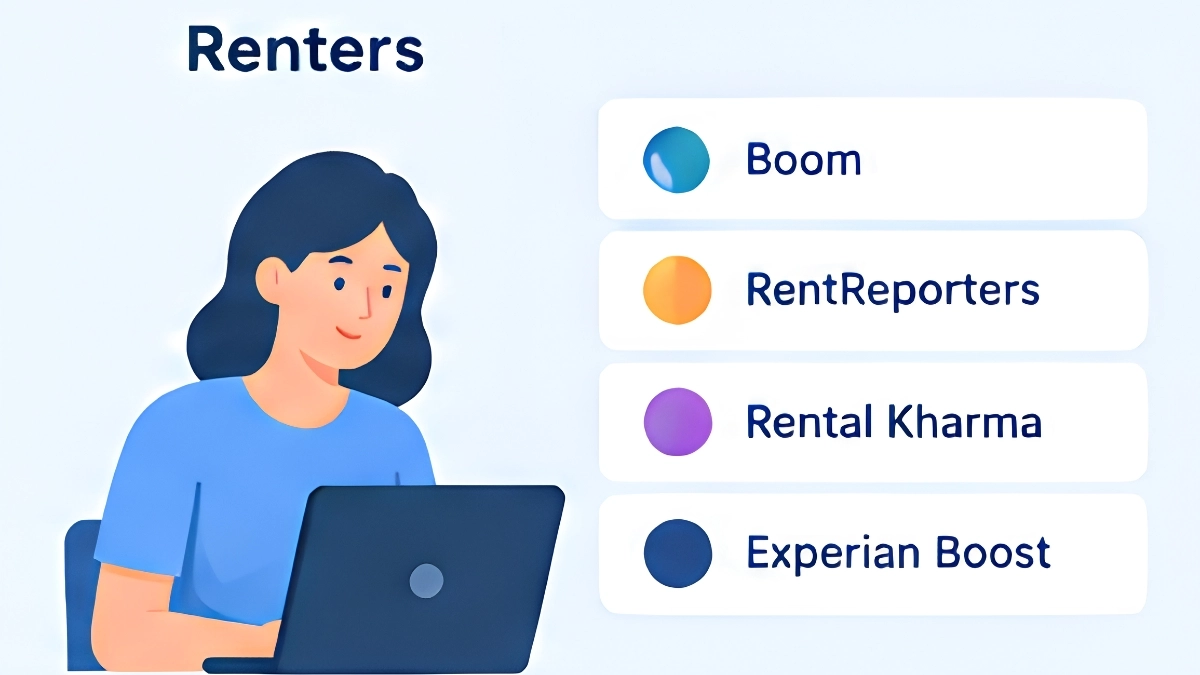
Renters can sign up directly with Boom, RentReporters, Rental Kharma, Experian Boost, or Self. The first three are paid. Experian Boost and Self's rent-only plan are free, but Experian Boost is limited to Experian.
Boom
Boom sends on-time rent to all three bureaus for $5 a month, billed as $60 a year. An optional $25 add-on reports up to 24 months of past rent. Renters link the bank account they pay rent from, and Boom accepts rent paid by Zelle, Venmo, Cash App, ACH, or check when it traces to that account. It reports only on-time payments, runs no credit pull, and offers a 7-day money-back guarantee.
RentReporters
RentReporters charges a one-time $94.95 setup fee plus $10.95 a month, or $105 a year. It reports to all three bureaus and includes up to two years of past rent on the current lease. The company confirms rent with the landlord, the property manager, or a connected bank account. Older reviews describe two-bureau reporting, but the site now lists all three.
Rental Kharma
Rental Kharma charges a $75 enrollment fee plus $8.95 a month for one renter and reports to TransUnion and Equifax. The landlord must take part through a short verification step. Rent paid within 30 days of the due date counts as on time, and the company offers a 90-day money-back guarantee.
Experian Boost
Experian Boost is a free Experian feature that adds eligible rent payments to an Experian credit file. Only online residential payments to select property management companies or rent payment platforms qualify. Cash, money orders, personal checks, and apps such as PayPal, Venmo, and Zelle do not. In a preliminary 2022 analysis, Experian estimated an average gain of nearly 19 points for new users who saw a FICO 8 improvement, counting rent together with other eligible payments.
Self
Self is a credit-building app that reports rent to all three bureaus. Rent-only reporting is free, while the Rent and Bills Reporting plan costs $6.95 a month and adds utility and phone bills. Renters link the accounts they pay from, and Self finds the payments automatically with no landlord role. It reports positive payments only. Some older Self articles list $6.95 a month for rent reporting, so confirm the current plan at signup.
Rent Reporting Services Landlords Can Offer
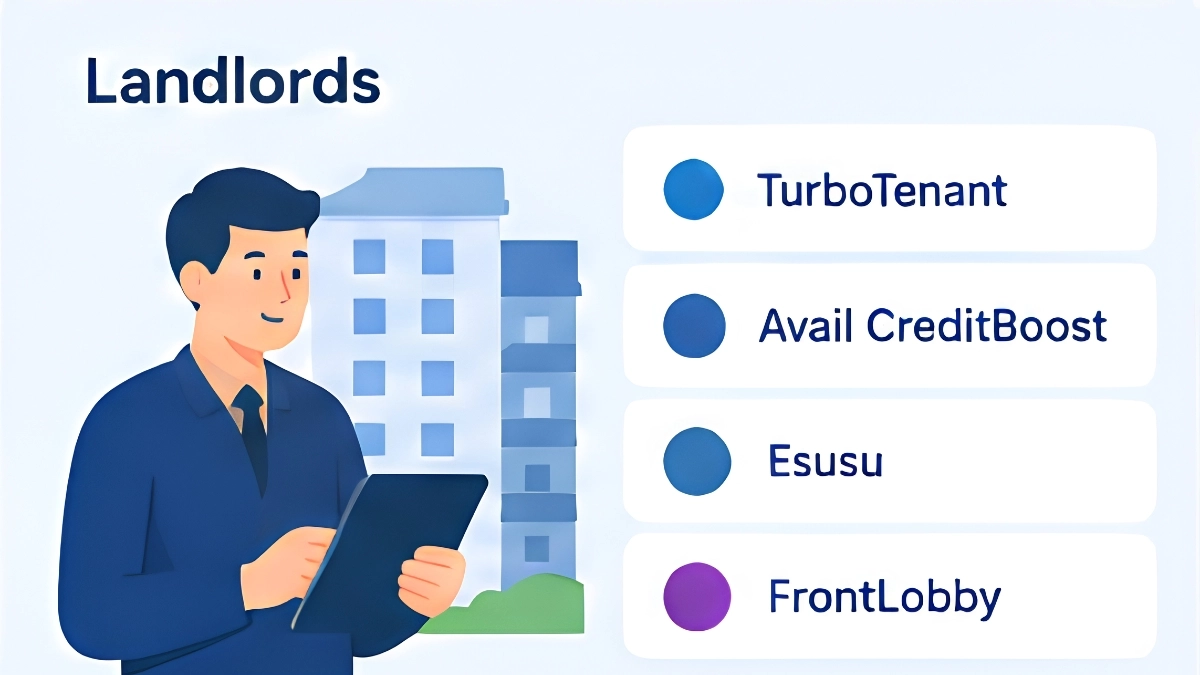
Landlords can offer rent reporting through rent collection software such as TurboTenant, Avail, and Esusu, or through a dedicated service such as FrontLobby. Most programs use one of two models: the renter opts in and pays a monthly fee, or the landlord pays as a resident benefit. Landlords still choosing a payment tool can start with the best way to collect rent.
California is the clearest example of a state mandate. Under California Civil Code § 1954.07, covered landlords must:
- Offer optional reporting of positive rent payments to at least one nationwide bureau.
- Make the offer at lease signing and at least once a year.
- Charge no more than the lesser of actual cost or $10 a month.
- Let tenants stop reporting at any time.
- Include positive information only.
The law applies to buildings with more than 15 units, with some exceptions. Other states have pilots or proposals, and rules change often, so landlords outside California should check current state law. Source: California Civil Code § 1954.07.
TurboTenant
Renters opt in to TurboTenant's rent reporting for $4.99 a month, and it reports on-time payments to TransUnion. The landlord must collect or record rent through TurboTenant, and a free landlord account is enough. The company says it does not report late or missed payments.
Avail CreditBoost
Avail CreditBoost reports rent to TransUnion for $3.95 per reported month. The landlord cannot switch it on for tenants. The tenant turns it on after the landlord invites them to pay through Avail. Renters can add past on-time payments, up to 24 months per lease, and no late payments are reported.
Esusu
Esusu serves property managers and, through Zillow's CreditClimb, renters directly for $20 a year, reporting to all three bureaus. Zillow also offers free reporting when a landlord collects rent through Zillow payments. Esusu's landlord-side pricing is not published, so property managers need to ask for a quote.
FrontLobby
FrontLobby is landlord-paid and reports on-time, late, and nonpayment history, which sets it apart from positive-only options. Reporting current tenants requires a Premium membership at $239 a year, covering 20 leases a month. Negative reporting carries FCRA accuracy duties, so landlords should read how to report a bad tenant to a credit bureau before using it.
How Much Do Rent Reporting Services Cost?
Rent reporting services cost from $0 to roughly $240 a year, depending on who pays and which bureaus get the data. Renter-paid options fall into three tiers:
- Free: Experian Boost, Self's rent-only plan, and Zillow's landlord-linked program.
- Low cost ($20 to about $85 in year one): Zillow CreditClimb ($20), Avail CreditBoost ($47.40 over 12 reported months), TurboTenant ($59.88), and Boom ($60, or $85 with past rent).
- Higher cost (over $180): Rental Kharma ($182.40) and RentReporters ($199.95 on the annual plan, $226.35 monthly).
Landlord-paid programs start higher, such as FrontLobby's $239 Premium plan. Some states cap what landlords can pass on to renters, as California does.
What Should You Check Before You Enroll?

Before enrolling in any rent reporting service, confirm these six points:
- Bureau coverage. Does it report to all three bureaus, or only one or two?
- Scoring models. Ask which score a future lender will pull, since that decides whether the rent tradeline counts.
- Total first-year cost. Add setup, past-rent, and rush fees to the monthly price.
- Verification and data privacy. Is rent verified by bank linking or landlord confirmation, and how is your data stored?
- Positive or negative reporting. Most renter-paid services report on-time rent only.
- Exit terms. Refund windows run from 7 days at Boom and RentReporters to 90 days at Rental Kharma, and a closed tradeline can stay visible for years.
Landlords should add one more item: whether state law requires an offer, as California's does. Renters who also need to qualify for a lease can review what credit score is needed to rent an apartment.
Conclusion
Rent reporting services turn a renter's largest monthly payment into credit history. The value depends on the fee, the bureaus, and the score model. Renters with thin files gain the most, and landlords gain a way to encourage on-time payment. LeaseRunner supports landlords in all 50 states with tenant screening, lease agreements, e-signatures, and rent collection. Pricing is pay-as-you-go, with no mandatory monthly subscription for core use.
FAQs
Are rent reporting services worth it?
Rent reporting services are worth it mainly for renters with a thin or empty credit file who plan to borrow within a year. A $20 to $60 annual cost can make sense for a credit-invisible renter. Renters with long, high-scoring files may see little change.
Can I report my rent to credit bureaus myself?
Yes, through a rent reporting service. Renters cannot send data to the bureaus directly, but services such as Boom and Self act as the data furnisher and enroll renters without the landlord's involvement. Experian Boost is the free alternative, though it reports to Experian only.
Is there a free rent reporting service?
Yes. Experian Boost is free but covers Experian only and accepts only certain online rent payments. Self also reports rent to all three bureaus at no cost on its rent-only plan, and Zillow offers free reporting when the landlord collects rent through Zillow payments.
Do rent reporting services need my landlord's permission?
Not always. Boom and Self link to the renter's bank account and need no landlord role. Rental Kharma requires the landlord to verify the lease, and TurboTenant and Avail require the landlord to collect rent through their platforms.
Can rent reporting hurt my credit?
Yes, in limited cases. Positive-only services do not add late marks, but a landlord that reports unpaid rent through a negative-reporting service can add damaging data. Reporting must be accurate, and errors can be disputed with the bureau and the furnisher. Source: Cornell Legal Information Institute, 15 U.S.C. § 1681c.
Disclaimer: The information provided in this post is intended for general informational and educational purposes only. It should not be construed as legal, accounting, or tax advice. For guidance specific to your situation, we recommend consulting with a qualified professional in the relevant field before taking any action based on the content provided.