Can a lease be changed after signing? Yes, but only in specific ways. Both sides can agree to the change in writing, the original lease can already allow it, the tenancy can shift to month-to-month or come up for renewal, or a new law can override a term. Outside those paths, neither the landlord nor the tenant can rewrite a signed lease alone. Every change should be documented in writing, and the exact rules vary by state and city.
Key takeaways:
- A signed lease is a binding contract, so changes generally need written agreement from both sides.
- Landlords cannot raise rent, add fees, or change major terms mid-lease unless the lease already allows it.
- Tenants can request changes, like adding a roommate or a pet, but the landlord must approve them in writing.
- A lease amendment or addendum is the standard way to document a mid-lease change.
When Can a Lease Be Changed After Signing?
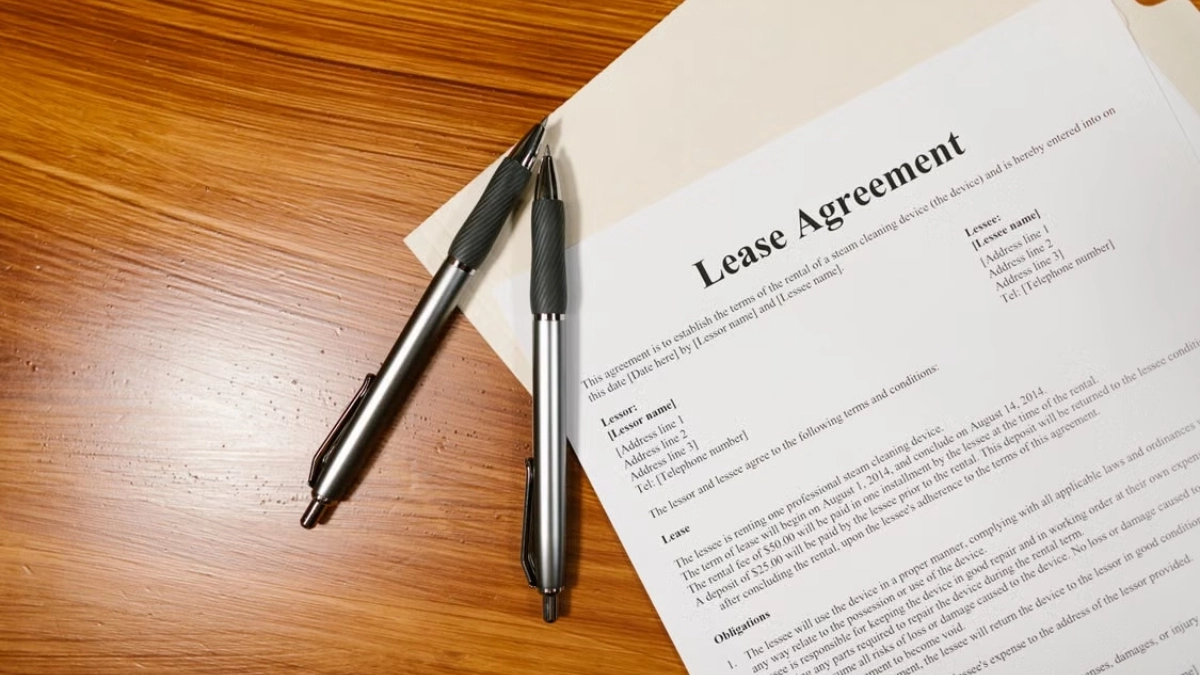
Courts generally treat a lease like any other contract: once signed, it needs mutual consent to modify. A signed lease can change in five main situations.
Both parties agree to the change
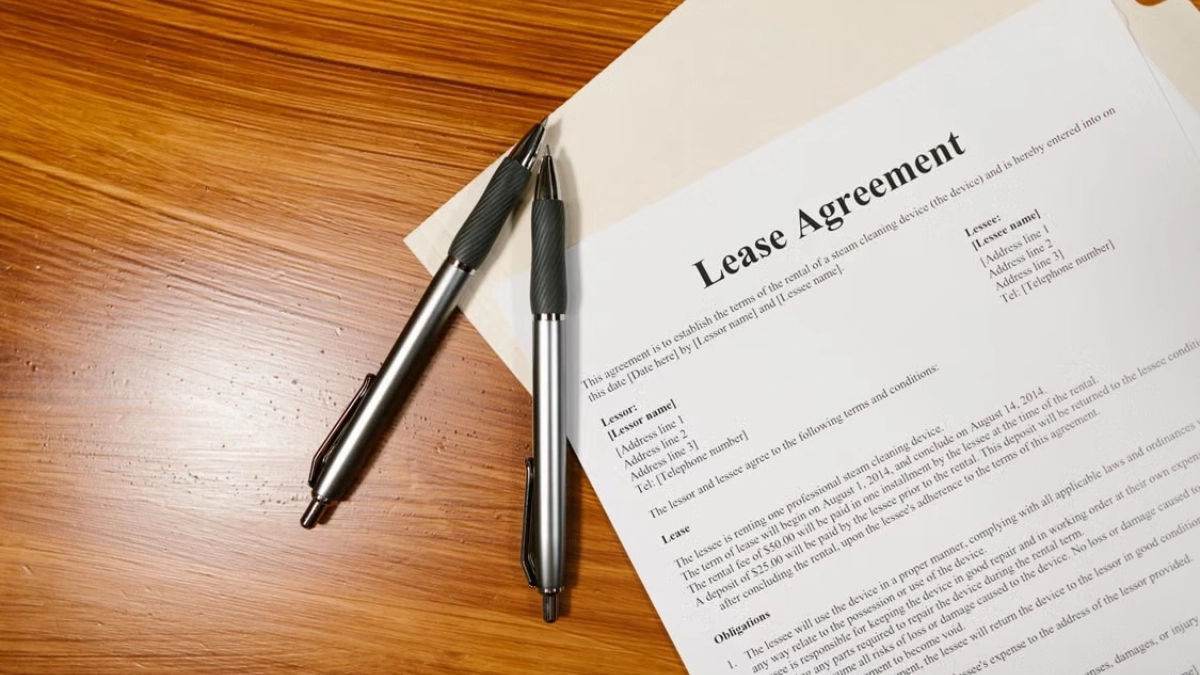
This is the most common route, whether it means adjusting a move-in date, adding a pet, or changing the rent due date. Verbal agreements are hard to prove and easy to dispute. A written amendment or addendum signed by both parties is the version courts will recognize.
The original lease already allows the change
Some leases include escalation clauses that raise rent or a specific cost automatically, based on a formula tied to utilities, property taxes, or a fixed annual increase. If that language is clearly defined, the landlord can apply it without asking again, because the tenant agreed to it at signing.
The tenancy is month-to-month
Once a lease becomes month-to-month, either side can propose changes with proper written notice. Most states require at least 30 days' notice before a rent increase (Source: Justia). Some require more: California requires 30 days for an increase of 10% or less within 12 months and 90 days above that (California Civil Code § 827), and New York requires 30, 60, or 90 days for increases of 5% or more, depending on tenancy length (N.Y. Real Property Law § 226-c).
The lease is being renewed
Renewal is a new negotiation, not a continuation of the old terms. The landlord can propose new rent, policies, or lease length, and the tenant can accept, negotiate, or move out.
A new law overrides a term
A new state or local law can make a clause unenforceable, such as a late-fee cap below what the lease charges, or require a new disclosure mid-term. The rest of the lease stays intact, and the law does not give a landlord an opening to change other core terms.
Can a Landlord Change a Lease After It Is Signed?

A landlord cannot change a signed lease alone while the fixed term is active. The lease must allow the specific change, or the tenant must agree in writing. Landlords who impose changes mid-lease risk losing the ability to enforce them.
Changing the rent
Rent is a core term, so raising it mid-lease without a clause allowing it is a one-sided breach in most states. Increases usually become possible only at the end of the term, at renewal, or on a month-to-month tenancy, and even then the landlord must follow notice rules and any local rent control caps. See how much a landlord can raise rent, and landlords can start from a compliant rent increase letter.
Adding new fees
New charges for parking, storage, or amenities change what the tenant owes, so most states treat them like an unauthorized rent increase. A landlord who wants a new fee needs a signed addendum or must wait until renewal.
Changing property or community rules
General rules like pool hours or trash schedules can usually be updated mid-lease as policy notices. But if a rule effectively rewrites a lease term, such as banning a pet the lease already allowed, it needs the tenant's written consent.
Can a Tenant Ask to Change a Lease After Signing?

A tenant can ask at any time, but nothing becomes enforceable until the landlord agrees and both sides sign an amendment or addendum.
Adding or removing a roommate
Most landlords require a new roommate to complete a rental application and pass screening before being added. The Fair Housing Act bars denials based on protected characteristics, but landlords can still screen on income, credit, and rental history. See how to add someone to a lease.
Getting a pet
Bringing a pet into a pet-free unit needs approval, usually through a pet addendum that sets pet rent, deposit, and size or breed limits. Assistance animals follow separate fair housing rules, so standard pet fees usually don't apply to them.
Changing the rent due date or payment terms
Landlords aren't obligated to agree, but many will adjust timing around a new pay schedule. Ask before the next due date, expect prorated rent for the transition month, and put the change in a short written amendment.
Extending or shortening the lease term
An extension adds months through an addendum without changing other terms; compare lease extension vs. renewal before signing. Leaving early is different: it's an early termination, usually with a fee or rent owed until the unit is re-rented.
How to Change a Lease After Signing (Step-by-Step Guide)

- Review the existing lease. Check whether it already covers the change, such as a pet or roommate clause.
- Agree on the exact change. Settle the specifics, like the roommate's name, move-in date, and rent share, not just the general idea.
- Choose the right document. Use an addendum to add a new term, an amendment to alter an existing clause, or a new lease from state-specific lease agreement templates when the change reshapes the whole tenancy. See what a lease addendum is for more detail.
- Put the change in writing. Reference the original lease, state exactly what changes and when, and confirm all other terms stay in effect.
- Have every party sign. That includes all co-tenants. Each party keeps a copy with the original lease.
A short amendment can be just a few sentences:
This Amendment modifies the Lease Agreement dated [original lease date] between [Landlord] and [Tenant] for the property at [address]. Effective [effective date], Section [X] is amended to read: [new term]. All other terms of the original Lease remain in full force and effect. This Amendment is binding only when signed by both parties below.
What Should You Do If a Signed Lease Was Changed Without Your Consent?

Unilateral changes made after signing generally aren't enforceable. A disclosure the landlord is legally required to deliver is different, though, and refusing to acknowledge it won't help.
- Gather your documents: compare your fully signed lease line by line with the altered version or new policy.
- Object in writing: state that you don't accept the change and cite the clause it conflicts with.
- Keep following the original terms: pay the original rent on time and keep records of every payment.
- Check your state's protections: review what a landlord cannot do.
- Escalate if needed: contact your local housing authority or rent board, or consult a tenant rights attorney.
Conclusion
Can a lease be changed after signing? Yes, but almost always only with written agreement from both landlord and tenant, a clause already in the lease, or a change in the law. Whether the request is a rent adjustment or a new roommate, documenting it in a signed amendment or addendum protects both sides. LeaseRunner supports the full life of a lease, from the lease signing process to renewals and amendments, with state-specific templates and e-signatures.
FAQs
How long after signing a lease can you change your mind?
There's generally no grace period. The FTC's Cooling-Off Rule excludes real estate, including leases, and most states don't add one. Backing out usually means negotiating an early termination, though exceptions exist, such as military orders under the Servicemembers Civil Relief Act.
Can you switch to another apartment after signing a lease?
Only by ending the current lease first, through mutual agreement, an early termination clause, or an internal transfer offered by the property manager. Otherwise, you typically still owe rent under the original lease.
Disclaimer: The information provided in this post is intended for general informational and educational purposes only. It should not be construed as legal, accounting, or tax advice. For guidance specific to your situation, we recommend consulting with a qualified professional in the relevant field before taking any action based on the content provided.