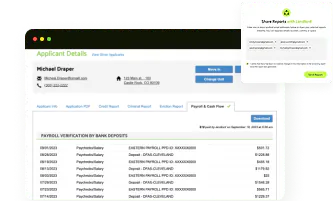
Entering into a rental agreement is a significant milestone for both property owners and residents. The lease signing process serves as the formal transition from a mere inquiry to a legally binding commitment.
At its core, what does signing a lease mean? It is the act of consenting to a contractual relationship where the landlord provides a habitable property and the tenant provides financial compensation and property care. This guide explores the intricate steps in the lease process, the documentation required, and the legal implications of the final signature.
Key Steps in the Lease Signing Process
Understanding the full lease signing workflow helps avoid confusion and delays. While details vary by state and property type, most rental transactions follow the same core structure.

1. Prepare and Draft the Lease
The lease signing process begins with drafting a complete and compliant lease agreement. For landlords, this means using a document that reflects current federal, state, and local laws. For tenants, this is the first opportunity to see the exact terms governing the tenancy.
A standard residential lease typically includes:
- Names of all legal tenants and the landlord or property owner
- Property address and unit details
- Lease term for apartments (for example, 12 months or month-to-month)
- Rent amount, due date, and accepted payment methods
- Security deposit terms and conditions
- Maintenance responsibilities
- Rules on pets, guests, and occupancy limits
Many landlords rely on professionally drafted templates, such as lease agreement templates, to ensure consistency and legal accuracy. Custom terms are often added through a lease addendum, which can clarify property-specific rules or local compliance issues.
2. Send Lease for Tenant Review
Once drafted, the lease is sent to the approved tenant for review. This stage is critical and often underestimated.
Landlords are advised to allow reasonable review time. Rushing signatures increases the risk of disputes later. Tenants often ask how long do I have to sign a lease after receiving it. While no federal law sets a fixed timeline, most landlords provide 24–72 hours. Some markets allow longer, especially for out-of-state renters.
Tenants should look for specific clauses regarding:
- Utility responsibilities.
- Guest policies.
- Provisions for a lease takeover apartment if they need to leave early.
- Any promised rent concession, such as a free month of rent or a waived amenity fee.
If multiple renters will occupy the unit, clarity is essential. Joint and several liability rules are explained further in multiple tenants on a lease.
Lease delivery may occur electronically or in paper form. Many modern transactions rely on digital execution through tools such as LeaseRunner’s online rental contract.
3. Tenant Signs and Returns Lease
After review, tenants sign and return the lease. This step answers several practical questions renters frequently ask, including how to sign a lease and do you have to sign a lease in person.
In most U.S. states:
- Electronic signatures are legally valid under the ESIGN Act
- In-person signing is not required unless local law specifies otherwise
- A lease agreement does not usually have to be notarized
This addresses the common concern: does a lease agreement have to be notarized? In residential leasing, notarization is rarely required. Exceptions may exist for long-term commercial leases or certain state-specific disclosures.
4. Landlord Finalizes Signature and Contract
The lease becomes legally binding only after all required parties have signed. This includes the landlord or authorized property manager.
At this stage:
- Dates should be verified for accuracy
- All exhibits and addenda must be attached
- Copies must be retained by both parties
Landlords often ask if the landlord can cancel the lease after signing. In most jurisdictions, once both parties sign, cancellation is only possible under specific legal grounds, such as fraud or failure to pay required move-in funds.
LeaseRunner’s digital tools ensure that final executed copies are stored securely and accessible for future reference.
5. Collect Funds, Disclosures, and Move-In Documents
The final step in the lease signing process involves collecting required payments and documentation.
This stage answers one of the most searched questions: what is usually due at lease signing.
Common items include:
- First month’s rent
- Security deposit (typically capped by state law)
- Last month’s rent (where permitted)
- Pet deposits or fees
- Required disclosures (lead-based paint, mold, or state-specific notices)
Some landlords also offer rent incentives. Funds should be documented clearly, with receipts issued. This protects both parties and helps prevent disputes later.
What Do You Need to Sign a Lease?
Preparation is the key to a smooth lease signing process. Applicants and owners must gather specific documentation to verify identity, financial stability, and legal standing.
Core Personal Documents for Landlords and Tenants
Both parties need to verify their identities.
For tenants:
- Government-issued photo ID
- Legal name matching the lease
- Social Security Number or ITIN for screening
For landlords:
- Proof of ownership or management authority
- Business documentation if leasing under an LLC
Tenant screening reports play an important role at this stage. Portable screening options allow renters to reuse verified reports, as explained in what is a portable tenant screening report and available directly through portable tenant screening report service.
Financial Requirements
Financial readiness is central to the lease signing process.
Tenants usually need:
- Proof of income (pay stubs, offer letters, or tax returns)
- Funds available for move-in costs
- Co-signer or guarantor documentation if income is insufficient
The distinction between support options is detailed in difference between cosigner and guarantor.
Landlords should ensure that all financial terms are clearly stated and compliant with state law, particularly deposit limits.
Rental History and References
A landlord will often request contact information for previous property managers. This helps confirm that the tenant has a history of timely payments and property care.
Typical requirements include:
- Prior landlord references
- Address history for the past 2–3 years
- Eviction disclosure where legally allowed
Both parties should remain alert to fraud risks. Practical warning signs are covered in how to spot a rental scam.
What Happens After You Sign the Lease?
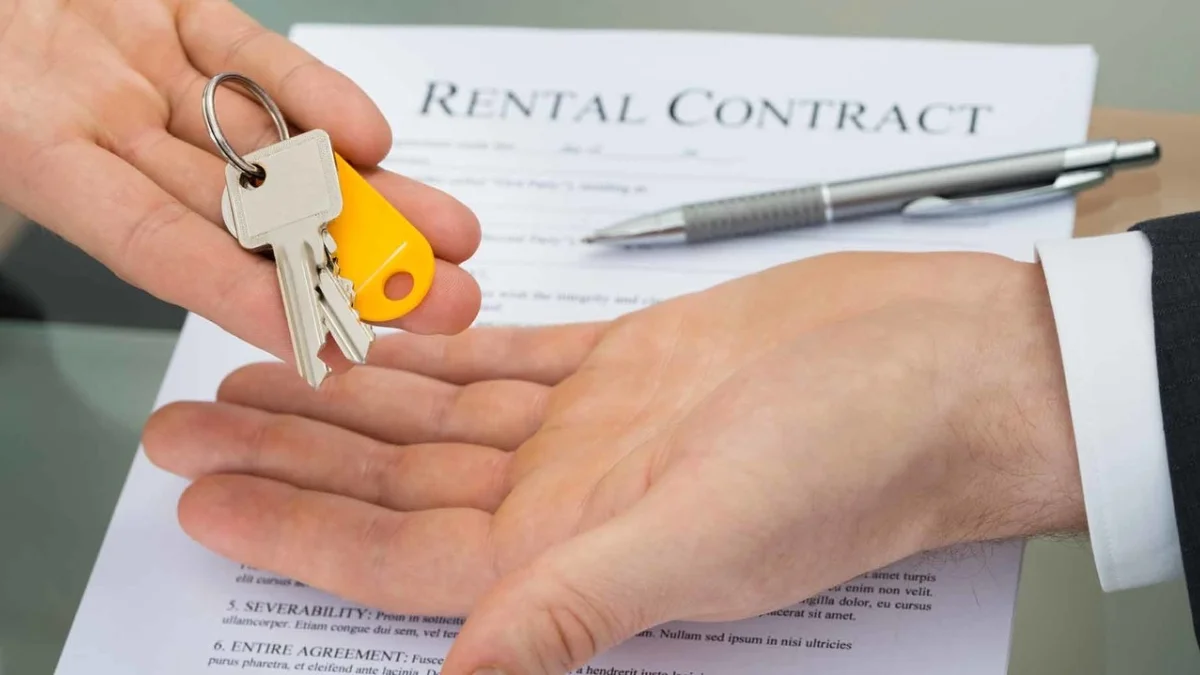
Signing the lease does not end the process. Several important steps follow immediately.
1. Payment and Key Exchange
After the lease is signed, the next immediate step is the collection of all required move-in funds. These typically include: first month’s rent, security deposit and any approved fees stated in the lease. Only after these payments are confirmed should access to the property be granted.
The timing of key, fob, or access code release often determines how soon after signing a lease can a tenant move in.
In standard residential leases:
- Move-in occurs on or after the official lease start date
- Early possession requires written landlord approval
- Keys should not be released until payments have cleared
2. Deposit Protection (Within 30 Days)
Security deposits are heavily regulated under state law. After collection, landlords must handle these funds according to strict legal requirements.
In many states, security deposits must be:
- Held in a separate account
- Protected within a set timeframe (often 30 days)
- Documented with written notice to the tenant
In many states, such as New York and California, landlords are legally required to provide the tenant with written notice of where the security deposit is being held (including the bank name and address) within 30 days of receipt.
Failure to comply with deposit protection laws can result in serious consequences. These may include statutory penalties, loss of the right to deduct damages, or mandatory return of the full deposit regardless of property condition.
3. Inventory and Move-In Documentation
Before any furniture or personal belongings are moved into the unit, a Move-In Inspection or Statement of Condition should be completed. This documentation establishes the baseline condition of the property at the start of the tenancy.
A thorough move-in condition report typically records:
- Existing damage
- Appliance condition
- Cleanliness at possession
Photos, videos, and written checklists are commonly used to support the report. These records reduce disputes at move-out by clearly distinguishing normal wear and tear from tenant-caused damage.
4. Setting Up Utilities and Bills
Utility responsibilities are defined by the lease and vary by property type and location. After signing, arrangements for utilities must be completed promptly to avoid service interruptions or billing disputes.
In many residential leases, tenants are responsible for setting up:
- Electricity and gas
- Internet and cable services
- Water, sewer, or trash services where separately metered
In multi-unit buildings, some utilities may remain in the landlord’s name and be billed back to tenants. Clear lease clauses identifying responsibility, billing methods, and payment timing help prevent confusion.
5. Legal Standing of the Tenancy
Once all parties have signed the lease and required funds are collected, the tenancy gains full legal standing. The lease becomes an enforceable contract under state and local law.
This legal standing establishes:
- The landlord’s right to collect rent and enforce payment terms
- Occupancy limits and guest policies
- Procedures for lease termination, renewal, or eviction
Different structures, such as mid-term rentals may modify these rights.
Common Lease Signing Mistakes to Avoid
Errors during the lease signing process can lead to expensive legal disputes or the loss of a quality rental unit.
Residential Lease Mistakes
Residential leases are often signed quickly, especially in competitive rental markets. However, speed can lead to missed details that later affect renewal rights, occupancy limits, and financial obligations.
Signing without reviewing renewal terms
- Renewing a lease agreement may include automatic extensions, rent increases, or strict notice deadlines.
- Missing these terms can lead to unintended lease renewals or sudden rent changes.
Misunderstanding lease length
- Fixed-term, month-to-month, and mid-term leases carry different legal obligations.
- Early termination penalties or renewal rules often depend on lease length.
Allowing occupants who are not listed on the lease
- Unlisted occupants may not be legally responsible for rent or damages.
- This can violate occupancy limits, insurance policies, or local housing codes.
- All long-term occupants should be clearly named in the lease.
Using a standard lease for room rentals
- Room rentals require clear rules for shared spaces, utilities, and liability.
- Room rentals raise special issues addressed in lease agreement for renting a room.
Commercial Lease Mistakes
Commercial leases involve higher financial stakes and longer commitments. Many issues arise when residential leasing assumptions are incorrectly applied to commercial contracts:
- Signing in a Personal Capacity: When a business owner signs a lease for their company, they must ensure the LLC or Corporation is the named "Tenant." Signing personally makes the individual liable for the rent if the business fails.
- Misunderstanding "Rent-to-Own": Some parties enter into a rent-to-own lease agreement without realizing the complexity of the purchase option. These require much more detailed legal oversight than a standard rental.
Lease takeovers are discussed further in lease takeover apartment.
Conclusion
The lease signing process is more than a formality. It is the legal foundation of the landlord-tenant relationship. From drafting and review to payments and move-in documentation, every step matters.
Understanding what happens when signing a lease, knowing when to sign a lease, and preparing the correct documents reduces risk for both parties. With professional tools, compliant templates, and transparent screening, lease signing becomes efficient, secure, and predictable.
LeaseRunner supports this process with trusted documentation, screening solutions, and digital contracts designed for modern rental transactions.
FAQs
Can You Add Someone to the Lease After Signing?
Yes, but only through a formal amendment. Adding a tenant requires landlord approval and a signed addendum. Liability terms must be updated accordingly.
When Is the Best Time to Sign a Lease?
The best time depends on market conditions. In many U.S. cities, lower demand during winter months can offer better pricing. Timing should also align with the intended move-in date.
How Long Do You Have to Sign the Lease After Receiving It?
There is no universal rule. Most landlords specify a deadline in writing, often between 24 and 72 hours. Failure to sign within that window may result in the unit being offered to another applicant.
Disclaimer: The information provided in this post is intended for general informational and educational purposes only. It should not be construed as legal, accounting, or tax advice. For guidance specific to your situation, we recommend consulting with a qualified professional in the relevant field before taking any action based on the content provided.