Understanding the difference between a condo and an apartment is important for anyone navigating the housing market. While both provide private living spaces, they differ in ownership, maintenance responsibilities, and costs.
This article explores how condos are different from apartments, including advantages, disadvantages, and key considerations for renters and landlords. It also addresses questions like are condos better than apartments, and should I buy a condo or rent an apartment.
What is a Condo Apartment?
A condo apartment combines the features of an apartment with private ownership. Owners can live in the unit or rent it out, generating potential income.

Unlike apartments, condo owners are responsible for interior maintenance, while shared areas are maintained through Homeowners Association (HOA) fees, which can range from $200 to over $1,000 per month, depending on amenities and location.
Condos are common in urban areas, offering both convenience and investment potential. They allow customization, such as renovations, which can increase property value. However, they also come with HOA rules, which may restrict pets, noise, or short-term rentals.
What Does an Apartment Look Like?
An apartment is a rental unit located inside a building where all units are owned by one landlord or company. Most apartment interiors follow consistent designs across units—same flooring, fixtures, appliances, and layouts.

Apartments usually include:
- One to three bedrooms
- Standardized kitchen and bath designs
- Shared amenities like laundry rooms, fitness centers, or playgrounds
- Leasing offices that handle applications, repairs, and tenant management
Apartment living is often structured for simplicity. Applications follow uniform screening procedures, which commonly include credit checks (learn more in what credit score is needed to rent an apartment), background checks, and rental history criteria.
Key Differences Between Condos and Apartments
The primary answer to how condos are different from apartments lies in six critical areas: ownership, maintenance, cost, customization, rules, and landlord relations.
1. Ownership
Ownership is the foundation of how condos are different from apartments.
- Condo: Each unit is individually owned (fee simple) by a private party. The owner holds the deed. The unit is their asset. This answers the question: what makes a condo different from an apartment.
- Apartment: All units within the complex are owned by a single entity (e.g., a landlord or corporation). Residents are tenants and do not hold title to the property.
Because condo ownership is individual, the owner decides on rent pricing, interior renovations, and tenant screening. Apartments follow uniform rules set by the building owner.
2. Maintenance
The responsibility for maintenance and repairs is a significant factor in deciding is it smarter to get a condo or apartment.
Condos
- The owner must repair interior issues (appliance breakdowns, plumbing inside the unit).
- The HOA covers exterior and shared area maintenance.
- Response times may vary depending on how attentive the owner is.
Apartments
- Professional maintenance teams are on-site.
- Response times are usually faster and standardized.
- Tenants follow uniform maintenance request procedures.
3. Costs & Fees
Are condos more expensive than apartments? In most U.S. markets, yes. Condo rental prices are consistently higher than apartments due to factors like amenities and location, with the price difference ranging from 5–15% nationally and increasing to 15–25% in highly competitive urban areas.
Condos usually include:
- HOA fees, which cover shared utilities, building upkeep, security, landscaping, and amenity maintenance.
- Higher purchase costs, such as down payment, mortgage payments, closing costs, and inspection fees.
- Variable rental rates, since each unit is individually owned and priced based on renovation level, view, floor height, and included amenities.
Apartments typically include:
- Predictable monthly rent, set by the property management company.
- No HOA fees, as the building owner manages common-area expenses.
- Standardized pricing, where units with the same layout often share the same rate regardless of upgrades.
For example, average rental price comparison across most metropolitan regions:
- Condos: $1,850–$2,400/month
- Apartments: $1,600–$2,100/month
(Prices vary by city and building age, but the pattern remains consistent.)
For investors wondering how much can I rent my condo for, condo rental rates frequently match or exceed similar apartments because of upgraded interiors and desirable amenities.
4. Customization
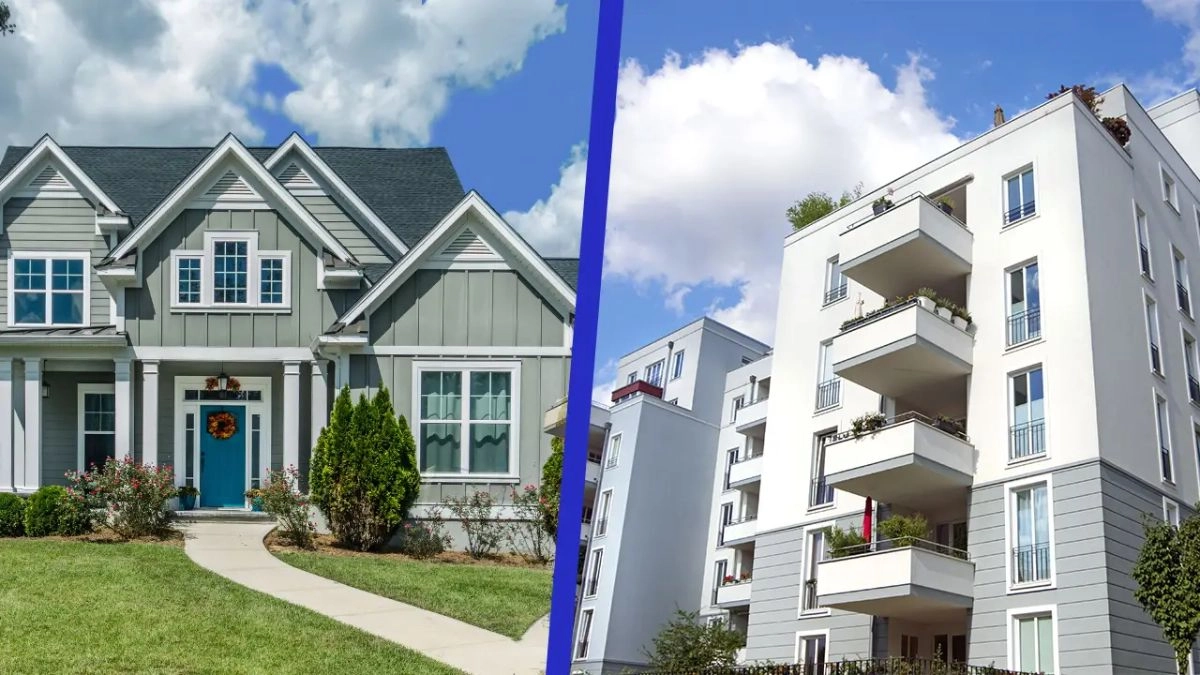
Condos offer higher personalization because owners can:
- Install new flooring
- Upgrade appliances
- Redesign interior layouts
Apartments do not allow unit customization except basic personalization like decor. This makes condos appealing for those preferring modern or unique interiors.
5. Rules & Regulations
While both have rules, the source and enforcement differ significantly.
- Condo: The HOA establishes a set of Covenants, Conditions, and Restrictions (CC&Rs) that owners and their tenants must follow. These rules can be strict, governing everything from exterior aesthetics to pet policies and rental restrictions.
- Apartment: Rules are set by the landlord/management company and are detailed in the lease agreement or a lease addendum. These rules tend to focus on things like noise, trash disposal, and use of amenities.
Understanding HOA terms is similar to reviewing a lease addendum—rules vary and must be followed.
6. Landlord Relation
The nature of the relationship with the property owner is different.
- Condo: Tenants are renting from an individual landlord who owns only one or a few units. This relationship can be more personal, but service might be slower if the owner is managing the property themselves and doesn't live nearby. The vetting process may involve both the individual owner and the HOA.
- Apartment: Tenants deal with a centralized property management company. While less personal, service requests are typically handled by a professional, dedicated team with established maintenance protocols. The leasing process is streamlined, often requiring a rental credit check and a background check for an apartment.
Let’s take a look on this summary table:
Advantages and Disadvantages of Condos and Apartments
Deciding between the two depends heavily on a person's priorities, whether they are a landlord looking to rent out a unit or a tenant seeking a place to live.

Pros and Cons of Renting a Condo
While many people own condos, renting a unit is a common alternative. This is often the case when someone is asking are condos better than apartments for renting.
Condo Pros (For Renters)
- Higher Quality Finish: Since condos are individually owned, they often feature better upgrades, appliances, and finishes (granite, hardwood, custom paint) than standard rental apartments.
- Unique Design: Condos tend to reflect the owner's personal taste, offering a more unique, "home-like" feel compared to the standardized layouts of many apartment complexes.
- Personal Landlord Relationship: Dealing with an individual rather than a large corporation can sometimes lead to more flexible terms.
Condo Cons (For Renters)
- Inconsistent Service: If the landlord is new or inexperienced, maintenance and repair requests may be handled slowly or poorly.
- Strict HOA Rules: Tenants must abide by the HOA's often strict CC&Rs, which can limit things like pets, parking, or even the placement of decorations on balconies.
- Higher Rent: As landlords must cover HOA fees and mortgage costs, the rent for a condo can be higher than a similar-sized apartment.
- Uncertainty: If the owner decides to sell, the tenant's lease may not be renewed, forcing an unexpected move.
Pros and Cons of Renting an Apartment
Apartments are the default choice for the majority of renters. Understanding the disadvantages of renting an apartment is important for a balanced view.
Apartment Pros (For Renters)
- Centralized Management & Maintenance: A professional team handles all repairs quickly and consistently.
- Standardized Application Process: The leasing process is generally well-defined. Tenants can learn how to pass a rental credit check to speed up their application.
- Fewer Hidden Rules: While leases exist, apartment communities often have fewer restrictions on lifestyle than a condo's HOA.
- Amenities: Large apartment complexes often offer extensive and well-maintained amenities (pools, gyms, clubhouses) that are included in the rent.
Apartment Cons (For Renters)
- Lack of Customization: No personalization of the unit is allowed, limiting residents to the property owner's choices in paint, flooring, etc.
- Less Personal Service: Dealing with a large corporation can feel impersonal, and tenants may feel like just a number.
- Potential for Rent Hikes: Corporations may raise rent strictly based on market analysis, which can be less flexible than an individual landlord.
Condos vs. Apartments: Which is Better for Landlords?
The choice is one of control versus ease of management, and it depends on the owner's investment goals and capacity for work.
Condo for Landlords (Owners Renting Out)
- Pros: Investment property is an asset that builds equity. Owners have control over their unit's upkeep and rent rate (how much can i rent my condo for is their decision). This is a good way how to rent out a room in your house but in a multi-unit setting.
- Cons: Owners are subject to HOA rules, which may include rental caps or screening requirements. The owner is solely responsible for finding tenants, handling all tenant disputes, and performing unit maintenance. They may need to hire a property manager, adding to the property management cost.
Apartment for Landlords (The Single Entity Owner)
- Pros: Complete control over the entire complex, management, and cash flow. There are economies of scale in maintenance and marketing.
- Cons: High barrier to entry (must buy the whole building). Requires a dedicated, full-time staff for maintenance, leasing, and accounting.
Should You Buy a Condo or Rent an Apartment?

Which one should you choose — a condo or an apartment? The decision ultimately depends on your lifestyle preferences, financial situation, and long-term plans.
- Ownership: Condos are individually owned units within a larger community, while apartments are leased from a landlord for a fixed term.
- Fees and Costs: Condos come with HOA fees, mortgage payments, and other ownership-related costs. Apartments require monthly rent and utilities, often included or simplified for tenants.
- Utilities: Condo owners manage their own utility bills and may pass costs to renters. Apartment tenants usually pay a set fee or have utilities included in rent.
- Layouts and Floor Plans: Apartments often have uniform layouts and single-level units, while condos vary in design, interior style, and number of levels.
- Maintenance: Condo owners handle all repairs and upkeep, whereas apartment tenants can rely on landlords for maintenance concerns.
- Amenities and Location: Both condos and apartments frequently offer similar amenities such as gyms, pools, and parking. Locations are often comparable, particularly in urban or high-demand areas.
So, who is a Condo or Apartment ideal for?
This decision overlaps with general housing comparisons, such as renting a home vs apartment.
Conclusion
Understanding the difference between a condo and an apartment is crucial for tenants, buyers, and landlords. Condos provide ownership, investment opportunities, and lifestyle amenities but may involve higher costs and HOA rules. Apartments offer flexibility, lower upfront costs, and minimal responsibilities but do not build equity.
Decisions should weigh financial implications, lifestyle preferences, and long-term goals. With accurate knowledge, both landlords and tenants can maximize benefits while minimizing drawbacks.
For those looking to rent, manage, or invest in residential properties, LeaseRunner offers comprehensive tools, from online rental applications to credit check and background check solutions, helping make renting and property management simpler, faster, and more secure.
FAQs
Is a Condo a Good Place to Live?
Yes, condos can provide a comfortable lifestyle with luxury amenities, upgraded interiors, and quiet communities. Many tenants find condos better than apartments because of the unique unit designs and homeowner-level maintenance inside the unit.
Are Condos More Expensive Than Apartments?
Often yes. Condos may have higher rent due to better finishes, building amenities, and HOA fees. Purchase prices also exceed many apartment rents. However, pricing varies by city and market demand.
How Many Rooms Does a Condo Have?
Most condos range from 1 to 3 bedrooms, though luxury developments may include 4-bedroom or penthouse layouts. Smaller studio condos also exist. Room count depends on building design and market preferences.
Is Condo and Apartment the Same?
No. A condo is individually owned, while an apartment is rented from a corporate landlord. Though both may look similar, their legal, financial, and management structures differ significantly.
Disclaimer: The information provided in this post is intended for general informational and educational purposes only. It should not be construed as legal, accounting, or tax advice. For guidance specific to your situation, we recommend consulting with a qualified professional in the relevant field before taking any action based on the content provided.