Do tenants pay HOA fees? In most cases, no: a homeowners association bills the property owner, not the renter. But a lease can shift some or all of that cost to the tenant, through higher rent, a separate reimbursement, or direct payment to the HOA. This guide explains who is legally responsible, how HOA fees show up in a rental, and what to check before signing. Rules vary by state and by each HOA's governing documents.

What Are HOA Fees?
HOA fees, also called HOA dues, are recurring charges every owner in a condo, townhome, or planned community pays to the homeowners association to maintain shared property. They typically fund landscaping and exterior upkeep, the community's insurance and reserve fund, and shared amenities such as a pool, gym, or clubhouse. LeaseRunner covers the basics in its guides to HOA fees and apartment amenities.
Some HOAs bill monthly, others quarterly or annually. The 2024 American Community Survey puts the national median monthly condo or HOA fee for owner-occupied homes at $135 (Source: U.S. Census Bureau). Whether any of that lands on a tenant's bill depends on the lease.
Do Tenants Pay HOA Fees, or Does the Landlord?
Two separate relationships decide this: a legal one between the HOA and the owner, and a contractual one between the owner and the tenant. The HOA is not a party to the lease, so the answer starts with the deed and then depends on what the lease adds.
The homeowner is responsible to the HOA
An HOA's power to bill and fine comes from its Covenants, Conditions, and Restrictions (CC&Rs), which are recorded against the property and bind the owner named on the deed. That obligation does not transfer when a tenant moves in. If dues go unpaid, the association's main tools are late charges, interest, a lawsuit, or a lien against the owner's property (Source: Community Associations Institute).
The tenant's responsibility comes from the lease
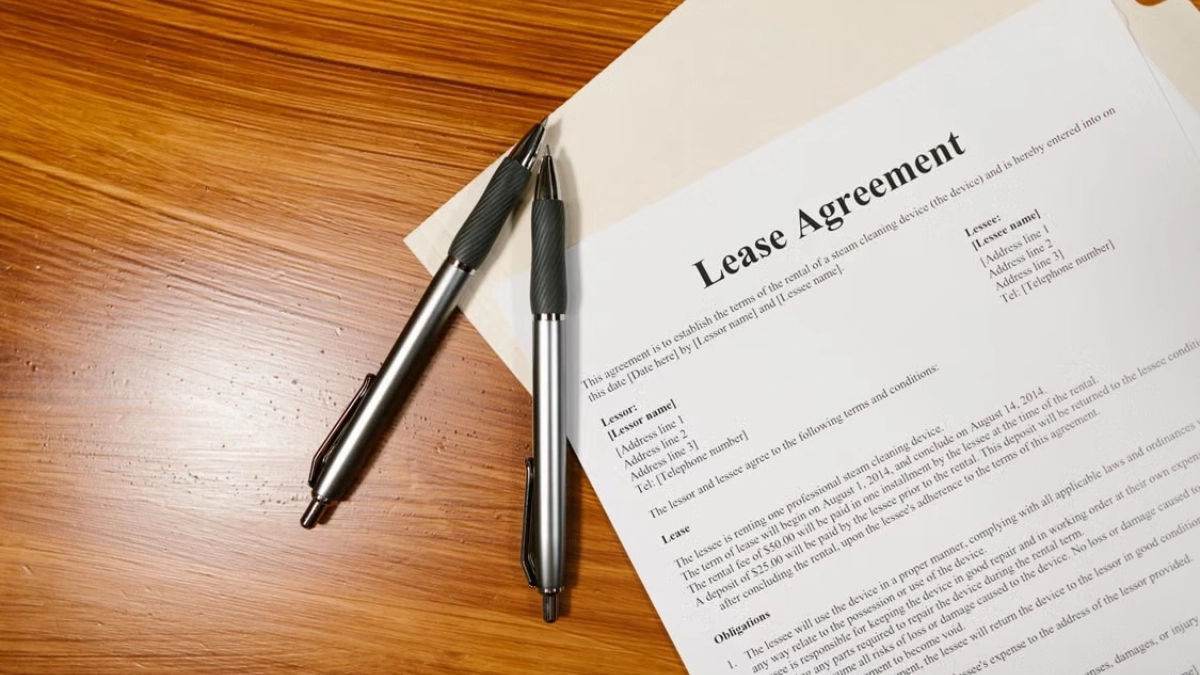
A landlord who wants a tenant to cover HOA dues needs a lease clause that says so, with the amount, due date, and who gets paid. A lease that is silent on HOA fees invites disputes. Starting from a solid lease agreement template helps avoid that gap.
Are HOA Fees Included in Rent?

It depends on how the landlord structures the lease. Three places reveal which setup applies:
- The listing: a complete listing separates rent from add-on costs, the same way it shows parking, pets, or utilities included in rent. If an HOA property's listing doesn't mention dues, ask before applying.
- The lease: the payment section should state plainly whether rent includes HOA fees, and if not, the exact extra amount.
- An HOA addendum: some landlords put fee amounts, rule acknowledgment, and amenity access in a separate lease addendum, which is easier to update at renewal.
How Do Tenants Pay HOA Fees When Renting?
Once a lease assigns the cost to the tenant, payment usually follows one of three paths.
| Payment method | How it works | Best for |
| Rolled into rent | HOA dues are folded into one flat monthly rent | Tenants who want one predictable payment |
| Reimbursement to the landlord | Tenant pays rent plus a separate HOA charge, both to the landlord | Landlords who want HOA costs visible apart from rent |
| Direct payment to the HOA | Tenant pays the association; landlord stays copied on notices | Communities that bill at the unit level |
A reimbursement clause should say whether the amount can change if dues rise. Direct payment only works if the HOA accepts money from someone other than the owner, and the owner usually stays liable for a missed payment.
What Happens If HOA Fees Increase During the Lease?
A signed lease doesn't freeze HOA dues, but it does decide who absorbs an increase. A fixed dollar figure in the lease protects the tenant until renewal; wording like "tenant pays dues as billed" passes the increase along right away. Notice rules for changing costs vary by state (Source: Nolo), which is why many landlords adjust at renewal instead.
Who Pays HOA Special Assessments and Fines?

A special assessment is a one-time, often large charge for something the reserve fund can't cover, such as a new roof or storm damage. Like regular dues, it bills the owner of record, not the current renter. A lease can require a tenant to share the cost, but only with an explicit clause that complies with state law and says whether it covers assessments already pending at move-in.
Fines work the same way. When a tenant breaks a rule, the HOA usually fines the owner, since the owner is bound by the covenants. A landlord who wants to pass a tenant-caused fine along needs a specific lease clause, and can deduct it from a security deposit only where state deposit law allows.
Do Tenants Have to Follow HOA Rules?
Yes. HOA rules apply to everyone living in the property, even though the tenant never signed the covenants. Common examples include pet limits, parking rules, quiet hours, and restrictions on exterior decor. HOA amenities usually come with their own rules, and some communities charge extra for access, as LeaseRunner's guide to amenities fees explains.
When the lease and HOA rules conflict, the HOA rules usually win, so tenants should confirm that anything the lease promises, such as pets or subletting, is allowed under the HOA's current rules.
What If the Tenant Doesn't Pay an HOA Fee Required by the Lease?

The HOA can't pursue the tenant directly, but a missed HOA payment required by the lease is a lease default. Depending on the lease and state law, the landlord may add a late fee, treat it like unpaid rent, or move toward eviction. Meanwhile, the landlord still owes the HOA on time.
The reverse risk matters to renters: if the landlord stops paying dues, an unpaid balance can become a lien, and in some states a lien can lead to foreclosure. The federal Protecting Tenants at Foreclosure Act generally requires a new owner to honor an existing lease or give at least 90 days' notice, though how it applies to an HOA foreclosure can vary by state (Source: Office of the Comptroller of the Currency).
What Should Tenants Check Before Renting in an HOA?

Ask the landlord or HOA manager directly before signing:
- Dues: whether HOA fees are included in rent, the exact amount, and who pays if a payment is missed.
- Assessments: whether any special assessment was issued or voted on recently.
- Amenities: which pools, gyms, or clubhouses come with the unit, and whether any cost extra.
- Rules: a current rules summary covering pets, parking, and quiet hours.
- Rental restrictions: whether the HOA caps rentals or subletting, even if the lease allows it.
How Landlords Should Handle HOA Fees in a Rental Lease

- Confirm HOA obligations first. Get the current fee schedule, rulebook, and any pending assessments before listing.
- Decide how the cost will be handled. Pick one setup: included in rent, reimbursed, or paid directly. If you fold dues into rent, price them in the same way you decide how much rent to charge.
- Document tenant obligations clearly. Put the amount, due date, and payee in the lease or an HOA addendum, not a verbal agreement.
- Keep HOA payments under your control when practical. A missed payment threatens your title, not the tenant's credit, so collect reimbursement and pay the HOA yourself.
- Revisit costs at renewal. Check the latest HOA statement before every renewal and adjust rent or reimbursement to match.
Conclusion
Do tenants pay HOA fees? Legally, the HOA bills the owner, so the answer comes down to the lease. A landlord can pass some or all of the cost to a tenant through rolled-in rent, a reimbursement clause, or an addendum, as long as the terms are clear and comply with state law. Clear terms on dues, assessments, and rules before signing prevent most HOA disputes. LeaseRunner's lease templates make that documentation easier from the first draft.
FAQs
Can a landlord charge HOA fees on top of rent?
Often, yes, if the amount, due date, and purpose are written into the lease or an addendum and the charge complies with state and local law. Some states, such as Minnesota, now require landlords to disclose or itemize fees beyond base rent (Source: Apartments.com), so check current rules first.
Can you be evicted for not paying HOA fees?
Not by the HOA, since its relationship is with the owner. But if the lease makes the HOA payment the tenant's responsibility, nonpayment is a lease default, and the landlord may be able to pursue eviction under state law.
Who pays HOA fees when a rental property is vacant?
The owner. HOA dues attach to the unit, not to occupancy, and most associations don't prorate for an empty unit, so landlords should count full dues in the real cost of a vacancy.
Disclaimer: The information provided in this post is intended for general informational and educational purposes only. It should not be construed as legal, accounting, or tax advice. For guidance specific to your situation, we recommend consulting with a qualified professional in the relevant field before taking any action based on the content provided.