What are apartment amenities? Apartment amenities are non-essential features or services provided within an apartment complex or individual units that enhance the comfort, convenience, and enjoyment of the rental property. These features directly influence perceived value, market positioning, and rental pricing strategy in any professional real estate portfolio.
In competitive markets, amenities shape leasing velocity, tenant retention, and net operating income. Modern landlord strategy no longer focuses only on square footage and location. High-quality amenity design determines the market tier, defines the target tenant demographic, and increases price elasticity for the property manager.
What Are Apartment Amenities?
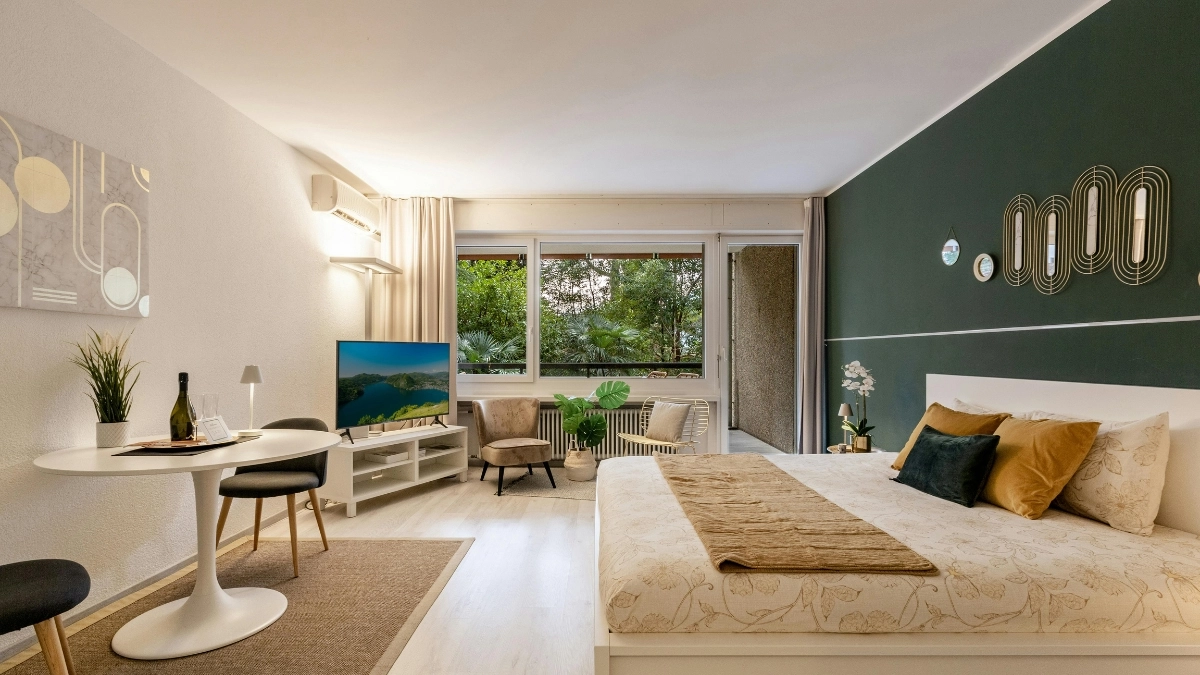
Apartment amenities meaning in the leasing industry refers to the physical features and service offerings that enhance daily living beyond the basic structural requirements. The definition of amenities in apartments encompasses both private, in-unit laundry setups and shared facilities that increase the overall desirability of the rental property.
The amenities definition rental experts use typically excludes legally mandated requirements like plumbing, electricity, and code-compliant heating system units.
Instead, it focuses on:
- Functional improvements: High-end appliances and modern climate systems.
- Lifestyle upgrades: Fitness center access and leisure spaces like a rooftop terrace.
- Operational services: Concierge services, security system monitoring, and package locker management.
- Policy-based features: A comprehensive pet-friendly policy or dedicated remote work setup.
What Do Amenities Mean in Apartments?
What do amenities mean in apartments? Amenities represent the competitive advantages that differentiate one apartment complex from another in the same submarket.
For example:
- A unit with a washer and dryer in unit reduces tenant time burden.
- A building with a security system lowers perceived risk.
- A property offering a co-working space attracts remote professionals.
Amenities influence:
- Rent positioning
- Marketing appeal
- Tenant screening outcomes
- Retention duration
When evaluating what is included in amenities, property operators separate essentials from enhancements.
What Are Some Basic Amenities?
Basic amenities are the essential features found in almost any professionally managed family-friendly housing. While some overlap with habitability, these are the "baseline" items needed to attract a quality tenant.
In most states, habitability laws require functional heat and water. If a landlord fails to maintain these, they face legal risks. For specific repair timelines, refer to our guide on how long does a landlord have to fix something to understand statutory obligations.
How Amenities Impact Rent Prices
Amenities for housing increase rent by boosting perceived value and reducing "tenant search substitution." When a rental property offers a unique resort-style pool or a smart thermostat, it faces less direct competition, allowing the landlord to command a higher price.
Price Adjustment Mechanisms
Rent premiums occur when a property manager proves that the provided services save the tenant money elsewhere. In Class A luxury apartment features, amenities can increase rent by 10%–30% compared to units with only a refrigerator and basic lighting.
Essential vs Optional Amenities
The essential vs optional amenities framework helps a landlord determine a strategic pricing floor. Essential amenities are those required for a building to be functional and competitive in its specific class, while optional amenities serve as the "upsell" features that drive profit.
Essential amenities:
- Climate Control: Functional air conditioning and a reliable heating system are non-negotiable for habitability.
- Secure Entry: A basic security system or deadbolt is a standard expectation.
- Working Appliances: A functional refrigerator and stove are required for a kitchen to be considered complete.
Optional amenities:
- Smart Thermostat: Provides energy savings and modern tech appeal.
- Walk-in Closet: Highly desired for family-friendly housing and luxury seekers.
- Balcony: Offers private outdoor space which is a premium in dense cities.
- Clubhouse & Rooftop Terrace: Social spaces that justify an additional monthly fee.
While optional features support premium positioning, they are not legally required for habitability. However, a property manager must ensure all advertised optional features are maintained.
Are Amenities Included in Rent?
Most properties bundle access into the base rent to simplify marketing, but an increasing number of apartment complex managers now charge a separate amenity fee or additional monthly fee. The decision to bundle or unbundle depends on the landlord's target demographic and the local competitive landscape.
Pricing Models for Amenities
The bundled model offers marketing simplicity by projecting a "luxury-inclusive" image, while the unbundled model uses a lower "starting at" price to attract more leads.
Regardless of the strategy, a landlord must provide clear disclosure in the lease agreement to prevent disputes. A property manager should also distinguish lifestyle perks from what utilities are included in rent, as a swimming pool is an amenity, but its water is a utility cost affecting overhead.
Types of Apartment Amenities
Common apartment amenities are typically split into categories based on where they are located and who can use them. This structure helps a property manager organize the amenity checklist during a move-in checklist apartment inspection.
In-Unit Amenities
In-unit amenities are the private features located inside the specific living space that are for the exclusive use of the tenant. These features often determine the daily convenience of the rental property.
Common apartment amenities inside units include:
- Washer and dryer in unit: This is consistently ranked as a top apartment must-have amenities item. Having in-unit laundry saves the tenant time and money.
- Air conditioning and heating system: These are standard apartment amenities in most climates, ensuring year-round comfort.
- Kitchen Appliances: A modern refrigerator, dishwasher, and microwave are basic amenities that tenants expect.
- Walk-in closet: Large storage spaces add significant value to a bedroom, especially in urban apartment complex settings.
- Balcony: Private outdoor space provides a mental health boost and additional square footage for relaxation.
- Smart thermostat: These devices allow for precise climate control and can lower utility bills, making them a popular remote work setup feature.
Why In-Unit Amenities Matter
In-unit upgrades reduce friction. Reduced friction increases retention.
Example: A unit with in-unit laundry reduces reliance on shared laundry rooms. Convenience improves tenant satisfaction. Tenant satisfaction improves renewal probability.
Community Amenities
Community amenities are shared facilities accessible to all residents within the apartment complex. These features foster a sense of community and provide lifestyle benefits that would be too expensive for a single tenant to own.
- Fitness center and gym: A well-equipped gym eliminates the need for an external membership, saving the tenant $50–$100 per month.
- Swimming pool: Often the centerpiece of a resort-style pool area, this is a major draw during summer months.
- Clubhouse: This space offers a venue for social gatherings and private events hosted by the landlord.
- Co-working space and business center: With the rise of the remote work setup, a dedicated co-working space is essential for modern professionals.
- Security features: A security system, gated community access, and package locker systems provide peace of mind.
- Parking garage or covered parking: Secure tenant parking rights are a high-priority example of amenities in densely populated cities.
Operational Considerations
Community amenities require maintenance budgeting.
Example:
- A swimming pool increases insurance costs and maintenance expenses.
- A package locker system reduces lost package disputes.
- A business center supports hybrid workers.
Proper maintenance reduces liability exposure. LeaseRunner’s article on what is an apartment inspection provides inspection insight relevant to shared facilities.
Premium vs. Basic Amenities
Premium amenities create market differentiation, while basic amenities ensure legal compliance and competitive parity.
Basic amenities:
- Functional appliances
- Reliable utilities
- Climate control
Premium luxury apartment features:
- Resort-style pool
- High-end fitness equipment
- Rooftop lounges
- Smart home systems
- On-site concierge
Premium tier attracts higher-income tenants and corporate relocations. Premium positioning supports higher deposit structures and stricter screening criteria.
How to Prioritize Amenities When Apartment Hunting
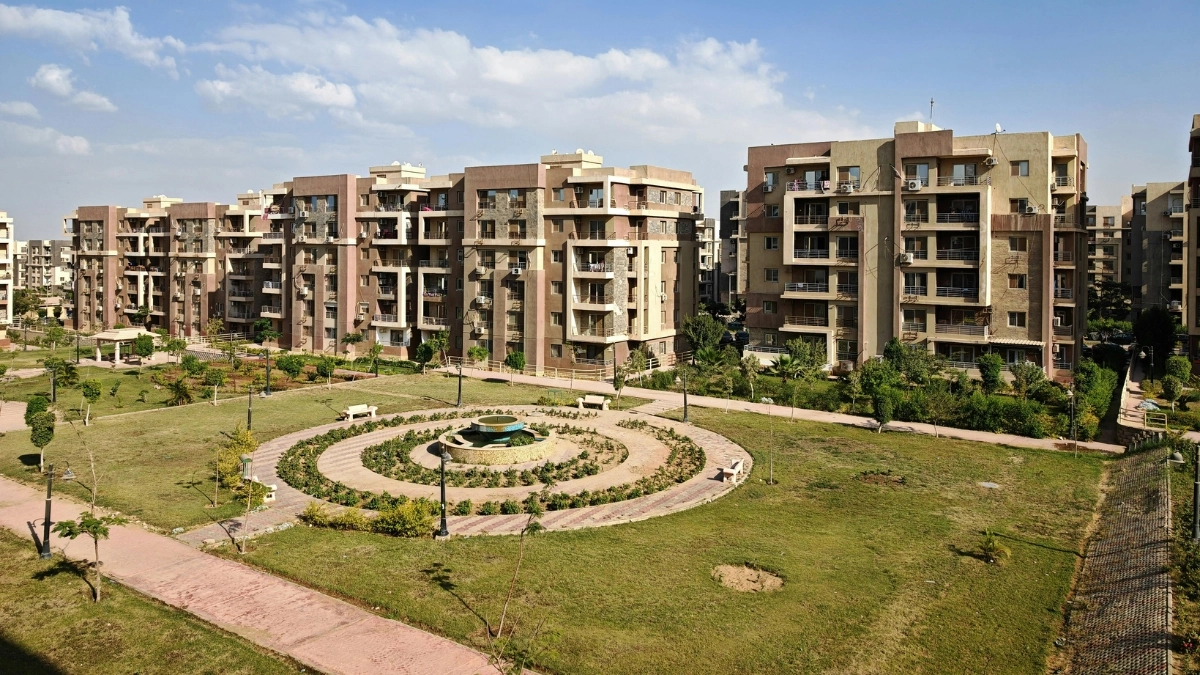
Landlords must prioritize amenities based on target tenant demographics and return on investment.
An effective amenities checklist considers:
- Local market competition
- Demographic trends
- Construction cost vs. rent premium
- Maintenance burden
Market-Specific Strategy
- Student housing prioritizes study lounges and co-working space.
- Family-friendly housing emphasizes secure playgrounds and covered parking.
- Urban properties emphasize elevator access and secure entry.
- Suburban developments prioritize parking capacity.
For comparative positioning, LeaseRunner’s article on renting a home vs apartment clarifies how amenities influence tenant choice between property types.
The Cost of Apartment Amenities: Are They Worth It?
Apartment amenities are worth the cost when rent premiums exceed installation and maintenance expenses over the amortization period.
Cost considerations include:
- Installation
- Ongoing maintenance
- Insurance adjustments
- Replacement cycles
Example:
Installing a smart thermostat reduces energy waste. Energy efficiency improves property sustainability profile. Sustainability attracts environmentally conscious renters.
Example:
Adding a parking garage in dense markets supports rent premiums and reduces tenant churn where street parking is limited.
Hidden Fees for Using Amenities
Hidden fees arise when amenities require separate payment outside base rent.
Common fee structures:
- Amenity fee at lease signing
- Monthly gym access charge
- Pet rent under pet-friendly policy
- Reserved parking charge
- Storage locker rental
Disclosure obligations vary by state. Transparent breakdown inside the lease agreement prevents disputes.
Security deposits and liability considerations often connect with amenity usage. For risk allocation, consult does renters insurance cover property damage.
Popular Apartment Amenities Tenants Want in 2026
Remote work flexibility and security rank among the top tenant demands in 2026.
Emerging preferences:
- Dedicated remote work setup
- On-site co-working space
- High-speed internet infrastructure
- Smart home integrations
- Secure package locker
- Enhanced security system
Urban professionals prefer tech-enabled living. Families prioritize safety and outdoor access. Pet owners value flexible pet-friendly policy options.
Amenities influence property segmentation:
- Tech-enabled housing attracts remote professionals.
- Family-friendly housing supports longer tenancy.
- Lifestyle-driven luxury properties command premium rents.
Landlords expanding portfolios may also consider diversified models, including shared housing strategies such as outlined in how to rent out a room in your house.
Conclusion
What are apartment amenities? They are the "lifestyle engine" of a rental property. From the convenience of in-unit laundry to the security of a gated community, these features define the market value of your asset.
By balancing basic amenities with luxury apartment features, a landlord can maximize rent prices while ensuring long-term tenant satisfaction and property stability.
FAQs
1. What amenities should be in an apartment building?
Essential building amenities include secure entry, reliable climate control, functioning appliances, and safe common areas. Competitive buildings often include a fitness center, parking garage, and secure package management.
2. How do apartment amenities affect monthly rent prices?
Amenities increase monthly rent by raising perceived value and reducing tenant substitution options. Premium amenities such as a resort-style pool or concierge justify higher rent tiers.
3. Are there hidden fees for using apartment amenities?
Some properties charge separate amenity fee structures or additional monthly fee for parking, gym access, or pet privileges. Clear lease disclosure prevents legal disputes.
4. What amenities best suit families with pets?
Properties targeting pet owners benefit from strong pet-friendly policy, green spaces, secure fencing, and durable flooring materials. Safety-focused design enhances retention within family-friendly housing communities.
Disclaimer: The information provided in this post is intended for general informational and educational purposes only. It should not be construed as legal, accounting, or tax advice. For guidance specific to your situation, we recommend consulting with a qualified professional in the relevant field before taking any action based on the content provided.