Rental property renovation is the process of updating, repairing, or improving a residential investment to increase property value, attract high-quality tenants, and boost monthly cash flow.
Landlords who invest in the right renovations for rental property consistently see measurable returns through rent increases, lower vacancy rates, and reduced maintenance expenses. The key lies in choosing value add renovation strategies backed by tenant demand and local market data.
What Is Rental Property Renovation?
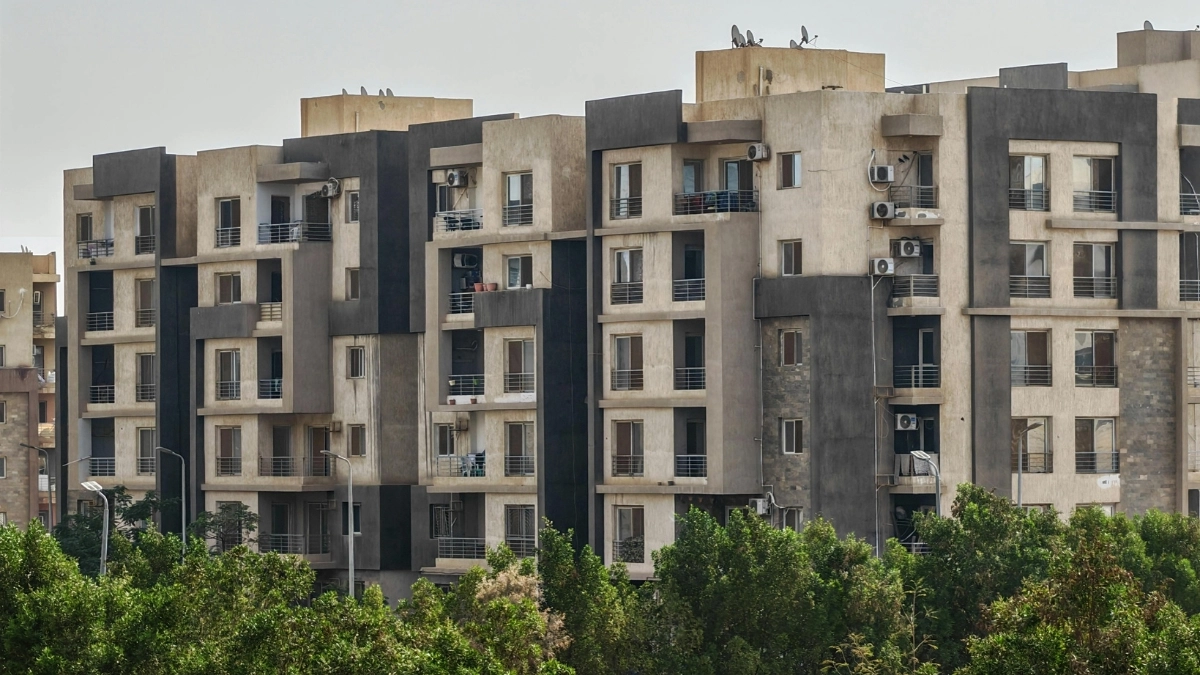
Rental property renovation refers to improving a rental property, such as an apartment unit or single family home to increase rental value, tenant appeal, and overall Return on Investment (ROI).
A rental property renovation includes both minor updates and major remodeling projects. These upgrades may involve:
- Painting rental property to refresh the space
- Flooring upgrade or appliance replacement
- Structural work that requires a building permit
- Fixes to meet housing code and zoning law
It is important to distinguish renovation from other types of property work to manage costs and expectations effectively:
- Maintenance: Fixing wear and tear (e.g., plumbing leaks, HVAC servicing)
- Renovation: Updating or improving existing features
- Remodeling: Changing layout or structure (e.g., open floor plan conversion)
For example, replacing worn carpet falls under maintenance or minor rental property improvement, while installing hardwood flooring qualifies as a flooring upgrade tied to ROI.
Smart property owners view renovation as a strategic investment. A well-planned upgrades project aligns the physical state of the building with current tenant demand features. By integrating modern rental features, landlords transform a dated space into a competitive housing option that stands out in crowded urban markets.
How Rental Property Renovation Impacts Your Rental Income
Rental property renovation increases monthly cash flow by improving the quality of the apartment unit. A smart renovation helps landlords attract better tenants and reduces the time a property sits empty.
- Higher rent potential: Strategic rental property upgrades justify a rental income increase. Modern kitchen renovation, rental, and bathroom renovation projects allow for higher monthly rates.
- Lower vacancy rates: Updated units with a strong curb appeal improve leases faster. Adding modern rental features reduces the expensive gap between tenants.
- Better tenant retention: Quality renovations for rental property attract long-term residents. These tenants often take better care of the space, which reduces the need for frequent move-out inspections.
- Increased property value (ROI): Smart value-add renovation projects boost both short-term cash flow and long-term renovation ROI rental performance.
The right renovation rental property strategy turns a standard unit into a higher-performing asset with more predictable online rent collection.
Best Rental Property Renovations With the Highest ROI
Strategic rental property improvement focuses on high-impact areas that yield the most significant renovation ROI rental. Not all projects are equal; owners must prioritize upgrades that tenants can see and feel daily.
Kitchen Upgrades
Kitchen renovation rental projects deliver a strong ROI because the kitchen is the primary decision-making factor for most renters. A modern kitchen justifies a significant rental income increase and reduces vacancy time.
- The Strategy: Replace outdated laminate with quartz or granite countertops. These materials resist wear and tear vs damage better than cheaper alternatives. Swap old appliances for energy-efficient stainless steel models to appeal to modern tenants.
- Approximate Cost: $3,500 – $15,000
- Estimated ROI: 70% – 80%
Tip: If the cabinet boxes are in good shape, simply paint the doors and replace the hardware (knobs and pulls) to save on total renovation cost.
Bathroom Improvements
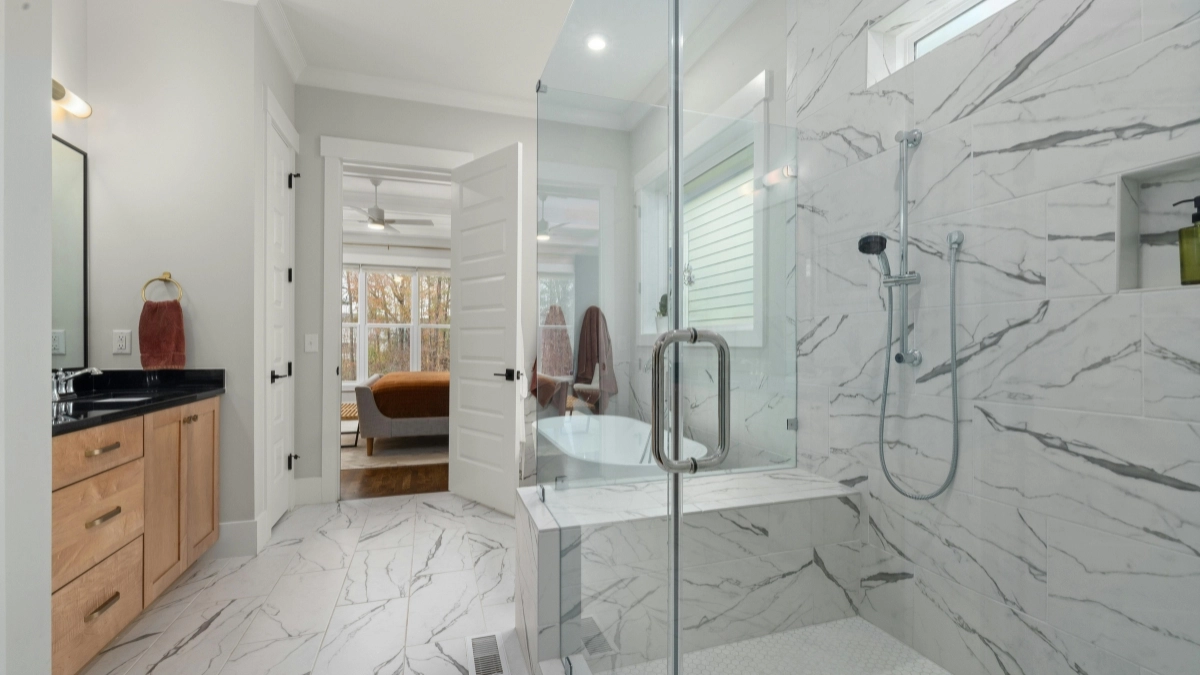
A bathroom renovation rental is one of the most cost-effective ways to increase rental value by improving hygiene perception and functionality.
- The Strategy: Replace a dated vanity with a modern, stone-topped version. Swap out crusty faucets and showerheads for brushed nickel or matte black finishes. Ensure proper ventilation is installed; this is a critical property code compliance step that prevents mold and lowers pest control and health-related maintenance.
- Approximate Cost: $1,500 – $5,000
- Estimated ROI: 65% – 75%
Tip: Install a dual-flush, water-saving toilet to lower utility bills and appeal to eco-conscious renters.
Durable Flooring Options
A flooring upgrade dramatically changes the feel of the apartment unit while reducing the long-term expense of replacing carpets between every lease.
- The Strategy: Use Luxury Vinyl Plank (LVP) throughout the single family home. LVP is waterproof, scratch-resistant, and stands up to pets. Unlike carpet, LVP does not trap odors, making move-out inspections much smoother.
- Approximate Cost: $3,000 – $8,000 (depending on square footage).
- Estimated ROI: High (due to 50% reduction in turnover flooring costs).
Tip: Keep several extra boxes of the same LVP in storage. If a single plank is damaged, it can be swapped out individually without replacing the whole floor.
Paint and Lighting Updates
Painting rental property and upgrading lighting offer the highest returns among affordable upgrades. These are essential for a professional rental property remodel.
- The Strategy: Use a high-quality, neutral paint palette (like soft grays or off-whites) to make rooms feel larger. Replace dated "boob lights" with recessed LED lighting or modern designer fixtures. These upgrades improve the curb appeal improvement in online listing photos.
- Approximate Cost: $1,000 – $4,000
- Estimated ROI: Very High (often 100%+ in perceived value).
Tip: Always use a "Satin" or "Semi-Gloss" finish for walls. It is much easier to clean during normal wear and tear assessments than "Flat" paint.
How to Budget for a Rental Property Renovation?
A rental property renovation budget should prioritize high-ROI upgrades and stay aligned with the property’s market value to protect profitability.
In most cases, effective renovations for rental property fall within 10–15% of the property’s value, helping control renovation cost while still driving meaningful rental income growth.
- Set a clear budget range: Use 10–15% of the property value as a benchmark for a standard renovation rental property plan, then adjust based on property condition and local rental demand.
- Build in a contingency reserve: Allocate an additional 10–20% to handle hidden issues such as water damage, aging systems, or structural repairs that often appear during renovation.
- Focus on high-ROI improvements: Prioritize affordable upgrades like painting rental property, flooring upgrade (such as LVP), and updated lighting that improve durability and tenant appeal without excessive cost.
- Stay within market limits: Analyze comparable rentals to avoid over-improving beyond the neighborhood rent ceiling, ensuring each rental property improvement supports realistic rent increases.
- Account for all project costs: Include labor, materials, building permits renovation, inspections, and major system upgrades like HVAC or roofing when calculating the total cost of renovation rental.
- Validate ROI before spending: Estimate the potential rent increase and property value gain through After Repair Value (ARV) to confirm the value add renovation justifies the investment. If projected returns fall short, scale back to essential upgrades.
A disciplined renovation budget keeps spending aligned with expected returns, ensuring every upgrade contributes to long-term ROI and sustainable rental performance.
How to Choose Renovations Based on Your Target Tenants
Rental property renovation must match the local renter's needs to maximize ROI. Landlords should select upgrades based on facts, not personal style. A successful rental property remodel focuses on tenant demand features that justify a rental income increase.
Align Upgrades With Tenant Profiles
Different renters value different modern rental features:
- Young professionals often prioritize high-speed internet and smart locks.
- Families usually look for extra storage and a safe single-family home layout.
- Students prefer low-maintenance apartment units, while luxury renters expect premium amenities upgrades.
Matching the renovation to the person ensures the property stays occupied.
Prioritize Functionality Over Aesthetics
Practical upgrades often deliver a higher renovation ROI rental than pretty decor. In-unit laundry and energy-efficient appliances attract long-term residents. A functional floor plan improves the daily life of the tenant. These affordable upgrades create more value than expensive, trendy paint colors.
Focus on High-ROI Improvements
Proven rental property upgrades appeal to the widest range of people:
- A clean kitchen renovation rental and a fresh bathroom renovation rental are top priorities.
- Neutral painting rental property and a durable flooring upgrade also help the unit show well.
These choices make the apartment unit feel new and clean.
Choose Durable Materials
Durable materials lower the total cost of renovation rental over time. Luxury vinyl plank (LVP) resists scratches and water better than wood or carpet. Using sturdy hardware reduces the need for frequent maintenance calls. Strong materials stand up to normal wear and tear across multiple tenancies.
Enhance Safety and Convenience
Safety features increase the perceived value of any rental property. Bright exterior lighting and secure entry systems provide peace of mind. A simple curb appeal improvement, like a tidy walkway, creates a great first impression.
These amenities upgrade help landlords justify higher security deposits and better lease terms.
Features Tenants Are Willing to Pay More For
Determining is it worth renovating a rental property depends on identifying which specific features command a premium. High-quality residents are often willing to pay more for convenience, aesthetics, and peace of mind.
Clean Kitchen
A clean, functional kitchen is the strongest value driver in any rental property. Tenants prioritize usable space over luxury finishes. A smart kitchen renovation rental focuses on durability to resist wear and tear.
- Upgrades: Quartz countertops, modern hardware, and energy-efficient appliances.
- Approximate Cost: $2,000 – $5,000 (Minor updates).
- Estimated Rent Increase: $50 – $150 per month.
Updated Bathroom
An updated bathroom signals professional maintenance and improves tenant satisfaction. Even small bathroom renovation rental steps can elevate the entire apartment unit.
- Upgrades: Modern fixtures, LED vanity lighting, and new wall tile.
- Approximate Cost: $1,000 – $3,000.
- Estimated Rent Increase: $30 – $80 per month.
Safety & Convenience
These amenities upgrade options reduce friction in everyday living. Safety features also help justify higher security deposits and attract stable, tech-savvy renters.
- Upgrades: Keyless entry, motion-sensor lighting, and in-unit laundry.
- Approximate Cost: $500 – $2,500.
- Estimated Rent Increase: $20 – $100 per month.
These features not only increase rental value but also facilitate easier online rent collection by attracting tech-savvy tenants who prefer digital interactions. Focusing on these targeted renovations for rental property ensures that each upgrade directly supports higher rent potential and long-term occupancy.
When Is the Best Time to Renovate a Rental Property?
Rental property renovation works best during a vacancy. An empty apartment unit allows for faster work and a lower overall renovation cost.
- Renovate Between Tenants: A rental property remodel during vacancy avoids scheduling conflicts and tenant disputes.
- Follow Legal Requirements: If upgrades happen during a tenancy, landlords must follow landlord renovation laws regarding notice.
- Plan Around Seasonal Demand: Schedule rental property improvement during the winter off-season to save on labor costs.
Suggested Maintenance and Upgrade Frequency
A strategic renovation schedule prevents the property from looking dated. Follow these general timelines to maintain a high ROI:
Regular upgrades keep the property competitive. Strategic timing ensures the rental property always attracts the best possible tenants. This proactive approach turns maintenance into a true value-added renovation.
How Renovation Reduces Long-Term Maintenance Costs
Rental property renovation lowers long-term costs by fixing small problems before they become expensive. A smart rental property remodel replaces old systems with modern materials. This proactive approach reduces the need for frequent emergency repairs.
- Replace aging systems early: Updating HVAC, plumbing, roofing, and electrical systems during a rental property remodel helps avoid sudden breakdowns. New systems work better and need fewer repairs.
- Use durable materials: Strong materials like quartz or a flooring upgrade such as vinyl plank last longer. Fewer replacements mean lower costs over time.
- Improve energy efficiency: LED lights and efficient appliances use less power. Modern amenities upgrade choices reduce stress on the building's infrastructure.
- Combine projects to save costs: Completing multiple renovations for rental property at once reduces labor costs and avoids repeated work.
- Meet code requirements: Following housing code, zoning law, and property code compliance rules prevents fines and future repairs.
- Limit tenant-related damage: Modern interiors are easier to clean and maintain. High-quality finishes help avoid disputes over security deposit deductions after a tenant moves out.
A well-planned renovation rental property strategy keeps costs predictable and improves long-term ROI.
Conclusion
Rental property renovation helps increase rental value and create steady rental income when done with a clear ROI focus. Landlords should prioritize high-impact rental property upgrades like kitchens, bathrooms, and durable finishes while keeping a tight renovation budget and following all landlord renovation laws.
Even small updates like painting rental property or a simple flooring upgrade can make a big difference. The goal is simple: create a clean, functional, and modern rental property that attracts quality tenants and performs well over time.
To manage properties more efficiently and support long-term returns, explore tools and resources at LeaseRunner.
FAQs
1. What renovations increase rental value the most?
Kitchen and bathroom upgrades typically provide the highest renovation ROI rental. Specifically, installing stainless steel appliances, new countertops, and modern flooring are the most effective ways to increase rental value.
2. How do I calculate ROI on rental renovations?
To calculate ROI, divide the annual rental income increase by the total renovation cost. For example, if a $10,000 kitchen remodeling increases rent by $200 per month ($2,400 per year), the annual ROI is 24%. You can also factor in the increase in property equity, often referred to as tax-deductible remodeling expenses.
3. Should I renovate before or after finding tenants?
It is almost always better to renovate before finding tenants. A renovated single family home attracts a higher caliber of applicant and allows the landlord to set a higher base rent from day one. Renovating while occupied is difficult and may be subject to strict landlord renovation laws.
4. What are the most common mistakes in rental renovations?
Common errors include over-improving for the area and ignoring building permit rules. Landlords should also avoid using low-quality materials that cannot withstand normal wear and tear vs damage, as this leads to higher turnover costs.
Disclaimer: The information provided in this post is intended for general informational and educational purposes only. It should not be construed as legal, accounting, or tax advice. For guidance specific to your situation, we recommend consulting with a qualified professional in the relevant field before taking any action based on the content provided.