Yes, a tenant can withhold rent for repairs in certain limited situations, but only when strict legal conditions under habitability law are met. Any mistake in procedure can result in eviction for withholding rent, financial penalties, or loss of legal protection.
Withholding rent for repairs is not a universal right. Each state defines its own rules under rent withholding laws by state, and the balance between tenant rights and landlord obligation is strictly regulated within the lease agreement.
This guide explains when a tenant can withhold rent for repairs, how the process works under legal frameworks such as repair and deduct or rent escrow, and what risks are involved. It also outlines both tenant and landlord perspectives using practical, legally grounded scenarios.
Can a Tenant Withhold Rent for Repairs?

A tenant can withhold rent for repairs only when a landlord fails to fix serious issues that violate habitability standards. The key factor is whether the condition makes the rental property unlivable under habitability law.
Minor issues do not qualify. Cosmetic damage does not justify rent withholding for repairs. However, serious failures, such as plumbing issues, heating failure, or unsafe living conditions - may give grounds for action.
The question of whether a tenant can you stop paying rent if things aren't fixed depends on:
- Severity of the problem: Is the unit truly uninhabitable?
- Local rent withholding laws by state: Statutes vary from permissive to strictly prohibited.
- Proper written notice: Was the landlord legally notified?
- Landlord duty to repair: Was the landlord obligation ignored after a reasonable period?
For example, a broken heater in winter can qualify as uninhabitable conditions, while a chipped countertop does not. In summary, if a landlord neglects a repair notice for a vital issue, the tenant might have the right to stop payments. However, failing to follow strict procedural steps often leads to a past due rent notice and potential legal battles.
When Can a Tenant Legally Withhold Rent?
A tenant can legally withhold rent when a landlord fails to address serious repairs that affect health, safety, or basic living conditions.
In practice, this is not always a proactive right; in many states, it works as a legal defense used in court after a landlord claims nonpayment. This means a tenant may still face an eviction attempt before a judge decides if the action was justified.
Common qualifying scenarios include:
- Serious habitability defects must exist: Conditions must create uninhabitable conditions such as no heat, no water, or no electricity. Minor issues do not qualify for rent withholding for repairs.
- Safety hazards must affect the rental property: Problems like mold infestation, structural damage, or severe pest issues can justify action under tenant rights repairs.
- Landlord must fail the duty to repair: A clear landlord obligation must be ignored after receiving a proper written notice or repair notice.
- Reasonable time must be allowed: A landlord must have enough time to fix the issue based on severity and local rent withholding laws by state.
- Rent should be handled correctly: Many states require placing rent into rent escrow instead of simply stopping payment to avoid claims of lease violation.
- The amount withheld must be reasonable: Reducing rent due to repairs should reflect the reduced value of the unit, not the full rent unless the property is completely unlivable.
- State laws must be followed strictly: Rules vary for can a tenant withhold rent for repairs in California and can you withhold rent for repairs in Illinois, so tenant rights by state must be verified.
- Major issues must remain unresolved: A tenant can withhold rent until repairs are made only if the landlord continues to ignore the problem after notice and time to repair.
- Risk of eviction exists if done incorrectly: Failing to follow legal steps may lead to eviction, even when the repair California issue is real.
What Laws Allow Tenants to Withhold Rent?

Tenant rent withholding rights are primarily governed by habitability law and state landlord-tenant statutes, not by the type of repair issue alone. In most jurisdictions, the legal question is whether a landlord has violated the implied warranty of habitability, meaning the obligation to maintain a safe and livable rental property.
Across the United States, rent withholding is not a universal right. It is either:
- A statutory right (explicitly allowed in some states), or
- A legal defense in eviction court (recognized in others)
The availability, process, and risk level depend entirely on tenant rights by state.
Lack of Essential Services
Most states recognize loss of essential services as a core habitability violation that may justify rent withholding under statutory or case law frameworks. Under habitability doctrine, essential services are considered baseline legal requirements for occupancy.
Legal frameworks commonly include:
- Implied warranty of habitability (common law standard in most states)
- State landlord-tenant statutes defining repair obligations and timelines
- Local housing codes enforcing minimum livability standards
Examples include:
- No running water
- Broken heating during winter (heating failure)
- Electrical hazards
State laws often define how long a landlord has to fix something before the tenant can take drastic financial action.
Severe Maintenance Issues
Structural or system-level defects typically fall under statutory repair obligations and can trigger legal remedies when landlords fail to act after notice. These issues become legally relevant when they violate housing codes or create unsafe occupancy conditions under state law.
Examples:
- Collapsing ceilings
- Faulty wiring
- Major plumbing issues
These situations create unsafe living conditions, which trigger legal protections. If a landlord ignores a written notice regarding a collapsing balcony or broken front door lock, the tenant rights repairs statutes often permit rent suspension.
Pest Infestations
Pest infestations are regulated under local housing codes and habitability statutes, but legal responsibility often depends on causation and maintenance standards. Most state laws require landlords to maintain a pest-free environment unless the issue is caused by tenant negligence.
Examples:
- Rodent infestation
- Bed bugs
- Cockroaches
In jurisdictions like Illinois and California, pest issues are often treated as habitability violations if the landlord fails to respond after written notice. While a landlord is generally responsible for pest control, the tenant must prove the infestation was not caused by poor housekeeping.
Legal remedies vary and may include rent withholding, repair-and-deduct, or mandated extermination orders depending on local enforcement rules.
Security Concerns
Security-related defects may qualify as habitability violations when they compromise safe occupancy under housing code enforcement. These issues often overlap with both habitability law and breach of quiet enjoyment doctrines.
Examples include:
- Broken locks or doors
- Non-functioning entry systems
- Lack of lighting in shared or common areas
In many jurisdictions, failure to maintain basic security measures can be treated as a breach of the landlord’s statutory duty to provide safe housing. Courts may consider rent withholding justified only if the issue materially affects habitability and remains unresolved after proper notice.
Steps to Legally Withhold Rent for Repairs
A tenant must follow a specific sequence of actions to ensure the rent withholding for repairs is viewed as valid by a court. Simply stopping payment without a paper trail is a common mistake that leads to eviction for withholding rent.
1. Document the Issue
A tenant must collect evidence of the problem before taking action.
Documentation should include:
- Photos and videos of the damage
- Maintenance requests
- Dates of issues
This step supports any claim under tenant rights repairs.
2. Provide Formal Written Notice
A tenant must send a written notice to the landlord describing the issue and requesting repair.
A proper repair notice should include:
- Description of the problem
- Request for repair
- Deadline for action
A written notice creates legal proof that the landlord was informed. Verbal complaints are rarely sufficient in a court of law to support tenant rights.
3. Allow a "Reasonable" Time for Repair
A tenant must give the landlord a reasonable timeframe to fix the issue before withholding rent.
Reasonable time depends on severity:
- Emergency repairs: 24–72 hours
- Non-emergency: 7–30 days
State laws often define these timelines. The tenant should check state-specific grace periods to determine the exact timeline.
4. Place Rent in an Escrow Account
The most important step for a tenant is to deposit withheld rent into a rent escrow account instead of keeping the money.
Rent escrow shows good faith and protects against claims of nonpayment.
Courts often require:
- Proof of escrow deposits
- Full payment availability
5. Be Prepared for Legal Challenges
A tenant must be ready to defend the decision in court if the landlord disputes the withholding.
Possible disputes include:
- Claims of lease violation
- Filing for eviction
- Disagreement on severity
Legal preparation reduces risk of eviction for withholding rent. Understanding the legal consequences withholding rent is essential before starting the process.
What is “Repair and Deduct” and How Is It Different?
“Repair and deduct” allows a tenant to fix serious habitability issues and subtract the cost from rent after the landlord fails to act. This method falls under tenant rights repairs and is often safer than withholding rent for repairs when used correctly.
- Habitability requirement: The issue must involve uninhabitable conditions, such as heating failure, plumbing issues, or lack of running water in the rental property.
- Proper notice: A tenant must send a formal written notice and allow a reasonable time for the landlord obligation to be fulfilled.
- Cost limitations: Many rent withholding laws by state cap the deduction amount, often at one month’s rent or a fixed percentage.
- Strict documentation: A tenant must provide receipts and an itemized repair statement to avoid disputes, rent late fee, or claims of lease violation.
- Exclusions: This remedy does not apply to damage caused by the tenant, guests, or pets.
How is it different from withholding rent?
While both involve financial adjustments, repair and deduct is distinct from withholding rent for repairs because it actively uses funds to solve the problem rather than just keeping the money.
- Vs. Withholding Rent: In withholding rent, a tenant keeps the payment in a rent escrow until the landlord performs the repair. Repair and deduct involves spending that money on the repair itself. Withholding rent generally carries a higher risk of eviction if a court finds the withholding was unjustified.
- Vs. Breaking the Lease: Repair and deduct allows a tenant to remain in their home while resolving the issue. Breaking a lease (constructive eviction) requires the tenant to move out entirely because the landlord has made the property unlivable.
- Vs. Rent Reduction: Reducing rent due to repairs usually refers to a court-ordered or agreed-upon lower price for a diminished value of the home, whereas repair and deduct is a self-help reimbursement for out-of-pocket costs.
Both remedies depend on habitability law, proper notice to landlord repairs, and strict compliance with tenant rights by state. Ignoring legal steps can still lead to legal consequences withholding rent, disputes, or eviction.
Key Differences Between Withholding and Deducting
Withholding rent and repair-and-deduct differ in payment method, legal risk, and how each remedy complies with habitability law. Both options fall under tenant rights repairs, but strict rules apply based on rent withholding laws by state.
Both methods fall under tenant rights repairs, but state law determines which is allowed. Misusing either method can lead to legal consequences withholding rent, disputes, or eviction if a court finds a lease violation.
What happens if a Tenant Withholds Rent Incorrectly?
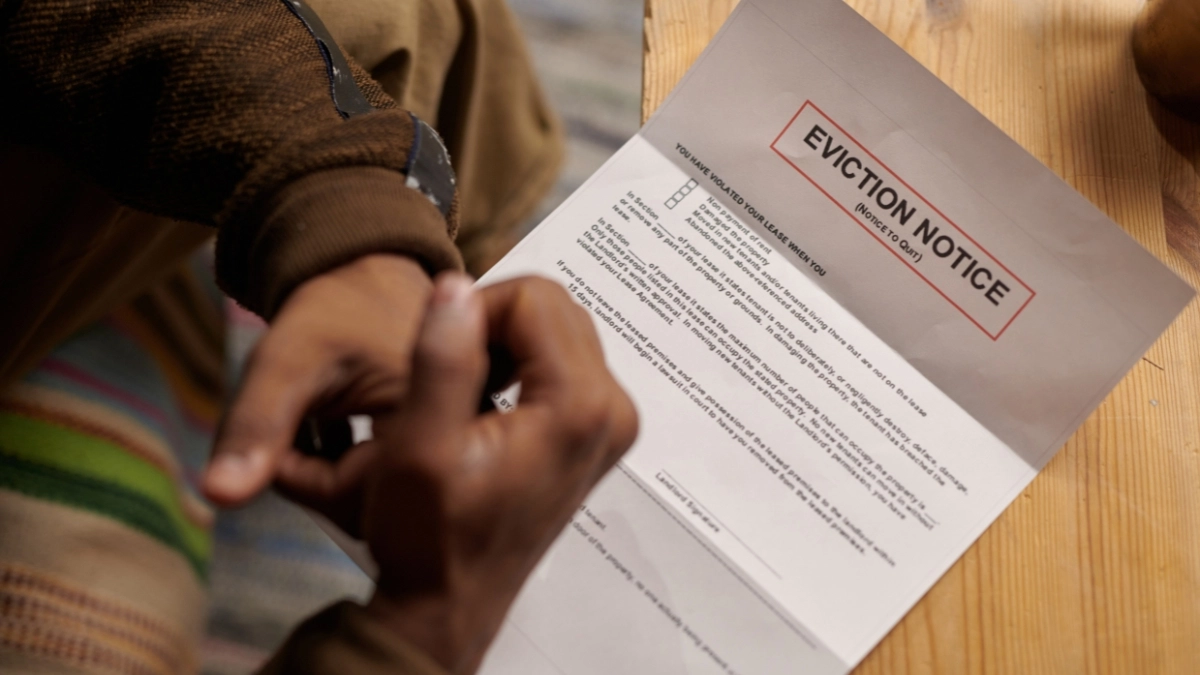
If a tenant stops paying for minor issues or fails to provide written notice, the tenant faces severe legal consequences withholding rent. The law does not protect a tenant who uses withholding rent for repairs as a tactic to manage personal financial struggles.
Risk of eviction for nonpayment
A landlord can initiate eviction if rent is withheld without proper legal justification. Courts usually treat unpaid rent as a default unless the tenant proves full compliance with tenant rights repairs.
Common triggers for eviction for withholding rent include:
- No formal repair notice or written notice sent
- Withholding rent for minor issues that do not violate habitability law
- Failure to place funds into rent escrow where required
- Ignoring timelines tied to notice to landlord repairs
In many cases, the landlord may issue a pay-or-quit notice and proceed with filing for eviction. A landlord can use online rent collection logs to prove the tenant missed payments, shifting the burden of proof to the tenant.
Legal consequences and court action
Improper rent withholding can result in court judgments, financial liability, and long-term rental impact. A judge will evaluate whether the landlord obligation was breached and whether the tenant followed legal procedure.
Possible outcomes include:
- Court order to repay all withheld rent
- Additional costs such as late fees, damages, or legal expenses
- Termination of the lease agreement
- Negative rental history affecting future housing opportunities
Courts also examine whether the issue truly created unsafe living conditions, such as plumbing issues, heating failure, or mold infestation. If the condition does not meet habitability law standards, the tenant may lose the case even if repairs were delayed.
A key takeaway is simple: withholding rent for repairs without strict compliance creates more legal risk than protection. In many situations, alternatives like repair and deduct or formal legal action provide a safer path under tenant rights by state.
State-specific Rules Tenants Should Know
Rent withholding laws vary by state, and a tenant must follow local procedure exactly to avoid eviction or lease violation. Each state applies habitability law differently, especially for withholding rent for repairs, repair and deduct, and rent escrow requirements. State law is only part of the picture. In some cities, local housing codes or tenant-protection rules may give tenants additional remedies or extra notice requirements.
Below is a simplified comparison of major states with accurate, commonly applied rules:
Understanding rent withholding laws by state protects both tenant and landlord, reduces disputes, and ensures compliance with the lease agreement.
Common Mistakes Tenants Make When Withholding Rent
Tenants often make legal errors when withholding rent, which increases risk of eviction or financial loss.
Common mistakes include:
- Skipping written notice to landlord: A tenant must send a formal written notice or repair notice before any withholding rent for repairs. Without notice, courts often reject the claim.
- Withholding for minor issues: Cosmetic problems like paint damage or small leaks do not meet habitability law standards and do not justify rent withholding for repairs.
- Not allowing reasonable repair time: A landlord obligation must be given a fair opportunity to fix issues such as plumbing issues, heating failure, or mold infestation before action is taken.
- Not using rent escrow when required: In many states, rent must be placed into rent escrow instead of being fully withheld. Skipping this step increases risk of eviction for withholding rent.
- Withholding full rent without proportionality: Courts often expect reducing rent due to repairs to match the reduced value of the rental property, not a full stop in payment unless the unit is completely uninhabitable.
- No documentation of repairs and communication: Lack of evidence such as photos, invoices, or notice to landlord repairs weakens the case and may result in lease violation findings.
Jumping to conclusions about when you can stop paying rent if things aren't fixed without legal verification often leads to a permanent eviction record, making it difficult to secure a future rental property.
Conclusion
A tenant can withhold rent for repairs only when strict habitability and legal requirements are fully met, and mistakes can quickly lead to eviction or financial loss. Both tenant rights and landlord obligation must be followed carefully under state-specific habitability law.
LeaseRunner provides clear resources and guidance to help both tenants and landlords understand rent withholding laws by state and avoid costly disputes. Using the right legal process ensures smoother resolution of repair issues in rental property and reduces unnecessary conflict.
FAQs
1. Can a tenant legally withhold rent for repairs?
Yes, a tenant can legally withhold rent in many states if the landlord fails to fix issues that make the home uninhabitable. The tenant must follow state-specific procedures, including giving written notice.
2. Do tenants have to notify the landlord first?
Yes, a tenant must send a written notice before withholding rent. Without notice, withholding rent may be considered a lease violation.
3. Are there safer alternatives to withholding rent?
Yes, repair-and-deduct and legal mediation are safer alternatives in many cases. These methods reduce risk of eviction.
4. How long should a tenant wait before taking action?
A tenant should wait a reasonable time based on the severity of the issue, usually between 24 hours and 30 days. Emergency issues require faster response.
Disclaimer: The information provided in this post is intended for general informational and educational purposes only. It should not be construed as legal, accounting, or tax advice. For guidance specific to your situation, we recommend consulting with a qualified professional in the relevant field before taking any action based on the content provided.