The maintenance checklist for rental property management is the single most important document for a landlord who values their time and money. At LeaseRunner, we believe that routine property maintenance should be easy, not a chore that keeps you up at night. A clear plan helps a property manager stay ahead of expensive repairs and keeps the tenant in a safe home.
Professional landlord property maintenance is about being proactive rather than waiting for things to break. By using a property management maintenance checklist template, you can track every small detail from the roof to the basement. This guide will help you manage rental property maintenance costs while keeping your rental property in peak condition for years to come.
What Is a Rental Property Maintenance Checklist?
A maintenance checklist for rental property is a tool for tracking a home’s condition. It includes actions like testing smoke alarms or patching roof leaks. Use an apartment maintenance checklist for large units or a landlord maintenance log for condos.
For instance, a landlord performs a quarterly maintenance check by flushing water heaters and reviewing HVAC system inspection notes. This property management maintenance checklist template prevents routine maintenance from being skipped. Understanding what property maintenance is protects your cash flow. LeaseRunner helps estimate maintenance costs for a profitable year.
General & Regular Maintenance Checklist

A landlord must establish a steady rhythm for routine property maintenance to prevent costly decay. By using a maintenance checklist for rental property, a property manager can find minor leaks before they cause damage to the flooring. LeaseRunner suggests keeping these records digital to help with your repair cost tracking over time.
1. Exterior Maintenance Checklist (Prevent Water & Structural Damage)
The outside of your rental property is the first thing people see and the first thing the weather hits. Routine maintenance here prevents costly water damage and liability issues.
- Roof & Gutters: Inspect roof/roofing materials for loose shingles and clear gutters to ensure the drainage system flows away from the foundation.
- Landscaping: Trim tree limbs back from windows and doors, and cut back overgrown bushes to remove hiding spots.
- Walkways: Check driveways and stairs for cracks or trip hazards.
- Lighting: Test all exterior and interior lighting sensors and bulbs to ensure the property is safe for the tenant at night
2. Interior Systems Maintenance Checklist
Inside the home, landlord maintenance focuses on the mechanical systems that provide comfort and utility. A preventive maintenance plan keeps the air clean and bills low.
- HVAC: Schedule a professional HVAC system inspection twice a year and replace filters every 3 months.
- Plumbing: Check for leaks under sinks, around toilets, and near the water heater.
- Security: Ensure all windows and doors lock tightly and that deadbolts are functioning.
- Flooring & Walls: Look for soft spots in the flooring (water damage) and cracks in the drywall.
3. Safety and Compliance Checklist
Safety is the most vital part of property maintenance for landlords. Landlords are legally required to comply with safety standards and regulations to keep their property insurance policies active.
- Detectors: Test every smoke and carbon monoxide detector, and replace batteries annually.
- Fire Safety: Verify fire extinguishers are fully charged and easily accessible.
- Exits: Ensure all fire escapes and egress windows are unblocked and operational.
- Railings: Tighten any loose handrails on stairs or balconies to prevent falls.
4. Appliances Maintenance Checklist
Appliances are often the cause of a late-night tenant maintenance request. Quarterly maintenance extends their lifespan and helps you avoid spending thousands on replacements.
- Refrigerator: Vacuum dusty coils and check door seals for airtightness.
- Dryer: Clean the lint trap and inspect the external vent line for fire hazards.
- Dishwasher: Check the drain filter for debris and look for leaks at the base.
- Stove/Oven: Test all burners and inspect the oven door gasket for heat loss.
Seasonal Maintenance Checklist for Rental Property
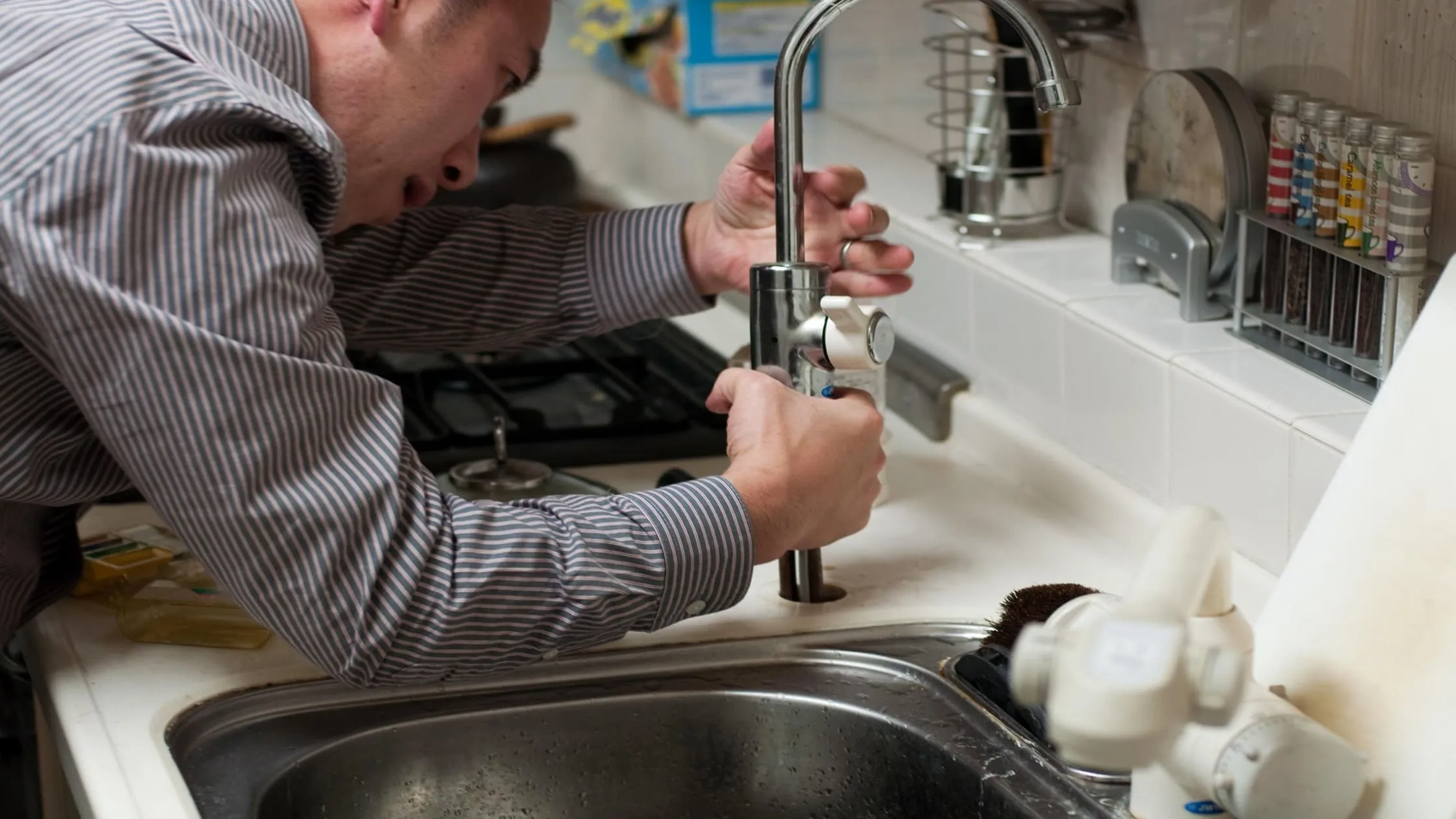
As the weather changes, so do the needs of your landlord's property maintenance plan. A maintenance checklist for rental property must adapt to heat, ice, and rain. Seasonal maintenance allows a property manager to fix issues before extreme weather worsens them, keeping rental property maintenance costs low.
Spring and Summer Maintenance Tasks
Spring is the best time for a full property inspection to repair winter damage and prepare for the heat.
- HVAC: Schedule a professional inspection of the HVAC system to clean coils and check refrigerant levels before summer.
- Roofing: Inspect roof/roofing materials for loose shingles or damage to flashing caused by ice dams.
- Exterior: Pressure wash siding and check for peeling paint or wood rot.
- Landscaping: Test sprinkler systems and fertilize the landscaping and yard to ensure healthy grass.
- Windows: Install screens on windows and doors, and clean tracks for smooth operation.
- Pests: Spray the perimeter to prevent ants and spiders from entering.
Fall and Winter Maintenance Tasks
Fall is the time to protect the rental property from freezing temperatures and heavy snow.
- Plumbing: Insulate exterior pipes and show the tenant how to shut off the main water valve to prevent water from bursting.
- Heating: Service the furnace and clean the chimney to prevent fire hazards.
- Insulation: Check window and door seals to block cold drafts and lower heating bills.
- Drainage: Clear leaves from the drainage system (gutters) to prevent water backup.
- Safety: Test all safety standards and regulations equipment, including smoke alarms, before the holidays.
- Yard: Prune dead tree branches in the landscaping and yard that could snap under heavy snow.
Common Rental Property Maintenance Mistakes Landlords Make
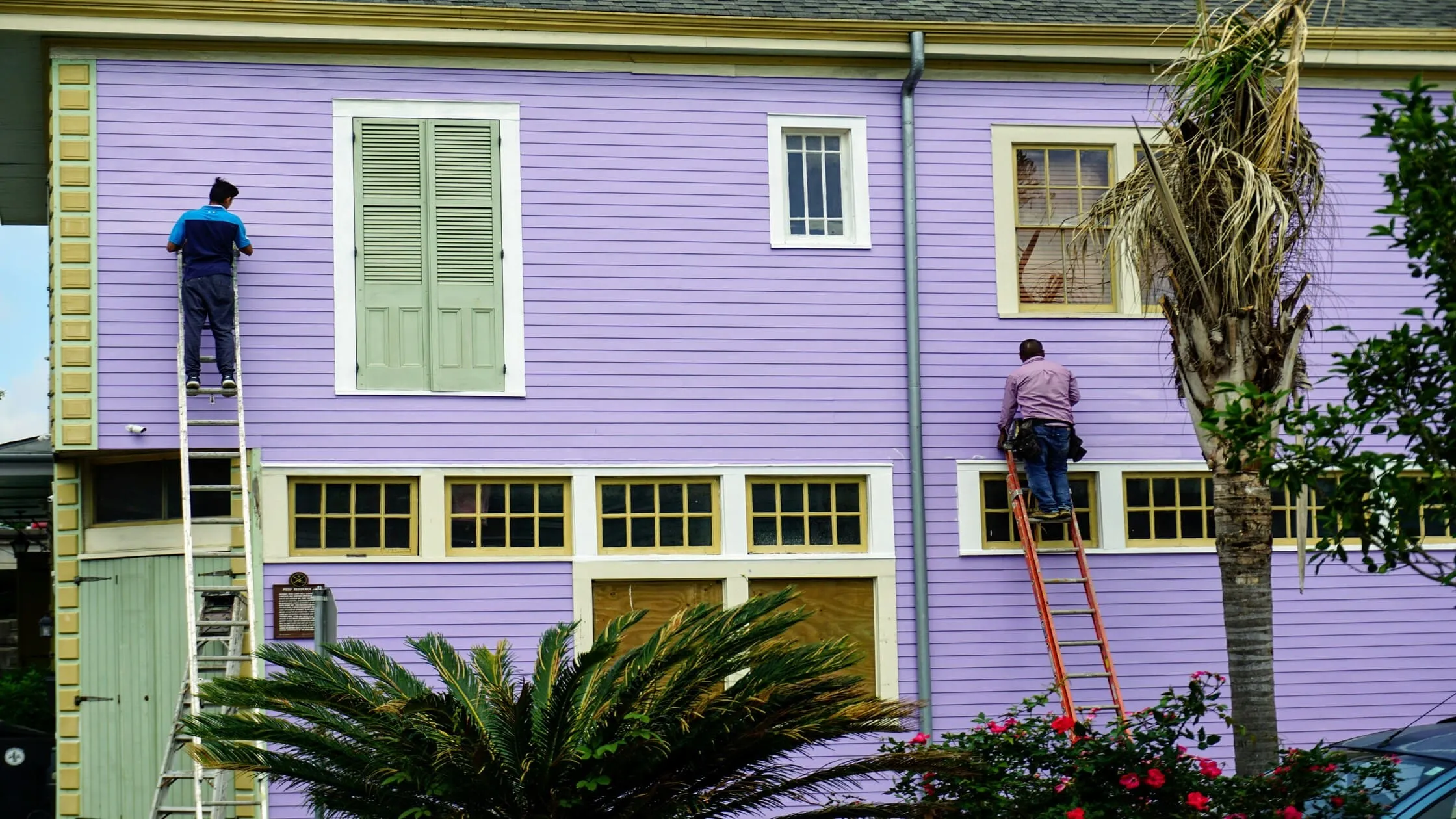
Even the best landlords make mistakes that drive up their maintenance costs for rental properties. Most of these errors happen when owners try to cut corners to save a few dollars today. Using a property management maintenance checklist template is the best way to stay on the right path.
Reading this section and knowing these traps can help your business grow. Small mistakes in landlord maintenance can lead to significant legal and financial headaches later.
Skipping Preventive Maintenance
The biggest error a landlord can make is skipping preventive maintenance. This process involves performing scheduled tasks to keep systems running, rather than waiting for them to break. Common examples include changing air filters, flushing sediment from water heaters, and cleaning debris from gutters. Landlords often ignore these small jobs to save time.
However, skipping a simple HVAC system inspection can lead to a total furnace failure that costs thousands. This neglect also puts the habitability warranty at risk. A qualified tenant notices when property upkeep is ignored and will likely move out.
Ignoring Small Leaks or Minor Repairs
A tiny drip under the sink can slowly destroy the flooring and lead to dangerous mold growth. Landlords who ignore a tenant maintenance request for a small fix are asking for trouble. Water damage is the most expensive type of building maintenance because it is often hidden from view.
By fixing small leaks during a monthly maintenance check, you protect your rental property maintenance budget. Taking care of the "small stuff" ensures that the tenant feels respected and safe in their home.
Failing to Document Maintenance Work
If you fix the roof/roofing materials but don't write it down, you have no proof for your records. Failing to keep maintenance logs and documentation is a major risk for any property manager. If there is a legal dispute, these logs prove that you follow the Fair Housing Act (FHA) rules.
How Much Does Rental Property Maintenance Cost Per Year?
Every landlord must know how to plan for rental property maintenance costs to stay profitable. You cannot just guess; you must use math to build a real rental property maintenance budget.
Most owners find that property maintenance for landlords costs about 1% of the property value each year. Understanding property maintenance pricing helps you set the right rent. This ensures you have the cash when you need to fix a drainage system or replace the flooring.
Average Annual Maintenance Costs
On average, a landlord should plan to spend about $1,500 to $3,000 per unit each year on routine maintenance. For an apartment maintenance checklist, you might share some costs with other owners, but you still need a repair fund.
Costs cover everything from landscaping and yard care to the annual HVAC system inspection. Using repair cost tracking allows you to see exactly where your money is going each month. This is the only way to get an accurate estimate of future maintenance costs.
Budgeting Tips for Landlords
To manage your budget, set aside a fixed amount of rent each month into a separate "repair" account. You should also account for property management costs if you hire help for routine property maintenance.
Some owners use a "reserve fund" to cover big items like roofs and roofing materials. It is also vital to understand how much property managers charge for their help. Having a plan for the grace period on rent ensures you can still pay for a plumber if the rent is a few days late.
Legal Requirements for Rental Property Maintenance
A landlord is legally required to keep their property in good condition at all times. The Residential Landlord-Tenant Law says that every home must meet the warranty of habitability.
This means the home must have heat, water, and be safe to live in. If you fail to meet safety standards and regulations, the tenant may have the right to move out. Landlords must also be fair and comply with the Fair Housing Act (FHA) when deciding which units to fix first.
The legal side of landlord maintenance also means you must respect the tenant's privacy. You should know what a landlord cannot do, such as enter without permission for a non-emergency.
Always give proper notice before a property inspection to stay on the right side of the law. Using a maintenance checklist for rental property helps you demonstrate that you are fulfilling your duties. This protects you if you ever have to go to court over a tenant maintenance request.
Tips for Managing Rental Property Maintenance Efficiently
Being fast and organized with landlord property maintenance saves you hours of work. A smart landlord uses a property management maintenance checklist template to stay on task.
At LeaseRunner, we help you automate your tasks so you never miss an annual inspection. This makes your rental property run like a well-oiled machine. Being efficient means you have more time to focus on growing your business and finding new units.
Creating a Maintenance Schedule
A great landlord builds a calendar for all routine property maintenance at the start of the year. Mark the dates for your quarterly maintenance and your HVAC system inspection clearly. This plan should also include seasonal work, such as landscaping and yard care.
Hiring a maintenance service provider early often leads to better service and lower prices. A clear schedule reduces the stress of property maintenance for landlords. It also ensures that preventive maintenance is done before the weather turns bad.
Working With Tenants to Catch Issues Early
Your tenant is the one who sees the property every day, so work closely with them. Ask them to submit a tenant maintenance request as soon as they notice a drip or a crack. A good landlord makes it easy for renters to discuss property maintenance issues.
You might want to explain the difference between leasing and renting so they understand their role in the home. If they feel you care about the flooring, windows, and doors, they will take better care of them, too.
Using Maintenance Logs and Documentation
Keeping maintenance logs and documentation is the only way to track your success. Record every visit from a maintenance service provider and keep every receipt for your repair cost tracking.
This creates a history for the rental property that is very helpful if you ever sell the building. It also helps if you are curious about house hacking and want to keep your own costs low while living with roommates. Good records prove that you follow all safety standards and regulations to the letter.
Conclusion
Maintenance checklist for rental property success is built on being proactive and organized every single day. By doing your routine property maintenance, you save your investment from the high costs of neglect. Whether you use an apartment maintenance checklist or a house plan, the goal is the same: safety and value.
Landlord property maintenance is not just an expense; it is the best way to keep a qualified tenant for the long term. At LeaseRunner, we provide the tools you need to track property upkeep and rental property maintenance costs with ease. By following a clear maintenance checklist for rental property, you ensure that your business remains strong and your property stays beautiful for years to come.
FAQs
1. What maintenance should a landlord do regularly?
A landlord should focus on routine property maintenance, such as testing smoke and carbon monoxide detectors. You must also check the roofing materials and do an HVAC system inspection twice a year. Keeping up with landscaping and yard maintenance, and checking exterior and interior lighting, are also vital for safety.
2. How often should landlords perform property maintenance?
You should do a monthly maintenance walk-around and a deep quarterly maintenance check. An annual inspection is required to check the flooring, windows and doors, and overall structure. Regular property upkeep ensures your tenant's warranty of habitability is always met.
3. Are landlords legally required to maintain rental properties?
Yes, Residential Landlord-Tenant Law says a landlord must keep the home safe and clean. This means following all safety standards and regulations for the rental property. If the landlord fails to perform maintenance, the tenant may be able to stop paying rent until the home is repaired.
4. What are the 5 basic functions of maintenance?
The five functions are preventive maintenance, routine work, emergency repairs, cosmetic fixes, and safety checks. A maintenance checklist for rental property helps you track all five. This keeps your rental property maintenance budget healthy and ensures the building maintenance is never forgotten.
Disclaimer: The information provided in this post is intended for general informational and educational purposes only. It should not be construed as legal, accounting, or tax advice. For guidance specific to your situation, we recommend consulting with a qualified professional in the relevant field before taking any action based on the content provided.