If you want to know where to post rental property for free, start with platforms that offer a genuine free listing tier and, when possible, rental listing syndication. In 2026, Zillow Rental Manager, Avail, TurboTenant, Innago, and Apartments.com all offer free ways to advertise residential rentals, although the number of sites reached and available features vary.
The goal is not to post everywhere. It is to get strong listing exposure, manage tenant leads, and move qualified renters into one application and screening process.
Key takeaways:
- Zillow Rental Manager, TurboTenant, Avail, Innago, and Apartments.com offer free ways to advertise rentals, but free features and syndication networks vary.
- Syndication distributes one listing across many rental websites, so you do not re-post the same ad by hand.
- Use neutral, fair-housing-compliant language and apply the same written screening criteria to every applicant.
- Track inquiries, showings, applications, and days on market to see which channels actually reduce vacancy time.
Where to Post Rental Property for Free: Comparison Table
Choosing the right platform depends on syndication, tenant screening, and the software you want bundled in. Here is how the main free options compare.
| Platform | Free tier? | Where your listing appears | Best for |
| TurboTenant | Yes | Realtor.com, Redfin, Rent.com, Zumper, Apartments.com (under 5 units) | DIY landlords wanting wide reach |
| Innago | Yes | Realtor.com, Zumper, DoorSteps, RentHop | Landlords seeking no-cost software |
| Avail | Yes | Zumper, Realtor.com, Apartments.com network (varies) | Independent landlords needing compliance |
| Zillow Rental Manager | Standard listing free | Zillow, Trulia, HotPads | Single-family rentals in busy cities |
| Apartments.com | Yes (1–4 units) | Apartments.com, ForRent, ApartmentFinder | Small multifamily and apartments |
| Rent.com | Yes (via partners) | Redfin and the Rent. network | Urban and suburban rentals |
| Zumper | Yes (most markets) | Zumper, PadMapper | Quick turnarounds |
| RentDigs | Yes | RentDigs, Trovit, Oodle | Simple free ads |
| Trulia | Via Zillow only | Zillow Rental Manager syndication | Suburban single-family rentals |
| Apartment List | Pay per lease | Apartment List | Multifamily operators |
Sources: official pages of TurboTenant, Zillow Rental Manager, Avail, Apartments.com, Innago, Redfin Rental Tools, Zumper, and Apartment List. Verified September 2026.
Top 10 Free Sites to Post Your Rental Property
The best free rental listing sites fall into two groups: all-in-one landlord platforms that syndicate to dozens of partners, and standalone marketplaces that take direct submissions. Both get a listing in front of renters with no upfront cost.
1. TurboTenant
TurboTenant syndicates unlimited listings to more than 25 partner sites at no cost, including Apartments.com, Redfin, Rent.com, HotPads, and Homes.com. It also includes an AI listing description tool, a lead dashboard, and free tenant screening through TransUnion.
2. Innago
Innago charges no monthly fee at any portfolio size and covers listing syndication, rent collection, and lease signing in one dashboard. It recovers its cost through optional tenant-paid fees. The trade-off is a smaller syndication footprint than platforms built around rental marketing.
3. Avail
Avail's free plan syndicates to 19 or more rental sites, including Realtor.com, Zumper, and Apartment List, and includes TransUnion-based screening and digital leases. The paid Unlimited Plus tier runs roughly $9 per unit per month.
4. Zillow
Zillow Rental Manager lets you post a standard listing for free, and it appears across Zillow, Trulia, and HotPads, a network Zillow says draws more than 30 million visitors a month. A premium upgrade costs a flat $39.99 for up to 90 days. The limit: a standard listing only reaches the Zillow Group network.
5. Apartments.com
The free package covers properties with one to four units, with 21 days of standard visibility across six sites in the Apartments.com Network. Properties with five or more units go through the sales team instead.
6. Rent.com
Rent.com, ApartmentGuide.com, and Rentals.com make up the Rent. network, which Redfin owns. Independent landlords with 10 or fewer properties of four or fewer units each can post free through Redfin Rental Tools, or reach it through a syndication platform like TurboTenant.
7. Zumper
Zumper lets landlords post directly at no cost in most markets, though larger metros often cap free listings at five. Listings extend to PadMapper and Facebook Marketplace, and Zumper tends to attract renters searching for a specific unit.
8. RentDigs
RentDigs is free for landlords and tenants, with listings also syndicated to Oodle, Trovit, and RentJungle. Tenants must create an account before contacting you, which filters out some low-intent inquiries.
9. Trulia
Trulia does not accept listings from individual landlords directly. It receives them automatically once you post to Zillow Rental Manager, with neighborhood context such as school and crime data added alongside.
10. Apartment List
Apartment List is free to list and bills only when a matched renter signs a lease. It is built mainly for multifamily operators, and some roundups report a minimum of about 20 units, so independent landlords should confirm eligibility first.
What to Look For in a Free Rental Listing Site
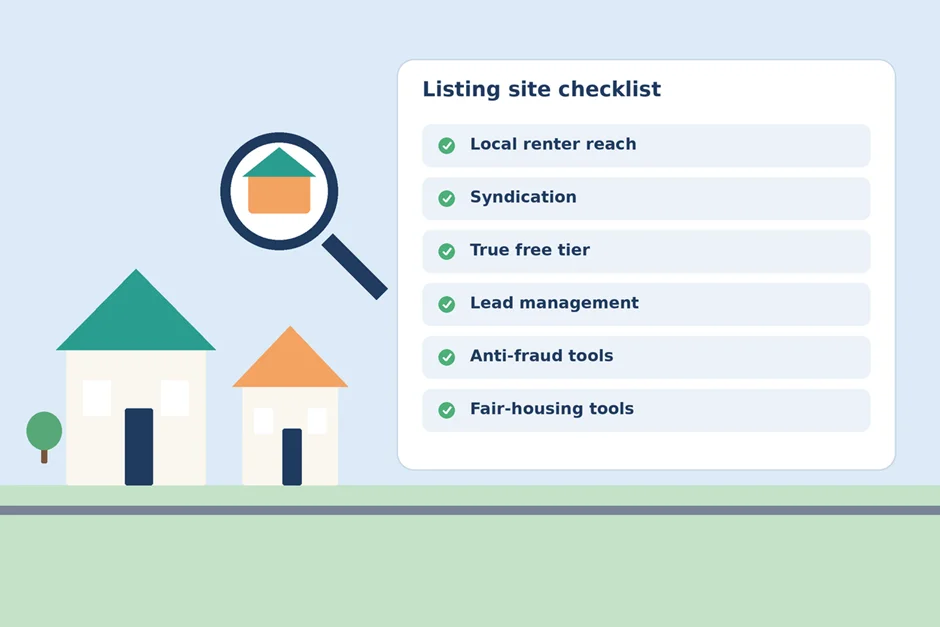
No single platform wins on every count. Weigh these factors against your portfolio size and available time:
- Local renter reach: real traffic in your city or ZIP code, not just national visitor counts.
- Syndication: whether one listing distributes to additional partner sites.
- A true free tier: real functionality, not mainly an upsell to a paid plan.
- Lead management: inquiries landing in one dashboard instead of scattered inboxes.
- Application workflow and anti-fraud tools: renters apply through the listing, and the platform verifies listings and messages.
- Data ownership: the ability to export listing and applicant data if you switch platforms.
How to Write a Free Listing That Attracts Qualified Renters
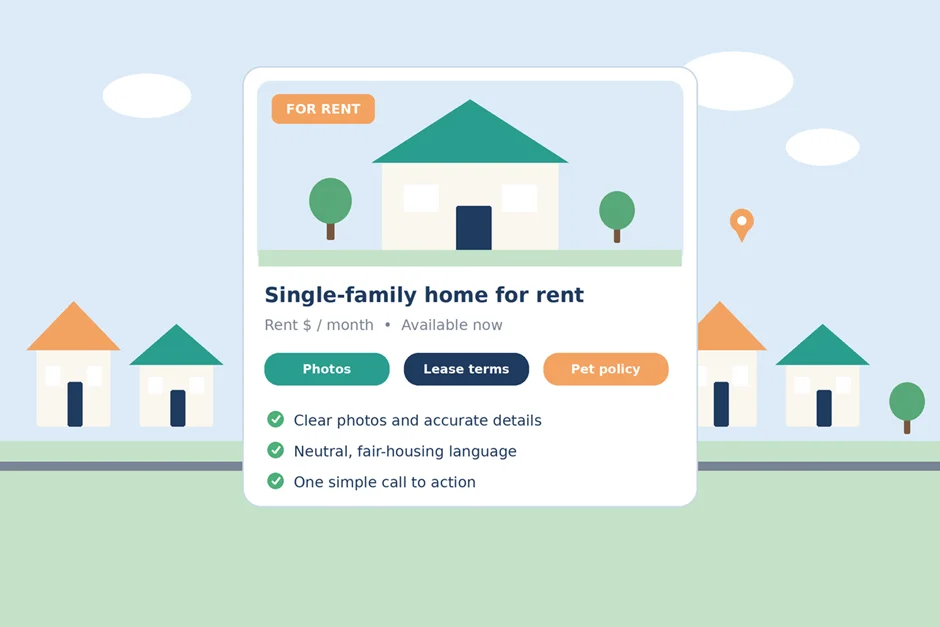
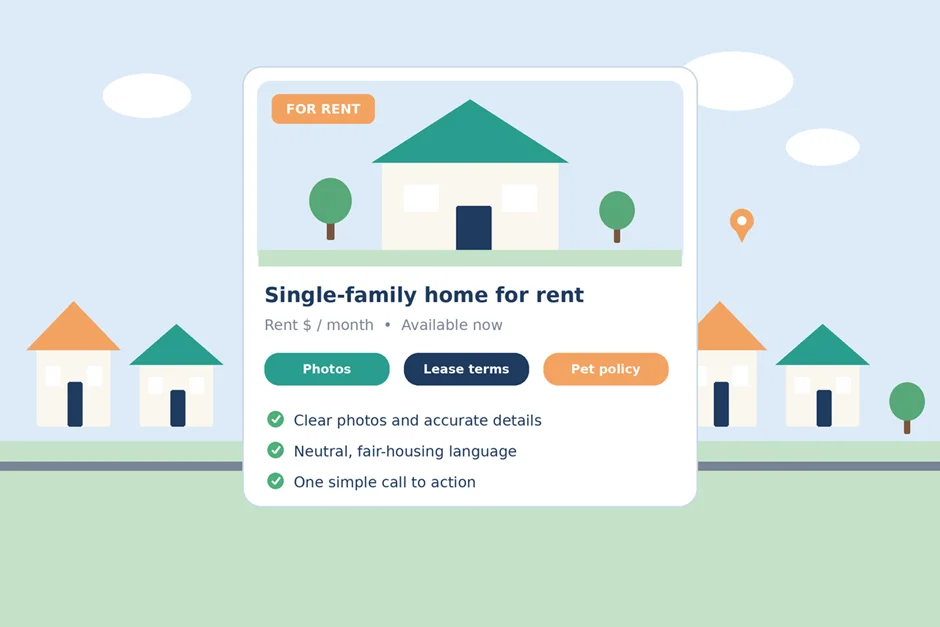
A good listing balances detailed property information with fair housing rules. Open with rent and availability, follow with a feature summary, then terms. Lead with features a renter can confirm at a showing, such as updated appliances, in-unit laundry, or off-street parking, and skip subjective words like "cozy." Use eight to twelve photos covering every room and the exterior, since too few can make a listing look like a scam. State lease length, deposit, and pet policy up front, and end with one clear next step such as "apply online at [link]."
Every listing must also avoid language that expresses a preference based on a protected class. The federal Fair Housing Act covers advertising as well as tenant selection (42 U.S.C. 3604(c)), and many states add protected classes such as source of income. For a full step-by-step on the ad itself, see how to list your house for rent.
What to Do After You Post: Screen Every Lead the Same Way
After you publish, apply one consistent screening process to every applicant, no matter which site the inquiry came from. A consistent process usually includes a rental application, a credit and background check, income verification, and a call to prior landlords; the tenant screening guide walks through each step. If you deny an applicant or raise the deposit based on a report, the Fair Credit Reporting Act requires an adverse action notice (see the FTC's guidance for landlords).
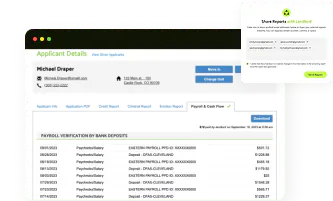
LeaseRunner's screening reports pair standard credit and background checks with RS³ (Rental Screening Science Score), a model built on verified income and cash-flow data, so you can see whether an applicant can sustain the advertised rent over time.
FAQs
Does Facebook Marketplace allow free rental listings?
Yes, but every housing listing must still follow the federal Fair Housing Act. Meta's advertising policy on discriminatory practices applies to housing posts.
How does rental syndication work?
Syndication takes one listing entered on a platform like TurboTenant, Avail, or Zumper and republishes it across that platform's partner network. Update rent, availability, or photos once, and the change spreads to every connected site.
Is it better to post on many sites or a few?
Usually a few. One or two syndication platforms that each reach dozens of partner sites beat manual posting, because they multiply exposure without multiplying updates. For a single vacancy in a competitive market, add a high-traffic local site such as a city Facebook group. See also the best way to find tenants.
Conclusion
Where to post rental property for free comes down to your portfolio: use one or two syndication platforms such as TurboTenant or Avail for wide reach, add Zillow for the largest renter audience, and screen every applicant the same way. Track which channels bring qualified applications, and drop the rest.
Disclaimer: The information provided in this post is intended for general informational and educational purposes only. It should not be construed as legal, accounting, or tax advice. For guidance specific to your situation, we recommend consulting with a qualified professional in the relevant field before taking any action based on the content provided.