Finding the right person for a rental unit starts with one key question: how much does tenant screening cost in today's housing market? For a landlord or a property manager, the answer is not a single flat rate. It is a spectrum based on data depth and legal caps.
Every real estate investor knows that the price of high-quality data is low. It is much cheaper than the high cost of a bad eviction. By understanding tenant screening pricing and fees, landowners can manage their costs. They also stay compliant with the Fair Credit Reporting Act (FCRA) and data privacy laws.

Typical Pricing Ranges for Tenant Screening Services
When evaluating your budget, knowing the average tenant screening cost helps you set the right expectations. Generally, tenant screening pricing fluctuates based on the specific data layers a landlord selects. While affordable tenant screening services can start as low as $10 for single-bureau data, most robust reports require a slightly higher investment to ensure true property safety.
To maximize your ROI and cover all bases, consider these real-market pricing tiers:
- Basic Screening ($10 - $35): This entry-level tenant background check cost typically includes a simple credit report or identity check. While cost-effective, these limited reports often miss critical criminal or eviction data.
- Standard/Mid-Tier ($30 - $55): These plans are the industry standard. They combine a credit report, a national criminal background check, and eviction history. For most, this balances the cost of a tenant background check with the necessary protection.
- Comprehensive Bundles ($50 - $100+): If you need to know how much it costs to manually reference a tenant, expect higher fees. These packages include in-depth income verification, employment checks, and fraud detection, tasks that automated tools cannot always handle perfectly.
Beyond the package itself, several external factors influence the final bill:
- Who Pays: Most platforms allow the landlord to pass the fee to the tenant, making the service effectively free for the property manager.
- State Regulations: Location matters. For example, New York limits screening fees to $20. Meanwhile, the tenant screening fee in California is capped by the state (approx. $66.92), but must reflect the actual cost of a tenant background check.
- Package Inclusions: Adding manual services, like calling past landlords or specific pet screening, will increase the total screening fee for the rental.
A smart real estate investor chooses a plan that matches the risk level of their specific unit. High-end rentals often justify the $100+ cost of manual “pro-searches" to ensure the highest-quality occupancy.
How Much Does Tenant Screening Cost?

With LeaseRunner, tenant screening costs are flexible, typically ranging from $10 to $23 per individual report, depending on the data you choose. Unlike rigid pricing models that force property managers to buy expensive bundles of unnecessary features, the system lets landowners pay only for the information they actually need. This approach ensures the screening fee for rental matches the property's specific risk level.
LeaseRunner offers a transparent pricing model that gives landowners full control over the final bill. Here is the clear breakdown of the fees for tenant screening:
- Credit Report ($23): This report provides a full credit profile with a score powered by Experian Connect. It helps determine if a tenant is financially responsible without overcharging.
- Criminal Report ($17): This includes a nationwide search for felony and misdemeanor records. It is a vital safety tool that keeps the overall tenant background check cost low while ensuring security.
- Eviction Report ($14): Essential for any real estate investor. It reveals past rental issues that a standard credit check often misses.
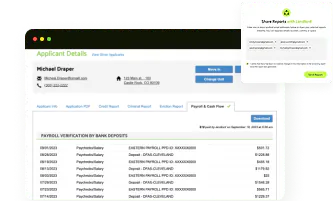
- Financial Report ($10): This service verifies bank account information and income to confirm that the applicant can genuinely afford the rent.
By selecting only the reports you need, you can manage the screening costs efficiently and securely.
Are Tenant Screening Legal for Landlords?
Yes, performing a background check is legal and standard across all 50 states. However, every landlord must comply with strict federal tenant-screening regulations to avoid heavy fines. The Fair Credit Reporting Act dictates how a property manager uses data to make housing decisions.
It is a firm legal rule that landowners must obtain written consent from an applicant before pulling any records. Furthermore, data privacy laws require you to handle sensitive information, such as Social Security numbers, with extreme care to prevent identity theft. To remain compliant, a real estate investor should focus on these legal actions:
- Obtain Written Authorization: Always secure a signed release from the tenant before accessing their private history.
- Adhere to Fee Caps: In 2026, landowners must adhere to price limits. For example, the maximum tenant screening fee in California is approximately $66.92 per applicant.
- Respect Fair Chance Laws: Be aware that some cities limit how landlords can use older criminal records.
- Secure Data Storage: Use professional platforms like LeaseRunner to process files, ensuring you never store risky data on a personal device.
Knowing how much screening costs is only half the battle; staying legal protects your entire portfolio from litigation.
What Is Included in a Tenant Screening Package?
A professional package gives the landlord a comprehensive view of an applicant. Understanding what a tenant screening report involves looking at different parts. These parts justify the screening fees. The landowners need to see how a tenant has paid bills in the past. This helps predict if they will pay the rent on time in the future.
1. Credit Report & Score
The credit report is the primary tool to verify an applicant's financial health. Landowners must understand what to look for in a credit check to identify real risks. Key red flags include a history of late payments, significant debt sent to collections, or recent bankruptcies. A credit check typically costs around $15 to $30 of the total screening fee for rental. Using reputable data from sources like Experian Connect ensures the score is accurate and up to date.
2. National Criminal Background Check
A criminal search looks for crimes in state and federal files. This is a key part of the tenant background check cost. It keeps other residents and the property safe. A real estate investor should check the sex offender list, too. For a landlord, this report is the best way to stop trouble before it starts.
3. Eviction History
An eviction report shows whether a tenant was evicted by a former landlord. This adds to the average tenant screening cost. Still, it is a great way to see future risk. A property manager who ignores an eviction will likely have issues later. The landowners must use this to protect their income.
4. Identity Verification
Fraud is a big issue now. This makes ID checks a standard part of tenant screening. This step proves the name and Social Security number match. It stops bad actors from hiding their past. The landowners use this to ensure the legal contract is with the right person.
5. Rental Application
The application has the tenant’s details and job history. Some free tenant screening tools offer basic forms. The real value is in checking that data. A property manager will call past landlords. This manual work is a core part of tenant screening.
Benefits of Tenant Screening for Landlords

Thorough vetting is the best way for a landlord to protect their rental property from financial loss. By following a tenant screening checklist, the landlords can find reliable residents with a clear history. A property manager who skips this step risks a "professional tenant."
These individuals often move from one unit to the next without paying. Using modern tools or services in this field helps a real estate investor avoid these costly mistakes by spotting hidden risks. To see the value, consider these critical impacts and actions:
- Prevent Expensive Evictions: The average cost to evict someone in 2026 ranges from $3,500 to $10,000. Professional screening reduces this risk from 15.8% down to just 4.1%.
- Identify Performance Risks: Identifying red flags in background checks helps you find people who pay on time. Screening tools like ResidentScore are 15% more accurate at predicting defaults than standard credit scores.
- Protect Physical Assets: A landlord can find a past history of property damage or neighbor complaints. This keeps your building safe and helps you avoid thousands in repair bills later.
- Save Administrative Time: A property manager can automate the data pull. This ensures they only spend time on the most qualified applicants.
At LeaseRunner, we believe the small tenant background check cost is a wise investment. It brings peace of mind to any property manager by using data over a "gut feeling." For a real estate investor, the savings from just one avoided vacancy can pay for years of screening fees. Protecting your cash flow starts with knowing exactly who is moving into your property.
Who Pays for Tenant Screening: Landlords vs. Applicants
Most of the time, the tenant pays the screening fees. This ensures landowners deal only with serious people. It is a standard way to protect the landlord’s money. Passing the tenant background check costs to the applicant is common in the industry.
In some tight markets, a landlord might pay the tenant screening fees. They do this to get more people to apply. If a property manager charges a screening fee for a rental, they must issue a receipt. Many states require this by law. Using LeaseRunner makes this easy. The tenant pays the site directly. This removes the task from the real estate investor.
Key Difference between Application Fees & Screening Fees

Understanding the distinctions among various charges is essential for landowners to maintain a lawful rental process. While often grouped together, application fees and screening fees serve two completely different financial and legal purposes.
- Application Fees (The “Labor" Cost): This fee compensates the property manager for the time spent processing the paperwork. It covers administrative tasks such as verifying the application for completeness, calling personal references, and managing the intake process. It is essentially a payment for the work done by the management team.
- Screening Fees (The “Data" Cost): In contrast, a screening fee is a direct reimbursement for the hard costs of pulling reports. This money pays the third-party provider for the data. You generally cannot mark this up for profit. If the cost of a tenant background check is $30, the fee charged should be $30.
The land owners must also navigate state-specific rules that treat these fees differently:
- Refundability Rules: In many states, if you collect a screening fee but never run the report (e.g., the unit is rented to an earlier applicant), you must refund that money. An application fee, however, might be non-refundable if the administrative work has already been completed.
- Strict Price Caps: Laws vary wildly. In New York, the law caps the total fee at $20, which effectively limits the depth of the check unless the landlord absorbs the difference. In Washington, the fee must not exceed the actual cost of a background check for tenants.
Knowing how long tenant screening takes helps justify these charges. Since reports arrive in 1-3 days, applicants need to know their funds are being used. Furthermore, if you manage subsidized units, you must learn how to screen Section 8 tenants to ensure you don't apply discriminatory surcharges. Transparency is your best defense; always itemize receipts to show exactly where the funds went.
Conclusion
Asking how much tenant screening costs is the first step to a safe rental. For landowners, the screening fee for rental is a vital investment. It protects the property from risk. Whether a landlord wants to know how much a background check costs for an apartment or how much the tenant screening fee is in specific states (like California), data is key. Using tools from LeaseRunner keeps a real estate investor in compliance with the Fair Credit Reporting Act (FCRA) and data privacy laws. A good check today saves a lot of money tomorrow.
FAQs
1. Can Landlords Charge Tenants for Screening Fees?
Yes, a landlord can usually charge a tenant for screening fees. The land owners must not charge more than the actual cost of the reports. Always check your local tenant screening regulations. Some places have strict limits on these fees.
2. Are There Any Free Tenant Screening Options Available?
There are free tenant screening tools that the landlord pays nothing for. In this case, the tenant pays the company. This is a good way to find affordable tenant screening services. Be careful with "totally free" sites. They often have bad data that violates the Fair Credit Reporting Act (FCRA).
3. How Do I Choose the Best Tenant Screening Service?
A property manager should look for accuracy and ease of use. LeaseRunner handles the tenant background check cost well. Our service is a top pick for any real estate investor seeking a simple, legal process.
Disclaimer: The information provided in this post is intended for general informational and educational purposes only. It should not be construed as legal, accounting, or tax advice. For guidance specific to your situation, we recommend consulting with a qualified professional in the relevant field before taking any action based on the content provided.