To evict a tenant legally, a landlord must have valid grounds, serve the correct eviction notice, file an unlawful detainer lawsuit if the tenant won’t leave, win the eviction hearing, and have the sheriff execute the removal. Skipping any step or using self-help tactics can lead to lawsuits, fines, or delayed eviction. This guide walks landlords through the eviction process step by step, from legal grounds for eviction to the final sheriff eviction process.
What Are the Legal Grounds to Evict a Tenant?

Legal grounds for eviction require a specific contractual breach or statutory violation committed by the tenant before a landlord can initiate court action. State law does not allow a tenant to be removed based on personal disagreements or arbitrary preferences.
Every state requires landlords to have a legally recognized reason before filing an eviction lawsuit. The most common grounds are outlined below:
Non-payment of Rent
Non-payment of rent is the most common legal ground for eviction. When a tenant fails to pay rent on time, the landlord can serve a pay-or-quit notice, typically giving the tenant 3–5 days to pay or vacate. If the tenant doesn’t pay, the landlord can file an unlawful detainer lawsuit.
Lease Violations
Lease violations occur when a tenant breaks terms in the lease agreement, such as having unauthorized pets, subletting without permission, or exceeding occupancy limits. Before filing an eviction lawsuit, landlords generally must serve the legally required eviction notice and allow any applicable compliance period required under state law. Repeated violations can lead to eviction without a cure period in some states.
Illegal Activity
Illegal activity may be a valid legal ground for eviction, but the eviction process must still follow applicable state landlord-tenant law. A criminal arrest alone does not automatically allow a tenant to be removed, and the landlord may need evidence showing that the conduct violated the lease agreement or applicable law.
Examples of conduct that commonly supports an eviction include:
- Manufacturing or distributing illegal drugs on the property
- Violent criminal activity that threatens other residents
- Illegal use or storage of firearms where prohibited by law or the lease
- Operating an illegal business from the rental unit
Some states allow shorter notice periods for certain criminal conduct, while others still require the standard eviction notice and court process. Because the rules differ by jurisdiction, landlords should review state law before filing an unlawful detainer action.
Property Damage and Negligence
Significant property damage may justify an eviction when the damage goes beyond ordinary wear and tear or violates the tenant's responsibilities under the lease agreement. Minor scuffs, faded paint, or worn carpet are generally not valid grounds for eviction.
Landlords may have stronger legal grounds when a tenant intentionally damages the property or repeatedly fails to prevent serious damage, such as:
- Broken doors, windows, or walls
- Unauthorized alterations to the property
- Water damage caused by neglected leaks
- Hoarding or unsanitary conditions that create health or safety hazards
Before starting an eviction, landlords should document the condition of the property with photographs, inspection reports, repair estimates, and any written communication with the tenant. Clear documentation can help support an eviction lawsuit if the case proceeds to landlord-tenant court.

Just Cause vs. No-Fault Evictions
A just cause eviction is based on a legally recognized reason, such as non-payment of rent, a lease violation, or illegal activity. A no-fault eviction ends a tenancy even though the tenant has not violated the lease, often because the owner plans to occupy the property, substantially renovate the unit, or permanently remove it from the rental market.
Several states and local jurisdictions now limit when landlords may use no-fault evictions. For example, some states, like California, have strict just cause eviction laws that limit no-fault evictions.
How to Evict a Tenant Step by Step
The eviction process follows a series of legal steps designed to protect both the landlord's property rights and the tenant's right to due process. Each phase must be completed in the correct order in exact chronological order to secure a lawful judgment.
Here is how to start the eviction process and carry it through to completion.
1. Review the Lease and Confirm Legal Grounds
Before starting the eviction process, review the lease agreement and confirm that you have a valid legal ground under applicable state landlord-tenant law. Common legal grounds include:
- Non-payment of rent after any required grace period or notice period has expired.
- Lease violations, such as unauthorized occupants, pets, or other material breaches of the lease agreement.
- Illegal activity that violates the lease or state law, including certain criminal conduct occurring on the rental property.
- Lease expiration or holdover tenancy, when a tenant remains in possession after the tenancy has legally ended and state law permits eviction.
Once the legal ground is confirmed, gather supporting evidence such as the signed lease, rent records, inspection reports, photographs, and written communications before serving an eviction notice or filing an unlawful detainer action.
Before signing a lease, landlords can reduce eviction risk by using tenant background screening to identify applicants with prior eviction filings, poor rental history, or other potential warning signs.

2. Serve the Proper Eviction Notice (Notice to Vacate)
Serving a legally compliant eviction notice directly to the resident initiates the formal removal process. To meet basic eviction notice requirements, the document must accurately state tenant names, property addresses, exact violation dates, and select one of three main types of eviction notices:
- Pay or Quit Notice for non-payment of rent
- Cure or Quit Notice for certain lease violations
- Unconditional Quit Notice for serious or repeated violations where permitted by law
The notice must also be served using a legally accepted method. Depending on state requirements, service may be completed by certified mail, a process server, the sheriff, or another method authorized by law. An improperly served notice can delay or invalidate an unlawful detainer case.
3. Wait Out the Notice / Cure Period
Wait until the required cure period or notice period expires before filing an unlawful detainer lawsuit. During this time, the tenant may pay overdue rent, correct a lease violation, or move out voluntarily, depending on state landlord-tenant law.
Keep in mind that the cure period is calculated differently across states. For example:
- Some states count calendar days.
- Some exclude weekends or legal holidays in certain situations.
- Some calculate the deadline based on how the notice was served, such as personal delivery or mail.
Many eviction cases are resolved during the cure period because the tenant fixes the issue or leaves before the case reaches landlord-tenant court.
4. File an Unlawful Detainer Lawsuit at the Courthouse
If the tenant fails to fix the breach or surrender the property after the notice period expires, the landlord may file an unlawful detainer complaint with the appropriate local courthouse. This civil filing officially begins the eviction lawsuit to recover possession of the rental property.
- Filing the Complaint: File the unlawful detainer complaint with the local courthouse and pay the required court filing fee.
- Serving the Papers: The tenant must be served with the summons and complaint using a method permitted under state law, such as a process server, the sheriff, or another authorized individual.
- Default Judgment: If the tenant does not file a timely response or fails to appear in court, the landlord may request a default judgment, subject to the court's rules and applicable state landlord-tenant law.

5. Attend the Eviction Hearing
Both the landlord and the tenant must appear at the landlord-tenant court for the scheduled eviction hearing process. Bring the original lease agreement, proof of service, and supporting evidence to the hearing. The judge will review the evidence from both parties before issuing a final verbal and written ruling.
6. Obtain the Writ of Possession
Securing a formal writ of possession from the court clerk is required immediately after winning an eviction hearing. The writ of possession serves as the official legal authorization empowering law enforcement officers to execute physical removal. Property owners lack the legal authority to reclaim possession until the court clerk issues this final document.
7. Sheriff Executes the Removal
If the tenant still does not leave after the court issues a writ of possession, the sheriff or another authorized law enforcement officer completes the final removal in accordance with state law. Once possession is returned, the landlord may secure the property, including changing the locks where permitted.
After regaining possession, landlords should:
- Change the locks if permitted under state law.
- Take date- and time-stamped photos or videos of the property's condition before cleaning or making repairs.
- Document any damage beyond ordinary wear and tear to help support security deposit deductions, if applicable.
Source: U.S. Department of Housing and Urban Development (HUD); applicable state landlord-tenant statutes.
What's the Difference Between Legal Eviction and Self-Help Eviction?
Legal eviction runs through the courts and ends with a sheriff enforcing a signed writ of possession; self-help eviction is when a landlord tries to force the tenant out directly, without ever going to court.
The distinction between self-eviction vs court eviction comes down to court supervision and civil rights protection. A court-ordered eviction respects due process, protecting landlords from liability while using law enforcement to enforce property rights.
A self-help eviction involves a landlord attempting to bypass the court system entirely to force a tenant out. Actions like replacing deadbolts, locking out a tenant, or removing tenant belongings independently constitute serious legal violations. Courts routinely penalize landlords who use self-help methods, forcing owners to pay massive financial damages to the tenant.
How Does the Eviction Process Differ by State?
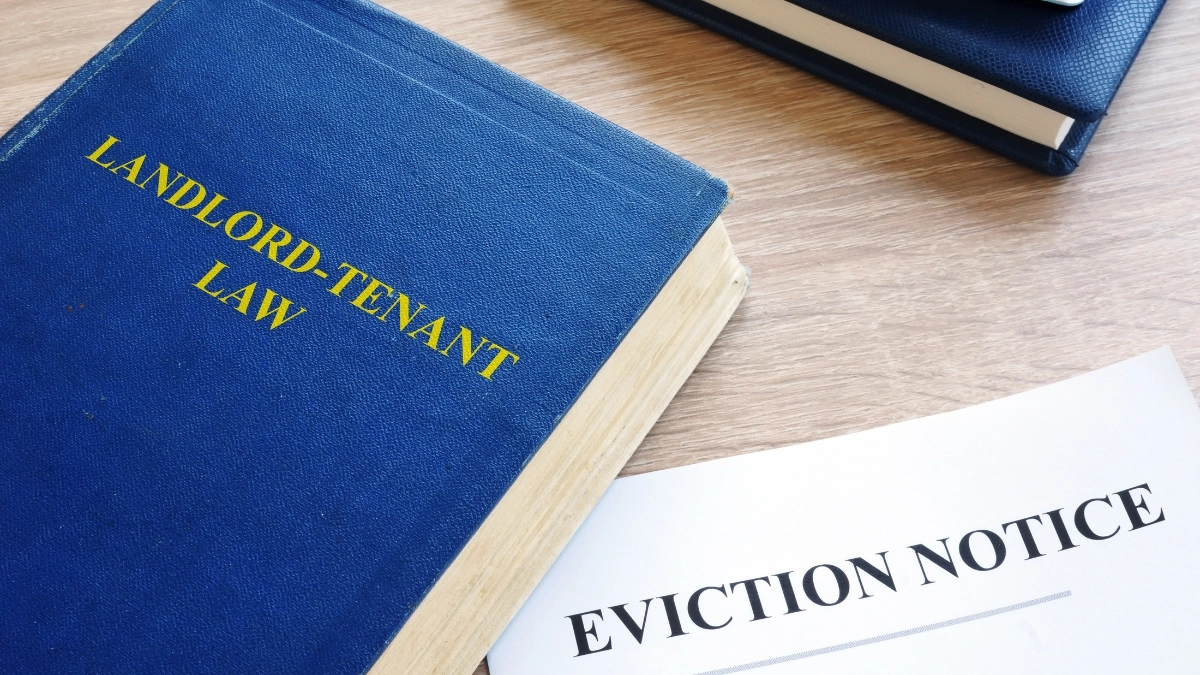
State laws dictate the exact speed, notices, and procedural rules for every single landlord-tenant dispute in America. Depending on the state, the same eviction case may take only a few weeks or several months to complete. Landlords must obey local statutes perfectly to avoid immediate case dismissal.
- Texas: Landlords enjoy a fast eviction process, requiring a default 3-day written Notice to Vacate for non-payment before filing a lawsuit. However, a written lease can legally shorten this window to 24 hours. (Texas Property Code § 24.005)
- California: Landlords face strict regulations, requiring a 3-court-day Notice to Pay Rent or Quit that strictly excludes weekends and holidays, while mandatory tenant protection disclosures must already be integrated into the lease agreement. (California Code of Civil Procedure § 1161).
- New York: The process is highly protective of tenants and often takes several months. Landlords must first send a certified 5-day late warning letter, followed by a mandatory 14-day Written Rent Demand for base rent only, which must include a Good Cause Eviction disclosure if applicable. (New York Real Property Actions and Proceedings Law § 711)
Because these rules shift dramatically across borders, landlords should consult a dedicated eviction timeline by state reference to calculate accurate local waiting periods.
How Much Does It Cost to Evict a Tenant?
The total financial cost to evict a tenant typically ranges from $3,500 to over $10,000 depending on attorney rates, court fees, and total months of lost rent. Landlords must view eviction as a major capital expense that directly damages rental business profitability.
Typical expenses may include:
The primary cost drivers include the overall duration of the case and whether the tenant hires legal representation to fight the lawsuit. Landlords can review an interactive expense breakdown at how much for an eviction notice to budget for these sudden legal expenditures.
Conclusion
Successfully evicting a tenant requires careful execution of local landlord-tenant laws, perfect documentation, and complete avoidance of self-help tactics. To protect your investment portfolio from expensive court battles, streamline your property management processes with LeaseRunner.
LeaseRunner offers robust tenant screening tools and legally compliant documentation software built specifically to help landlords manage tenancies safely and maximize long-term rental revenue.
FAQs
1. Can I evict a tenant without going to court?
No, a landlord cannot evict a tenant without obtaining an official court order through the formal legal system. Bypassing the local judiciary constitutes an illegal lockout, subjecting the property owner to severe civil penalties and costly lawsuits. Even an eviction without a lease requires a formal court process to legally reclaim property possession. Landlords can read more about handling tenancies lacking written contracts at eviction without a lease.
2. What happens if the tenant won't leave after the eviction notice?
If the tenant won't leave after the eviction notice, the landlord must file an unlawful detainer lawsuit. The court will schedule an eviction hearing process. Only the sheriff can remove the tenant.
3. Can I turn off utilities to make a tenant leave?
No. Turning off utilities is illegal self-help eviction. Landlords face fines and lawsuits for this tactic. Always use legal eviction through the courts. Learn about how to file a hardship stay of eviction if tenants claim hardship.
Disclaimer: The information provided in this post is intended for general informational and educational purposes only. It should not be construed as legal, accounting, or tax advice. For guidance specific to your situation, we recommend consulting with a qualified professional in the relevant field before taking any action based on the content provided.