Receiving an eviction notice often triggers one immediate question: can I pay rent after an eviction notice and make it go away? For many tenants, the notice feels like a final step, even when rent money becomes available shortly after. Confusion grows fast, especially when deadlines are short and legal language is unclear.
In reality, paying rent after an eviction notice does not always stop the process. The outcome depends on timing, the type of notice, and whether the landlord has already filed the eviction in court. Understanding how these factors interact can help tenants avoid costly mistakes and make informed decisions during a critical moment.
What an Eviction Notice Actually Means
An eviction notice is not the same as an eviction. It is a formal legal warning that a lease violation has occurred and that the landlord intends to take further action if the issue is not corrected.
In most cases, eviction notices are issued for:
- Nonpayment of rent
- Lease violations
- Expired lease terms
- Illegal activity
For nonpayment cases, the notice usually gives tenants a short period to either pay rent or vacate the property. The exact notice type and timeframe vary by state.
A detailed explanation of eviction notice requirements can be found in the guide on how to write an eviction notice, which outlines the legal elements landlords must include for a notice to be valid.
It is also important to understand the differences between notice types, as each carries different legal consequences. LeaseRunner’s overview of types of eviction notices explains how pay-or-quit notices differ from unconditional quit notices and lease termination notices.
What Happens After You Receive an Eviction Notice?
After an eviction notice is served, tenants are not required to move out immediately in most cases. An eviction notice is a legal warning, not a removal order. The next steps depend on the type of notice and how the tenant responds within the required timeframe.
When the notice is a pay-or-quit notice, tenants are usually given a short cure period—often 3, 5, or 7 days, depending on state law—to pay the full amount of rent owed. If payment is made correctly, on time, and accepted by the landlord, the eviction process may stop before any court action begins. During this notice period, tenants generally have the legal right to remain in the unit.
If the notice period expires and rent is not fully paid, the landlord may file an eviction lawsuit, often called an unlawful detainer action. Once the case is filed, eviction becomes a court-managed process rather than a private dispute between landlord and tenant.
After an eviction case is filed, several additional steps typically follow:
- The tenant is formally served with court papers, often within a few days
- A court hearing date is scheduled, commonly within 1 to 3 weeks, depending on the court’s docket
- The tenant may file a written response or answer before the hearing, if state law allows
At the court hearing, a judge reviews evidence from both sides. If the court rules in favor of the landlord, a judgment for possession is issued. This judgment does not usually require the tenant to leave the same day. Instead, the court authorizes the next enforcement step.
If the tenant does not move out voluntarily after the judgment, the landlord may request a writ of possession or similar court order. This allows a law enforcement officer, such as a sheriff or constable, to schedule the physical eviction. In many states, tenants receive a final notice, often providing 24 to 72 hours, before enforcement occurs.
At this stage, tenants often ask, “Can you still pay rent after eviction is filed?” The answer depends on state law and whether the landlord agrees to accept payment and dismiss the case. In many jurisdictions, payment after judgment does not automatically stop eviction unless the landlord formally withdraws the court order.
In summary, eviction is a process with multiple stages, not an immediate removal. Tenants are typically required to move only after a court judgment and enforcement order are issued. Understanding this timeline helps tenants make informed decisions and avoid unnecessary panic after receiving an eviction notice.
Can You Pay Rent After an Eviction Notice?
Yes, a tenant can attempt to pay rent after receiving a notice. However, whether that payment stops eviction depends entirely on timing, notice language, and landlord acceptance under state law.
Generally, rent can still be paid when:
- The notice period has not expired
- The notice allows payment as a cure
- The landlord agrees to accept payment
When these conditions are met, payment may fully resolve the issue and prevent the case from moving forward.
However, eviction law is strict about how payment is made. Rent payments usually must:
- Cover the full balance owed
- Be made within the notice deadline
- Use approved payment methods listed in the lease
Partial payments often do not stop eviction. Late payments made after the deadline may be rejected. Payments made by unapproved methods, such as personal checks or third-party transfers, may also be refused.
For tenants dealing with accumulated arrears, understanding how landlords calculate overdue rent is essential. Reviewing explanations of a past due rent notice can clarify what amounts are legally required, how fees are applied, and when payment is considered valid.
In short, paying rent after an eviction notice can allow a tenant to stay—but only if payment is made correctly, in full, and within the notice period. When those requirements are met, eviction usually stops. When they are not, eviction may proceed despite payment, even if the tenant acted in good faith.
When Landlords Can Refuse Rent?
A common misconception is that a landlord must always accept money offered by a tenant. In reality, there are several scenarios where a landlord can and often will refuse a payment to ensure the eviction proceeds.
Partial Payments
Most eviction notices require full payment of rent owed. Accepting partial rent may legally invalidate the eviction notice in some states. To avoid this, landlords often refuse partial payments once a notice is issued.
If a landlord accepts partial rent without a written agreement, the eviction may be delayed or dismissed. This issue is explored in detail on what can void a three-day notice.
Active Eviction Proceeding
Once an eviction lawsuit has been filed, landlords may refuse rent entirely. At that point, rent acceptance could undermine the legal case.
This is where the question “can you still pay rent after eviction is filed” becomes critical. In many jurisdictions, payment after filing does not automatically stop eviction unless the landlord formally agrees to dismiss the case.
Unapproved Payment Methods
Payment must follow the lease terms. Rent offered in cash, personal checks, or third-party transfers may be rejected if those methods are not authorized.
For example, if the notice requires a cashier's check but the tenant sends a personal check that has previously bounced, the landlord has the right to reject it.
Breach of Lease Terms
If the eviction is based on behavioral issues, such as illegal activity or property damage, rather than non-payment, the landlord is not required to accept rent. In these cases, can I still be evicted after paying rent? Yes, because the payment does not "cure" the non-monetary lease violation.
Post-Lease Termination
If a lease has naturally expired and the landlord has issued a notice to vacate because they do not wish to renew, they can refuse rent to avoid creating a new month-to-month tenancy.
What Happens If You Pay Rent After an Eviction Notice?
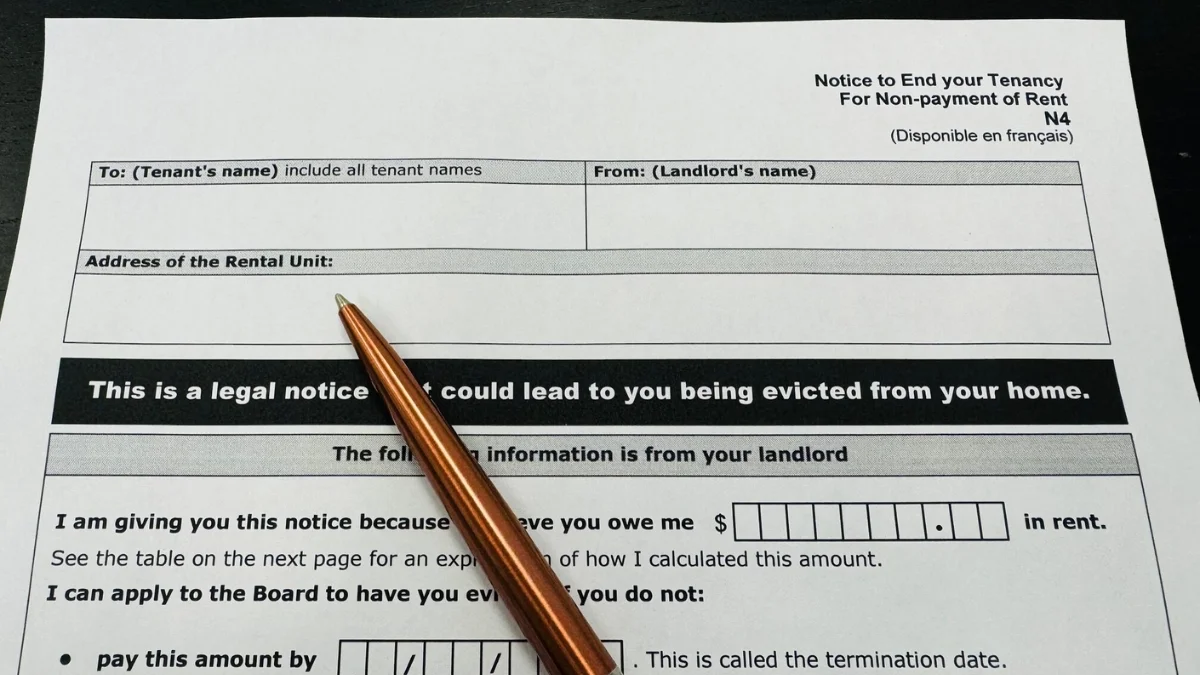
Paying rent after an eviction notice can lead to very different outcomes, depending on timing, landlord actions, and state law. Payment alone does not guarantee that eviction will stop.
In some situations, rent payment resolves the issue completely. This usually happens when payment is made within the notice period, covers the full amount owed, and is accepted without conditions by the landlord. In these cases, payment may:
- Stops the eviction process entirely
- Resets the lease as if no violation occurred
- Prevents court filing
In other cases:
- Payment is accepted as “use and occupancy”
- Eviction continues despite payment
- The landlord proceeds with court action
This uncertainty leads many tenants to ask “what happens if you pay rent after eviction notice”. The answer is highly dependent on whether payment is accepted and how it is documented.
If unpaid rent is not resolved and proceeds to collections, tenants may face long-term credit damage. Read more about this risk in its article on what happens when unpaid rent goes to collections.
Can You Still Be Evicted After Paying Rent?
Yes, eviction can still occur after payment in certain situations.
Tenants often assume payment guarantees safety. Unfortunately, that is not always true.
Eviction may still proceed if:
- Non-Monetary Defaults: As mentioned, paying rent does not fix a lease violation involving unauthorized pets, noise complaints, or property damage.
- Payment After the Deadline: If the payment is accepted after the "Pay or Quit" deadline, but the landlord has already filed the lawsuit, the landlord may proceed to recover court costs and legal fees, even if the base rent is paid.
- The "Waiver" Exception: Some states have laws that allow landlords to accept rent "with prejudice," meaning they take the money but still continue the eviction process. Tenants must check local statutes or the fine print on their payment receipt.
- Repeat Offenders: In some states, if a tenant receives multiple "Pay or Quit" notices within 12 months, the landlord may be allowed to issue an "Unconditional Quit" notice, which offers no option to stay, even if the rent is paid.
This leads to two common questions: “Can I stop eviction by paying rent?” and “Can I still be evicted after paying rent?”. Both have conditional answers.
Written agreements matter. If payment is accepted without written confirmation that the eviction is canceled, the case may move forward.
What Tenants Should Do Immediately After Receiving an Eviction Notice
Time is the most valuable asset when facing displacement. Renters must act decisively to protect their rights.
1. Read the Notice Carefully
Every eviction notice contains critical details:
- Type of violation
- Amount owed
- Deadline to comply
- Method of compliance
Errors in the notice may render it invalid. Understanding notice requirements is essential before taking action.
2. Attempt to Resolve the Issue
If rent is owed, immediate communication with the landlord may lead to:
- Payment plans
- Temporary extensions
- Payment acceptance agreements
In some cases, some landlords prefer a cash for keys agreement over a lengthy court battle. In this scenario, the tenant agrees to move out by a certain date in exchange for the landlord waiving the debt or providing a small moving stipend.
3. Seek Legal and Financial Help
Local legal aid organizations, housing counselors, and emergency rental assistance programs can provide support. Some states offer mediation programs once eviction notices are issued.
4. Prepare Your Defense
If eviction proceeds to court, tenants should gather:
- Payment receipts
- Lease agreements
- Written communications
- Proof of improper notice
If an eviction record appears on a tenant screening report, LeaseRunner outlines options for correction in its article on how to dispute eviction on tenant screening report.
5. Special Protections for Servicemembers
Active-duty servicemembers may qualify for protections under the Servicemembers Civil Relief Act (SCRA). These protections can delay eviction or require court approval before proceeding.
Conclusion
The question “can i pay rent after an eviction notice” does not have a simple yes-or-no answer. Payment may stop eviction in some cases, but not in others. Timing, notice type, landlord actions, and state law all play a role.
Tenants facing eviction should act quickly, understand their notice, and seek professional guidance. While paying rent after notice can sometimes help, it is not a guaranteed solution.
If you plan to rent again after an eviction notice, it helps to prepare documentation that proves your financial stability and rental reliability. Using a portable tenant screening report can make this process easier, because it allows you to compile your screening information once and submit it to multiple landlords without repeating the same application steps.
LeaseRunner's trusted portable tenant screening platform offers renters share verified screening information with multiple landlords.
FAQs
Q1. How long eviction records typically last
Eviction records can remain on tenant screening reports for up to seven years, depending on reporting practices. This can affect future rental applications and credit decisions.
Q2. What happens if you stay without paying
Remaining in a rental unit without paying rent may lead to:
- Court judgments
- Wage garnishment
- Collections activity
- Long-term rental barriers
Eviction timelines vary by state, read more on how long does an eviction take.
Q3. When payment does not stop eviction
Not always. Payment does not stop an eviction if:
- The notice period has already expired and the landlord refuses the funds.
- The eviction is for a non-curable lease violation (like criminal activity).
- The tenant has already been served an "Unconditional Quit" notice due to repeated violations.
In these cases, eviction may proceed even after payment.
Q4. How many months behind on rent before eviction can start
In most states, eviction can begin after one missed rent payment. Landlords are not required to wait multiple months. The exact threshold depends on state law and lease terms, but even being one month behind can trigger eviction proceedings.
Disclaimer: The information provided in this post is intended for general informational and educational purposes only. It should not be construed as legal, accounting, or tax advice. For guidance specific to your situation, we recommend consulting with a qualified professional in the relevant field before taking any action based on the content provided.