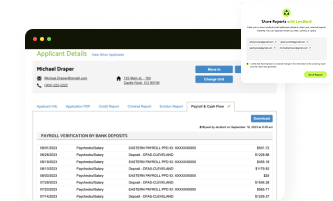
Notice to vacate vs eviction, two terms that sound similar but work very differently. A notice is a private warning issued by a landlord to a tenant. An eviction is a court filing that creates a public legal record. Confusing the two leads to costly mistakes.
If you received a written notice from your landlord, this guide explains exactly what it means, what the eviction process looks like, and what steps you should take right now to protect your rental future.
What Is a Notice to Vacate?
A notice to vacate is a written document from a landlord telling a tenant to leave the rental property by a specific date. It is not a court filing nor a legal judgment. It is the landlord's first formal move: a demand to end the tenancy before any legal action begins.
The notice sets a deadline. If you leave by that date or resolve the underlying issue, the matter often ends there. No court. In most cases, no public record, though this can vary depending on state law, court rules, the landlord's policy, and the tenant screening provider used. The outcome largely depends on what you do next.
When Landlords Use a Notice to Vacate?
A notice is not punishment. It is a legal requirement. In most eviction cases, before a landlord can file in court, they must first deliver a proper written notice and give the tenant a reasonable amount of time to respond, though the exact requirements vary by state. This step protects both parties. Landlords issue a notice when:
- A tenant has not paid rent by the due date
- A tenant has violated the lease agreement
- The lease has expired, and the landlord wants possession back
- The property is being sold, or the landlord is moving in
Each state sets its own notice requirements by state. A notice that uses the wrong delivery method, skips required language, or gives insufficient days may not hold up in court.
Common Reasons a Tenant May Receive a Notice to Vacate
Tenant giving notice to vacate is also possible. A tenant can issue a written notice of their intent to end the tenancy. But in most situations, it is the landlord who sends it. The most common reasons tenants receive a notice include:
- Unpaid or chronically late rent
- Unauthorized occupants in the unit
- Pets in a no-pet property
- Property damage beyond normal wear and tear
- Repeated nuisance or noise violations
Knowing what a properly written notice should contain, covered in our guide on how to write a notice to vacate, helps tenants determine whether the notice they received is legally valid from the start. If these private warnings are ignored, the situation moves into the much more serious territory of a formal eviction.
What Is an Eviction?
An eviction is a legal process. It begins when a landlord files a lawsuit against a tenant in civil court, typically after a notice period ends and the tenant has not moved out or fixed the problem. Unlike a notice to vacate, an eviction involves the courts, a judge, and potentially a formal judgment against you. A landlord generally cannot legally remove you by changing locks, shutting off utilities, or removing your belongings without a court order.
When a Landlord Files an Eviction Case
A landlord files an eviction case when a tenant remains in the property past the notice deadline without fixing the problem. The court issues the summons, and the tenant must be served according to state rules. Both parties then appear before a judge.
The standard eviction filing sequence looks like this:
- The landlord files an unlawful detainer complaint at the courthouse
- The court issues a summons and serves it to the tenant
- Both parties attend a scheduled hearing
- The judge issues a ruling
- If the landlord wins, the court may issue a writ of possession
Knowing the types of eviction notices helps tenants identify exactly where they are in the process before anything reaches court.
Why Eviction Is More Serious Than a Notice to Vacate?
Vacate vs eviction comes down to one core difference: court involvement. A notice stays private. An eviction becomes public. Once a landlord files, the case may become part of public court records and may be picked up by tenant screening services. This is a major legal action that landlord representatives use to create a permanent paper trail.
A filed eviction can affect:
- Your ability to rent a new home
- Your eviction record in tenant screening databases
- Your tenant eviction history visible to future landlords
- Your credit score, in some cases, if a money judgment is issued and ends up in collections or credit reporting, depending on state law and the practices of the credit reporting agencies involved
Understanding how to write an eviction notice is useful for landlords. For tenants, understanding what triggers a filing gives you the chance to act before it gets there.
To help you distinguish between these two stages, let's look at a direct side-by-side comparison of the key factors involved.
Notice to Vacate vs Eviction: What Is the Main Difference?
The difference between notice to vacate and eviction is clear once you separate the two stages: the warning and the legal action. One is private communication. The other is a court-filed lawsuit. Both relate to the same situation but represent very different points in the process.
The meaning of a notice to vacate is simply this: the landlord is formally notifying the tenant that the tenancy must end. It is the notice before eviction that precedes any legal step. The eviction notice triggers court involvement when the tenant does not comply with the warning.
Understanding what a notice period means is the right place to start before anything else escalates. Even with these differences established, a common myth persists about what these documents mean for your permanent rental history.
Does a Notice to Vacate Mean You Have Been Evicted?
No. A notice to vacate does not mean you have been evicted. These are two separate events, and treating them as the same leads to serious and avoidable mistakes.
A notice is a private document that the landlord delivers directly to you. No court has reviewed it. No ruling has been made. You have not been removed through any legal process. The distinction between an eviction notice and a vacate notice is exactly this: one is communication, the other is a court judgment.
Here is the clear separation:
- A notice tells you to fix a problem or leave by a set date
- An eviction happens in court when you do not comply
Many tenants assume their eviction record is damaged the moment they receive a notice. That assumption is wrong. A notice alone does not appear on any tenant screening report. A private notice by itself is generally not filed in court or reported as an eviction case. It is a private communication between two parties.
The legal consequences of an eviction apply only after a landlord files in court and a judge rules against you. Until that point, you still have time to act.
Since the notice is private, it raises a vital question for many renters: will future landlords ever see this document?
Does a Notice to Vacate Go on Your Record?
A notice to vacate does not go on your public record. This is one of the most important distinctions between a private notice and a formal eviction filing. Many tenants do not know this, and that confusion causes them to give up when they still have real options.
Private landlord communication vs public filing: When a landlord delivers a written notice, that document stays between the two of you. It is not filed with any court. It does not appear in any searchable legal database. Tenant screening services access court records and credit reports. A private notice usually does not appear.
What tenant screening services actually check: According to the Consumer Financial Protection Bureau (CFPB), a tenant screening report may include any combination of the following:
- Rental payment history and prior addresses
- Eviction filings and court records, including unlawful detainer actions
- Credit reports and credit scores
- Employment and income verification
- Criminal history records
- Civil court judgments, including money judgments for unpaid rent or damages
Notice that a private notice to vacate does not appear on this list. Screening companies pull from public records and verified data sources, not from private letters between a landlord and tenant.
Why tenant screening cares about filings and judgments: Screening companies pull public court records. If a landlord files an eviction complaint, that filing enters the public record even before the case is resolved. Some databases report filings regardless of outcome, which is why staying out of court matters.
Credit impact: A notice to vacate by itself does not affect your credit. However, if a court rules in the landlord's favor and issues a money judgment for unpaid rent or damages, that judgment may show up on your credit report in some cases, depending on state law and the practices of the credit reporting agencies involved. The notice did not cause this. The court judgment did.
The window between receiving a notice and a landlord filing in court is your best opportunity. Use it. One of the most effective ways to stop a filing is to simply vacate the premises as requested in the initial letter.
Can Moving Out After a Notice to Vacate Help You Avoid Eviction?
Yes, and this is often the most effective move a tenant can make. If you receive a notice to vacate and leave before the deadline, the landlord typically has no reason to file an eviction lawsuit, since possession of the property is no longer in dispute.
However, a landlord may still pursue you separately for unpaid rent, lease-break fees, or property damage, depending on your lease terms and state law. The matter usually ends there in terms of eviction. No court filing for possession. No public eviction record. No mark on your rental history from an unlawful detainer action.
This applies even if you believe the notice is unfair. Fighting an eviction in court takes time and money. Even if you win, the filing may still appear in screening databases during the appeal period. Moving out before the filing removes that risk entirely.
If you need to get out of a lease early, whether because of the notice or for your own reasons, do so in writing. Document every step. A lease termination letter template lets you confirm the end date clearly and protects you from later disputes over your security deposit or unpaid rent.
Timing is everything. Leaving one day after the landlord files will not undo the filing. Act before the court case opens, not after. To manage your exit properly, you must understand the typical progression and timing of the legal system in your area.
What Is the Timeline from Notice to Vacate to Eviction?
The timeline from notice to vacate to eviction varies by state, county, notice type, and court schedule. The sequence is usually similar, but the number of days can change significantly.
1. The Notice Period (3 to 30 Days)
The landlord serves a written notice. The notice period rental length depends on your state and the reason given. A pay-or-quit notice for unpaid rent may give you only 3 days to pay. A termination notice for a lease at the end of the term may require 30 or even 60 days' notice. We cover the 30-day and 60-day notice-to-vacate timelines in detail.
2. Filing and Serving the Lawsuit (1 to 10 Days)
If you do not comply, the landlord files an eviction filing, an unlawful detainer action, with the local court. You are then served with a summons. From this point, the case is on the public record.
3. Court Hearing and Judgment (10 to 21 Days)
A hearing is scheduled. You have the right to appear and present your case. If the landlord wins, the court issues a judgment. This judgment becomes part of your eviction record and may appear in your tenant eviction history on future background checks.
4. Appeal Period (if available under state law)
Most states give tenants a short window to appeal the court's decision. Filing an appeal pauses enforcement temporarily but does not remove the original filing from public records.
5. Writ of Possession and Removal (3 to 60+ Days)
If no appeal is filed, or if the appeal fails, the court issues a writ of possession. A sheriff or marshal may carry out the physical removal. This is the final step in the formal eviction process.
For a complete look at how long each stage can take in your state, see our guide on how long an eviction takes from start to finish. Knowing the clock is ticking, you must take specific, documented steps the moment that first letter arrives.
What Should Tenants Do After Receiving a Notice to Vacate?
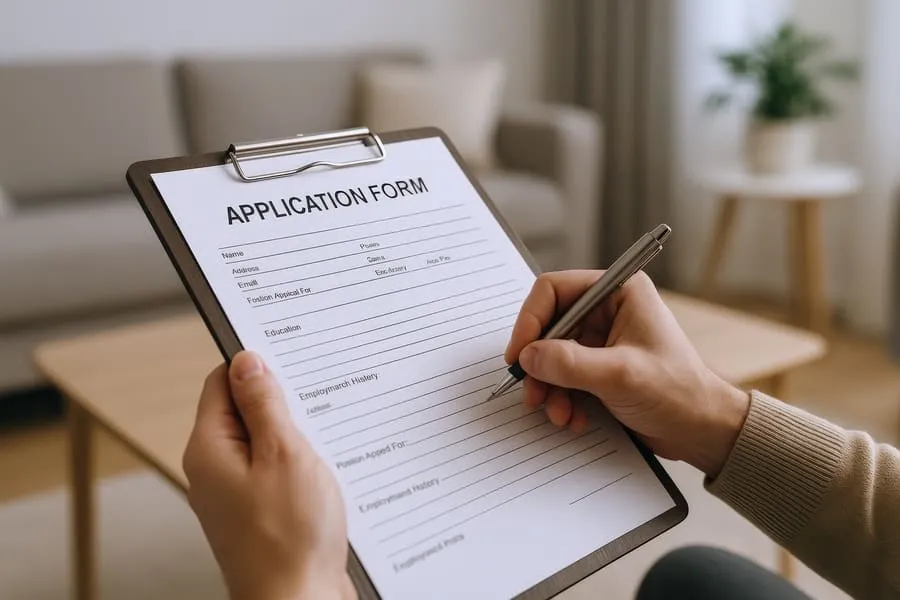
Receiving a notice does not mean the situation is out of your control. You have time and real options. Acting quickly and carefully protects your record and your next rental.
Confirm What Type of Notice You Received
Not all notices work the same way. A pay-or-quit notice gives you the chance to pay what you owe and remain in the property. A cure or quit notice requires you to fix a specific lease violation. A termination notice means the landlord is ending the tenancy regardless of your actions.
Read the document carefully. Look at the title, the deadline, and the reason listed. If you are not sure of the type, a local tenant advocacy organization can help you identify it quickly.
Check the Deadline and the Reason Listed
The deadline on the notice sets your window. A 3-day notice moves very fast. A 30-day notice gives you more time to plan your next step. The reason listed also determines whether you have any grounds to dispute it.
If the reason is inaccurate, document your evidence right away. Save payment records, email confirmations, and any written communication with the landlord.
Save Documents and Respond in Writing If Needed
Keep every document related to the notice. Save text messages, emails, payment receipts, and any written correspondence. If you want to dispute the notice or negotiate a timeline, always respond in writing. Oral agreements are difficult to prove in court. A written record protects you if the situation escalates further.
Get Local Legal Help If the Situation May Go to Court
If you believe the notice is unlawful, or if the landlord has indicated they plan to file, get legal advice now. Many cities and counties offer free legal aid programs for tenants.
Tenant rights eviction protections vary widely by state. In some states, a landlord who skips a required step in the notice process may not be able to proceed with an eviction filing. A missed procedural detail can serve as a valid legal defense.
Do not ignore court papers if the landlord files
If a summons or complaint arrives, respond by the deadline listed on the document. Missing it usually results in a default judgment, which automatically puts an eviction on your public record. File a written answer with the court on time and attend every scheduled hearing, even if you plan to move out or negotiate with the landlord. If you cannot afford an attorney, contact a local legal aid organization or tenant rights group right away.
Conclusion
Understanding the difference between a notice to vacate and an eviction is one of the most important things a tenant can know. A notice is private, leaves no public record, and gives you real options. An eviction is a court action that can affect your rental history and credit for years. The gap between those two outcomes is exactly where your decisions matter most.
Act on a notice quickly. Read the document carefully. Respond in writing when needed. Explore every option before the landlord files a court case. At LeaseRunner, we give both landlords and tenants the tools and resources to handle these situations clearly, correctly, and with confidence.
FAQs
1. Is a Notice to Vacate the Same as an Eviction?
No. A notice to vacate is a private written communication between a landlord and tenant. An eviction is a court-filed lawsuit. The notice is the warning that precedes legal action. Receiving a written notice alone does not mean you have been evicted or that any court has been involved.
2. What Happens If You Ignore a Notice to Vacate?
If you ignore a notice to vacate, the landlord can file an eviction lawsuit in court. Once filed, the case becomes public. You will be summoned to a hearing. If the court rules against you, a judgment is entered. That judgment can appear in tenant screening searches and may affect your credit if it includes unpaid rent or damages.
3. Can You Pay Rent After a Notice to Vacate and Stay?
It depends on the type of notice. If you received a pay or quit notice for unpaid rent, paying the full balance owed by the deadline typically allows you to stay. If the notice is for a lease violation or a non-renewal, payment alone will not resolve the issue. Read the notice carefully or speak with a local attorney to understand your specific rights and options.
4. Does Eviction Affect Your Future Rental Applications?
Yes. A filed eviction case appears in public court records and shows up in tenant eviction history reports used during screening. A money judgment tied to the case may also appear on your credit report.
Many landlords are reluctant to approve applications from tenants with an eviction filing on record, even if the case was resolved in the tenant's favor, though outcomes vary depending on state law, court rules, the landlord's policy, and the tenant screening provider used. Acting before a landlord files in court is always in your best long-term interest.
5. Can a notice to vacate affect tenant screening?
No, a notice to vacate by itself does not appear on tenant screening reports. Screening services pull from public court records, credit reports, and verified rental history, not from private letters between a landlord and tenant.
The notice stays between you and your landlord unless the situation escalates to a court filing. This is why responding to a notice quickly, by paying owed rent, fixing the issue, or moving out before the deadline, is the most effective way to keep your screening record clean.
6. Can an eviction filing show up even if you move out later?
Yes. Once a landlord files an eviction case in court, the filing becomes part of the public record, regardless of how the case ends. Some tenant screening databases report filings, whether the case was dismissed, settled, or ruled in the tenant's favor.
Moving out after the filing does not remove it. This is why acting before the landlord files, by leaving the property or resolving the issue within the notice period, gives you the strongest protection against a lasting record.
Disclaimer: The information provided in this post is intended for general informational and educational purposes only. It should not be construed as legal, accounting, or tax advice. For guidance specific to your situation, we recommend consulting with a qualified professional in the relevant field before taking any action based on the content provided.