Knowing how to set up utilities in a new apartment comes down to one habit: call each provider about two weeks before the move-in date. Electricity can start within a day, but gas visits and internet installs need lead time, and a late caller can spend the first night without power. Anyone renting an apartment for the first time can open every account in one afternoon using the steps below.
Key takeaways
|
Which Utilities Do You Need to Set Up in an Apartment?

Most apartments need five core services, and the lease decides which ones the tenant must obtain in their own name:
- Electricity: Runs lights, appliances, and air conditioning. Most providers can turn power on in under 24 hours.
- Natural gas: Heats the furnace, water heater, or stove. A technician may need to turn on the gas or light pilot lights, so book two weeks ahead.
- Water and sewer: Run by the city or county, or billed through the property as a flat fee or RUBS charge.
- Trash and recycling: Handled by the city, a private hauler, or the building, so ask the property manager before hiring one.
- Internet and cable: Check which providers reach the address, then book installation at least two weeks ahead.
The building's billing method decides how the tenant pays. Individually metered units send each tenant a personal bill, while submetering adds a separate meter to each unit so the landlord can bill for actual use. Ratio utility billing, known as RUBS, instead splits a building's bill by unit size or headcount, and some owners charge a flat utility fee. Landlords often cover water and trash, so a lease with utilities included in rent for those two services leaves just power, gas, and internet for the tenant to open.
When Should You Set Up Utilities for a New Apartment?
Two weeks before the move-in date works for most services, and electricity is the one that can start fastest. Providers need time to process requests, open accounts, and book technicians. Source: Apartment List.
- On the day the lease is signed, confirm which utilities the lease hands to the tenant, and ask the property manager for the current providers.
- Two weeks before, open each account, choose the service start date, and book the internet installation first. Gas and the city or county water account follow the same lead time.
- One week before, a short call settles electricity and trash pickup.
- On move-in day, test the lights, outlets, stove, hot water, faucets, and Wi-Fi before unpacking, then photograph each meter reading.
Many providers ask for a signed lease or proof of residency before opening an account, so sign first and book the same day. A tenant who skips this step may arrive to no power or water, because the last tenant's account may already be closed. Source: Avail.
How Do You Set Up Utilities for the First Time?

Six steps show how to set up utilities in a new apartment, from the first lease check to the first autopay bill.
Step 1: Check the lease for what's yours
The lease agreement shows which services belong to the tenant and which stay with the landlord. That list tells you which accounts to open.
Step 2: Find the providers for your address
The fastest way is to ask the property manager, since some buildings are wired for one cable or internet company. A tenant can then enter the address into each company's lookup tool. For internet, the FCC National Broadband Map shows which companies reach a home, and BroadbandNow and Allconnect compare plans. In states where tenants can choose an electricity supplier, the supplier sells the power while the local electric company continues to deliver it.
Step 3: Gather what providers ask for
- A government-issued ID whose name matches the application.
- The service address with the unit number, plus the move-in date.
- A payment method for the first bill or a deposit.
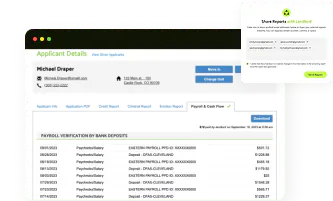
- A copy of the lease agreement as proof of residency, because some providers require it.
- An SSN or another accepted ID, since a provider that runs a credit check may pull a report from Experian, Equifax, or TransUnion.
Step 4: Open the accounts and pick start dates
Starting utilities in a new apartment takes minutes online or one call. Each service needs its own account, with the start date set on or just before the move-in date so the power is on when the keys arrive. A tenant who gets the keys on the 15th, for example, sets electricity to start on the 14th or 15th.
A tenant moving across town can send a utility transfer request instead, and the same call can end service at the old address.
Step 5: Handle deposits and fees
A new customer may owe a utility deposit, most often a renter with no credit history or a short one, and deposits are often refundable after steady on-time payments. The rules differ by provider and state. A letter of credit from a previous utility can waive the deposit, so a tenant leaving one rental should request that letter before closing the old account. A connection fee or activation fee may also apply, so ask each provider for the full first-bill cost before confirming.
Step 6: Set up billing
Paperless billing and autopay keep every statement on schedule, and a smart meter often shows daily use online. On move-in day, record the meter reading, take a photo, and add it to the move-in checklist. A change of address with USPS makes sure the first paper statement reaches the right door.
How Do You Set Up Each Utility?

Each service starts with a different contact: the electric company for power, a gas utility for gas, the city or county for water and sewer, the property manager for trash, and an internet service provider for internet.
| Utility | First contact | First step | Watch for |
| Electricity | Electric company or retail supplier | Online form or call with address, start date, and ID | In some states, a retailer sells the power and another company delivers it |
| Natural gas | Gas utility | Check which appliances run on gas, then request service | A technician may need to visit |
| Water and sewer | City or county | Open an account on the government website | Often included in rent or billed through the property |
| Trash and recycling | Property manager | Ask about pickup before hiring a hauler | Waste Management or Republic Services, where a tenant must hire one |
| Internet | Internet service provider | Check the map from Step 2, then pick a plan | Installer appointments fill fast |
Electricity comes first because local rules decide which company supplies the power. In many cities, a single electric company serves the buildings, while in places such as Chicago (ComEd) and New York City (Con Edison) the utility delivers the power and the supplier can vary. For internet, the tenant picks a plan from Xfinity, Spectrum, AT&T, Verizon Fios, T-Mobile Home Internet, or Google Fiber after checking which providers reach the address.
Texas follows a different path because most of the state runs a deregulated electricity market, and about 85% of Texas electricity consumers can choose their retail electric provider, including in Dallas, Fort Worth, and Houston. Source: ERCOT. A delivery company such as Oncor or CenterPoint Energy keeps the lines and meters running, and the tenant picks a plan on Power to Choose, the official comparison site run by the Public Utility Commission of Texas (PUCT).
How Much Does It Cost to Set Up Utilities?

The upfront cost is a possible deposit and connection fee, and the ongoing cost is the monthly bill, so budget for both before signing. Each provider sets its own deposit and fee amounts. The average U.S. residential electric bill was $144 a month in 2024, ranging from $89 in Utah to $213 in Hawaii. Source: U.S. Energy Information Administration.
LeaseRunner's guide to the average utilities cost for an apartment puts typical totals at $150 to $300 a month without internet. As an illustration, not a statistic, power at $100, water at $45, and gas at $70 add up to $215 a month, which sits inside that range. Fiber internet can add $70 to $110.
Two programs can lower the bill: LIHEAP helps eligible households pay home energy bills, and Lifeline, an FCC program, discounts phone or internet service. Source: HHS Administration for Children and Families. For the full list of upfront and monthly costs of renting an apartment, pair this utility budget with the lease fees. Many leases also require proof of renters insurance, which a tenant can arrange through the LeaseRunner renters insurance page.
Bottom Line
Knowing how to set up utilities in a new apartment pays off most when a tenant starts early and keeps the paperwork ready. A call two weeks before the move-in date gives each provider time to book a technician and confirm the service start date. Most delays trace back to a missing ID or an unexpected deposit, so an early call and a ready ID keep the first night about unpacking.
FAQs
How long does it take to get electricity turned on in a new apartment?
Electricity often starts within a day or two. Booking two weeks ahead leaves room for a deposit review or a technician visit.
Can utilities be turned on the same day?
Sometimes, electricity and gas can be turned on the same day when the tenant calls early, but internet and cable usually need a scheduled appointment.
Do I need to pay a deposit to set up utilities?
Not always. Providers weigh credit history and past payment records, so a tenant with a clean record may pay nothing.
Who Is Responsible for Utilities in a Rental?
The lease decides. Tenants usually pay for electricity, gas, and internet, while landlords often cover water, sewer, and trash. RUBS or shared meters can change that split.
Disclaimer: The information provided in this post is intended for general informational and educational purposes only. It should not be construed as legal, accounting, or tax advice. For guidance specific to your situation, we recommend consulting with a qualified professional in the relevant field before taking any action based on the content provided.