What is corporate housing? It's furnished temporary housing, usually rented for 30 days or longer, that an employer or corporate housing provider arranges for a worker on assignment. For landlords, it can bring higher monthly rent and a business-backed payer, but it also adds furnishing costs, faster turnover, and rules that change by state and city. This guide explains how corporate housing works, who uses it, the pros and cons, and what to check before offering a unit.
Key takeaways:
- Corporate housing is furnished housing for stays of 30 days or longer, usually sponsored by an employer, relocation company, or insurer.
- The payer isn't always the signer: a company, a provider, or the occupant may sign the lease.
- Rent often runs above an unfurnished lease, but furnishing, utilities, and turnover reduce the gain.
- Screening must cover both the paying company and the occupant, and fair housing rules apply.
What Is Corporate Housing?
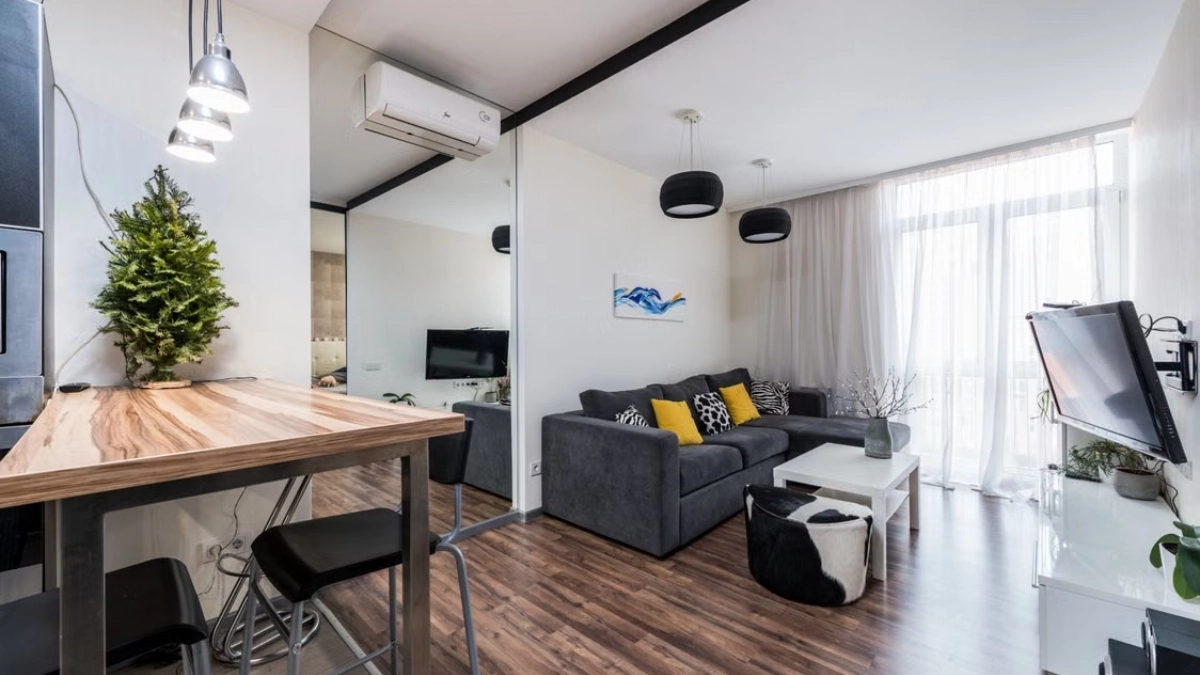
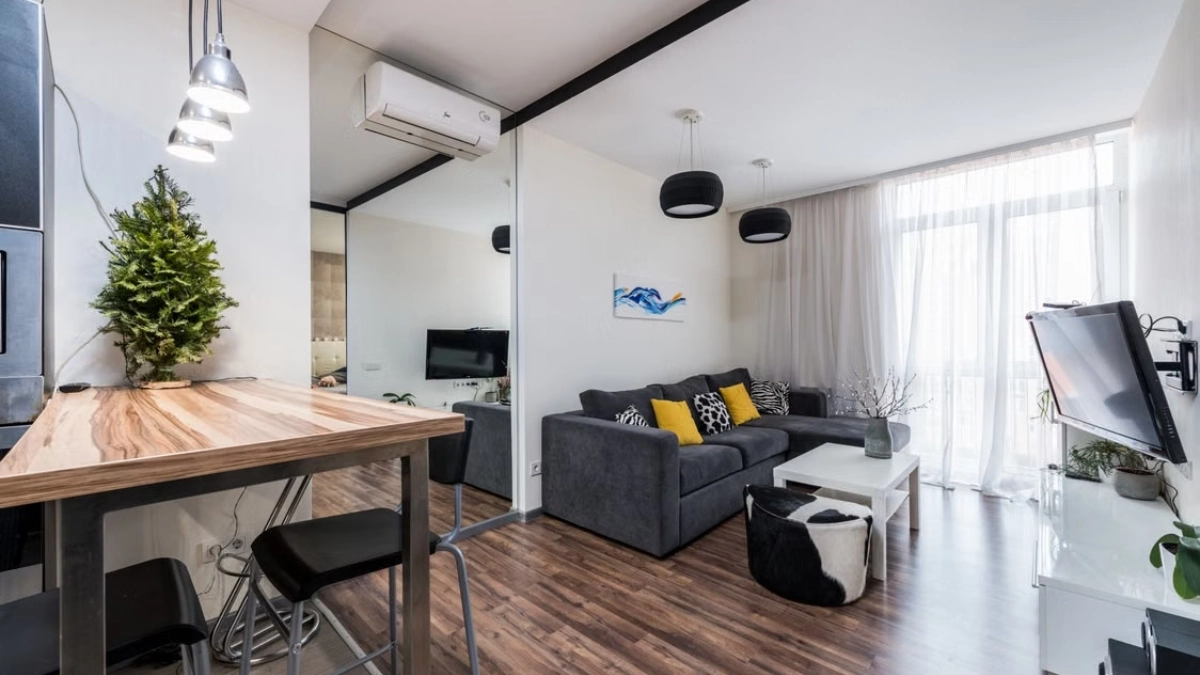
Corporate housing is a fully furnished unit, usually an apartment, rented for 30 days or more and often arranged by an employer. The Corporate Housing Providers Association describes it as a physical space plus services, with furniture, housewares, and utilities bundled into one price (Source: CHPA). From the landlord's side, it's often called a corporate rental: a furnished unit leased for a set stay instead of a 12-month lease.
| Option | Typical stay | Furnished? | Who usually pays |
| Corporate housing | 30 days to several months | Yes, with utilities | Employer, relocation company, or insurer |
| Traditional rental | 12 months or longer | Usually no | Tenant |
| Short-term or vacation rental | Under 30 days | Yes | Guest, per night |
| Extended-stay hotel | Nights to months | Yes | Guest or employer |
Who Uses Corporate Housing?

Demand comes mainly from people who need furnished housing away from home for a month or more:
- Relocating employees house-hunting in a new city
- Consultants and auditors on extended projects
- Contract and construction crews
- Travel healthcare workers on fixed assignments
- Families displaced by fire or flood, often placed by an insurance carrier
No government test decides who qualifies. It depends on the sponsor's policy, the landlord's written screening criteria, and the lease.
How Does Corporate Housing Work?
Three parties are involved: the sponsor pays, the occupant lives in the unit, and the landlord or a corporate housing provider supplies it.
What is typically included?
One monthly rate usually covers furniture, kitchenware, linens, utilities, Wi-Fi, and appliances, including laundry. A unit that asks the occupant to open their own utility accounts doesn't meet the usual standard. LeaseRunner's guide to furnished vs. unfurnished apartments covers what outfitting a unit involves.
Who signs the lease and who pays?
- Master lease: the landlord leases to a corporate housing provider, which places occupants under its own agreements.
- Company lease: the employer signs as tenant and lists the employee as the approved occupant, so the company is liable for rent.
- Occupant lease with reimbursement: the employee signs and the employer repays them, so the landlord's claim runs against the employee.
How the process works
- Request: the sponsor sends the city, dates, headcount, and budget.
- Match: the landlord or provider proposes a unit.
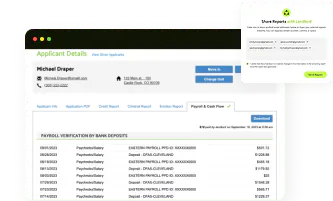
- Verify: the landlord confirms the company and collects an online rental application from each adult occupant.
- Sign: the parties sign and pay the deposit and first month's rent.
- Move in: both sides sign a furniture inventory with photos.
- Move out: the landlord inspects against the inventory and returns the deposit as state law requires.
If a project runs long, some landlords switch the stay to a month-to-month lease.
How Much Does Corporate Housing Cost?
Corporate housing usually rents for more than a comparable unfurnished 12-month lease, because the rate bundles furnishings, utilities, flexible terms, and extra management. The premium varies widely by market, unit quality, and length of stay, so check current rates with local providers. Longer stays usually earn a lower monthly rate. The GSA's federal per diem lodging rates aren't private rental prices, but they offer a public reference point for comparing cities. Budget for furnishing, utilities, cleaning, and vacancy gaps between placements.
Is Corporate Housing a Good Idea for Landlords?
It fits landlords with a well-located unit near employers, hospitals, or universities, the time to turn units over quickly, and enough cushion to absorb gaps between stays. It's a weaker fit for owners who want hands-off annual income or whose HOA or city limits shorter stays. Owners can lease to a corporate housing provider under a master lease or rent directly to companies, but should check mortgage terms, HOA rules, and insurance first.
Pros of corporate housing
- Higher rent potential in markets with steady demand
- Flexible terms that let you adjust rates more often
- Company-backed payment when an employer or provider signs
- Varied demand from relocation, healthcare, project work, and insurance placements
Cons of corporate housing
- Furnishing costs to buy and replace furniture and housewares
- Frequent turnover with cleaning and inventory checks each stay
- Vacancy gaps between placements
- Concentration risk if one provider supplies most bookings
- Damage disputes over furnished items, reduced by a signed inventory
Corporate stays overlap with mid-term rentals, which are defined by length rather than by who pays.
What Should Landlords Check Before Offering Corporate Housing?

Legal and tax rules
- Short-term rental rules: many cities draw the line at 30 days. New York City, for example, bars renting an entire home for fewer than 30 days unless the host is present and registered (Source: NYC Office of Special Enforcement).
- Lodging taxes: Texas hotel tax applies to stays under 30 consecutive days (Source: Texas Comptroller), while Florida's transient rental tax can reach stays up to six months (Source: Fla. Stat. § 212.03).
- Deposit limits: California generally caps deposits at one month's rent, furnished or not (Source: Cal. Civ. Code § 1950.5).
- Income tax: rental income usually goes on Schedule E, but substantial services like regular cleaning can move it to Schedule C (Source: IRS Publication 527).
Company and occupant screening
Verify the business's legal name, the signer's authority, and the billing contact through an independently found number. Each adult occupant should also apply and pass tenant background screening, with an adverse action notice if a report affects your decision. LeaseRunner's tenant screening checklist and guide to rental application questions show what to collect.
Lease terms to specify

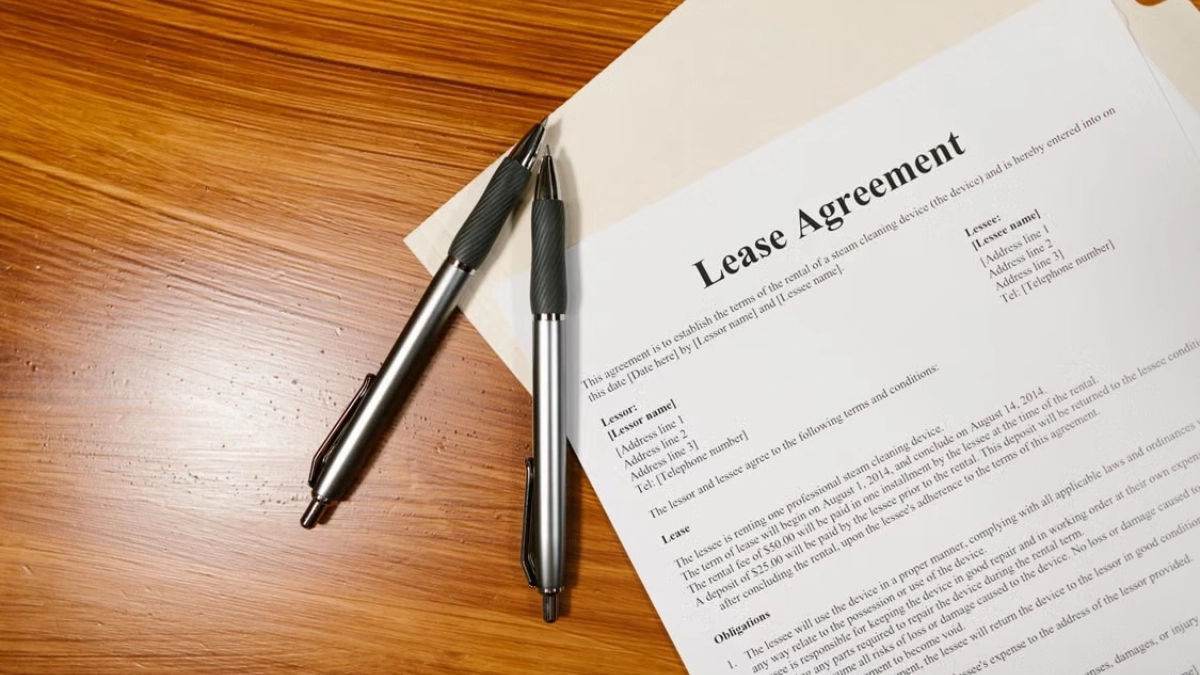
A corporate housing lease should name the tenant, occupants, and payer; set fixed dates and an extension option; list the rate and what it includes; state the deposit within state limits; attach a furnishings inventory; and cover guests, pets, parking, and early termination. When several workers share a unit, address multiple tenants on a lease, and understand the difference between a lease and rent for notice rights.
Insurance and fair housing
Ask your insurer how it treats furnished stays of 30 days or more and whether your furniture needs separate coverage, and require occupants to carry renters insurance. Apply the same screening and occupancy rules to everyone: the Fair Housing Act bars discrimination based on race, color, religion, national origin, sex, familial status, or disability, including in rental ads (Source: 42 U.S.C. § 3604).
Conclusion
So, what is corporate housing? It's furnished, sponsor-backed housing for stays of 30 days or longer. For landlords, it can mean higher rent and flexible terms, balanced by furnishing costs, turnover, and local rules. Careful checks on taxes, deposits, screening, lease terms, and fair housing make it easier to run. LeaseRunner provides rental applications, tenant screening, lease templates, and rent collection to support it.
FAQs
What is another name for corporate housing?
It's also called a corporate apartment, corporate rental, temporary housing, furnished apartment, or serviced apartment. Higher-end units are sometimes listed as executive housing.
Are pets allowed in corporate housing?
Only if the landlord's or provider's policy and the lease allow them, often with a fee or deposit. Assistance animals follow separate fair housing rules.
Is corporate housing the same as a mid-term rental?
Not exactly. A mid-term rental is defined by length, usually one to twelve months. Corporate housing is defined by a sponsored, serviced stay. A 90-day sponsored project stay can be both.
Disclaimer: The information provided in this post is intended for general informational and educational purposes only. It should not be construed as legal, accounting, or tax advice. For guidance specific to your situation, we recommend consulting with a qualified professional in the relevant field before taking any action based on the content provided.