Can you pay rent in cash? Yes, a tenant can pay rent in cash in many situations, but it depends on the lease agreement, state housing law, and the payment terms set by the landlord or property manager. When a cash rent payment is allowed, the rent payment in cash must follow the lease clause and include a proper rent receipt or payment record.
Many landlords still allow cash payment for monthly rent, especially in small rental property operations. However, modern rent payment methods such as online rent payment, bank transfer, money order, or cashier’s check are increasingly preferred because those options create a clear transaction history and reduce disputes over rental balance, late fee, or security deposit deductions.
Is Paying Rent in Cash Legal?
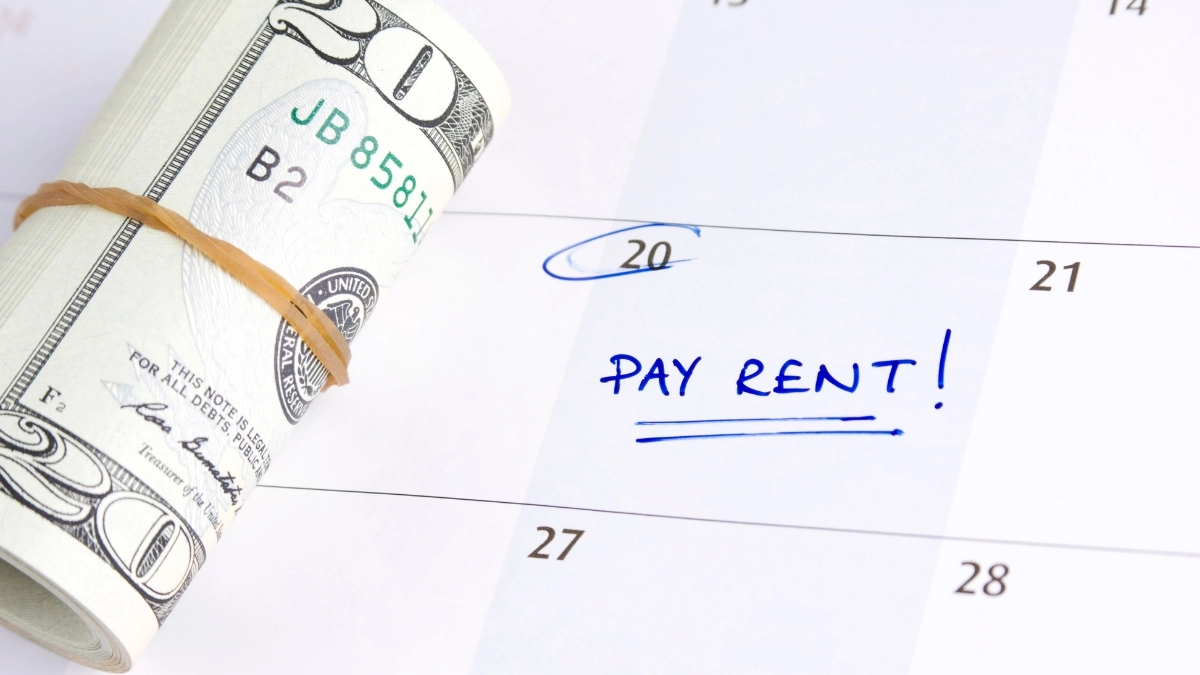
Yes, paying rent in cash is legal in most U.S. states as long as the lease payment method clause allows it and the transaction follows landlord tenant law. A tenant can deliver cash rent payment for a rental property, but the lease agreement usually defines the accepted rent payment methods.
Under general housing law, a landlord can set rent payment requirements in the lease agreement. If the lease allows rent payment in cash, the tenant may legally complete the payment each month. However, many states require a rent receipt when a cash payment occurs. The written receipt serves as proof of rent payment and protects both the tenant and the landlord.
A proper payment record rental transaction usually includes:
- The monthly rent amount
- Date of the rent payment
- Property address of the rental property
- Signature of the landlord or property manager
- Remaining rental balance if partial payment occurs
Without a written rent receipt, disputes about rent payment disputes or landlord denying payment become difficult to resolve.
At the same time, rent payment methods are evolving. According to the National Multifamily Housing Council, more than 80% of apartment renters now pay rent online, while cash rent payment represents only a small portion of transactions in professionally managed properties.
Still, cash payment remains relevant for some renters. The FDIC National Survey of Unbanked and Underbanked Households reports that about 4.2% of U.S. households remain unbanked, meaning some tenants still rely on cash payment or money order rent payment for monthly rent.
Because of these risks and documentation challenges, many landlords now prefer online rent payment systems that create a clear transaction history and simplify the best way to collect rent.
Can You Pay Rent in Cash?
Yes, rent can be paid in cash when the lease agreement allows cash rent payment and the landlord accepts the payment method. A tenant may deliver cash rent payment directly to the landlord or property manager, but the transaction must follow the payment terms defined in the lease clause.
Many rental properties accept several legal rent payment methods, including:
- Cash payment
- Money order
- Cashier’s check
- Bank transfer
- Online rent payment
- Personal check
Some landlords accept paying rent with cash because the payment is immediate and avoids bank processing delays. However, cash rent payment also introduces risk if the tenant cannot prove the transaction later.
A well-managed rent payment system always produces a payment record. For example, a rent ledger records each rent payment, tracks the transaction history, and documents any late fee or rental balance.
Many apartment complexes and professional property managers now discourage rent payment in cash because digital methods generate automatic records. Digital systems also prevent disputes related to proof of rent payment.
When is Paying Rent in Cash Accepted?
Paying rent in cash is usually accepted when landlords operate small rental properties, tenants lack banking access, or the lease agreement contains informal payment arrangements. While large apartment complexes rarely accept cash rent payment, certain situations still allow rent payment in cash.
Small or Independent Landlords
Small landlords often accept cash rent payment because independent rental properties operate with flexible payment rules. Many individual landlords manage one or two rental properties without using automated online rent payment systems.
In those cases, a tenant may deliver monthly rent as cash payment directly to the landlord. The landlord typically records the transaction in a rent ledger and provides a written receipt.
However, even small landlords must follow rent payment laws and maintain payment records. Accurate documentation protects both sides in case of rent payment disputes or tenant landlord conflict payment situations.
Unbanked Tenants
Unbanked tenants sometimes rely on cash rent payment because traditional banking services are unavailable. Some renters do not maintain bank accounts, which prevents bank transfer rent or pay rent with check transactions.
In those situations, paying rent with cash or using a money order rent payment becomes the practical solution. A money order works similarly to cash but generates a secure transaction history.
Because cash payment creates fewer records, tenant rights protections require a rent receipt requirement in many states. The written rent receipt becomes essential proof of rent payment.
Informal Arrangements
Informal rental setups, such as renting a room to a friend, frequently involve rent payment in cash. In these scenarios, the payment terms are often less rigid than in a formal apartment complex.
Even in friendly arrangements, the landlord should document the first and last month rent to avoid future tenant landlord conflict payment issues.
How to Pay Rent in Cash?

Paying rent in cash requires clear agreement, proper documentation, and secure transfer of the payment. A tenant must follow several steps to ensure the cash rent payment is valid and properly recorded.
1. Confirm the Agreement
A landlord must verify that the lease agreement explicitly allows for cash payment before accepting physical currency. If the original contract forbids it, the parties should sign a lease addendum to update the payment terms.
This step ensures that both the landlord and tenant are legally protected and that the landlord refusing cash rent does not become a legal hurdle later.
2. Prepare the Payment
The tenant should prepare the exact monthly rent amount before delivering the cash payment. Accurate preparation avoids confusion about the rental balance.
Preparation steps may include:
- Counting the cash payment carefully
- Confirming the monthly rent amount
- Preparing identification of the rental property
- Bringing a receipt template if needed
3. Execute the Hand-Off (The Most Critical Step)
The cash rent payment should be handed directly to the landlord or property manager while receiving a written receipt immediately. The written receipt confirms the transaction history and prevents the landlord from denying payment later.
Landlords who collect rent payment in cash should know how to document the transaction properly. LeaseRunner explains the process in the guide on how to write a rent receipt.
4. Secure Alternatives
Alternative payment methods often provide stronger proof of rent payment than cash. Many landlords prefer payment options that generate automatic payment records.
Common alternatives include:
- Money order rent payment
- Cashier’s check
- Bank transfer rent
- Online rent payment platforms
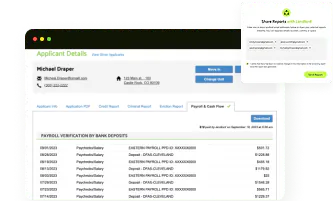
Digital platforms simplify rent collection and produce instant transaction history. LeaseRunner offers secure solutions that allow landlords to collect rent online while maintaining accurate records.
5. Keep Your Records
Maintaining clear payment records is essential when paying rent in cash. A tenant should keep every written receipt, confirmation message, or rent ledger entry related to the rent payment in cash. These documents create a reliable payment record and protect both parties under landlord tenant law.
Many renters also keep a digital backup such as a proof of rent payment letter. Maintaining this additional record helps prevent rent payment disputes, supports accurate transaction history, and provides documentation if a landlord later needs to collect unpaid rent after tenant moves out.
State-Specific Laws and Restrictions
State housing law may regulate rent payment methods, rent receipt requirements, and restrictions on cash rent payment. Although federal law does not prohibit paying rent with cash, state-level landlord tenant law may impose certain rules.
Mandatory Acceptance
Certain states require a landlord to accept at least one form of payment that is not an online rent payment or a bank transfer.
In California, under Civil Code Section 1947.3, a landlord generally cannot require a tenant to pay rent only in cash or via electronic transfer, unless a previous check has bounced. This law ensures tenant rights are protected regardless of their banking status.
Restricted Mandates
Several states prohibit landlords from requiring only cash payment as the rent payment method. Housing regulations often require at least one traceable rent payment method.
If a tenant falls into rental arrears, a landlord might legally demand a "certified" payment method to settle the debt. Common acceptable methods include:
- Pay rent with check
- Bank transfer rent
- Online rent payment
- Money order rent payment
Such regulations protect tenants from payment proof issues and reduce the likelihood of rent payment disputes.
Receipt Requirements
Many states require landlords to provide a written rent receipt when accepting cash rent payment. The rent receipt requirement protects the tenant and ensures accurate payment record rental documentation.
For example:
- California Civil Code requires a written receipt for cash payment.
- Washington State (RCW 59.18.063) requires receipts when cash rent payment occurs.
- New York requires receipts for cash payment transactions.
Failure to provide a written rent receipt may violate landlord tenant law and lead to penalties.
Best Practice for Cash Rent Payments

Best practices for rent payment in cash focus on documentation, transparency, and clear payment records. Both tenant and landlord must maintain accurate transaction history to prevent disputes.
For Tenants
Tenants should always secure written proof of rent payment when delivering cash rent payment. Several practices help protect tenant rights.
Recommended steps include:
- Always request a written receipt
- Record the payment date and amount
- Photograph the receipt as backup
- Track payments in a personal rent ledger
- Confirm the lease payment method clause
Tenants who face late payment disputes should also understand how grace period on rent policies work in many lease agreements.
For Landlords
Landlords should maintain detailed payment records when accepting cash rent payment. Accurate documentation protects the rental property business and ensures compliance with rent payment laws.
Recommended landlord practices include:
- Issue written rent receipts
- Maintain a detailed rent ledger
- Track each monthly rent payment
- Document late fee charges
- Monitor rental arrears
If a tenant fails to pay rent, the landlord may issue a past due rent notice or start formal collection procedures.
Risks and Challenges of Paying Rent in Cash
Cash rent payment introduces several risks, including missing payment records, legal disputes, and financial reporting obligations. While paying rent with cash remains legal in many cases, the method carries operational challenges.
Common risks include:
- Lack of proof of payment: Without a written receipt, the tenant may struggle to prove the rent payment occurred.
- Payment disputes: Missing transaction history may lead to rent payment disputes or landlords denying payment.
- Accounting challenges: Cash transactions complicate rent ledger bookkeeping for the landlord.
- Tax reporting obligations: Large cash rent payment transactions must be reported under federal tax rules if the amount exceeds $10,000.
- Security risks: Carrying large cash payments creates personal safety concerns.
Because of these risks, many modern property managers encourage online rent payment or bank transfer rent instead.
Conclusion
Can you pay rent in cash? In many cases, the answer is yes. However, cash rent payment is rarely the most reliable rent payment method because it requires careful documentation, in-person delivery, and a written rent receipt to serve as proof of rent payment.
For most landlords, using modern online rent payment systems creates a clearer transaction history, reduces rent payment disputes, and simplifies tracking in a rent ledger. Platforms like LeaseRunner help property owners manage rent payment, maintain accurate payment records, and streamline rent collection for any rental property.
FAQs
1. What is the best form of payment for rent?
The best way to pay rent is a payment method that creates clear proof of payment and transaction history. Most property managers prefer online rent payment, bank transfer, cashier’s check, or money order rent payment.
2. Is paying rent in cash legal in states besides California?
Yes, paying rent in cash is legal in most states when the lease agreement allows the payment method. However, several states require written rent receipts for cash payment transactions and may restrict landlords from requiring cash-only payment methods.
3. What happens if the landlord doesn't report over $10,000 cash rent?
If a landlord receives a cash rent payment (or multiple related payments) exceeding $10,000, they are legally required to file Form 8300 with the IRS. Failing to report this can lead to severe penalties under federal law. This rule applies to any landlord accepting cash in large volumes, such as prepaid rent for an entire year.
Disclaimer: The information provided in this post is intended for general informational and educational purposes only. It should not be construed as legal, accounting, or tax advice. For guidance specific to your situation, we recommend consulting with a qualified professional in the relevant field before taking any action based on the content provided.