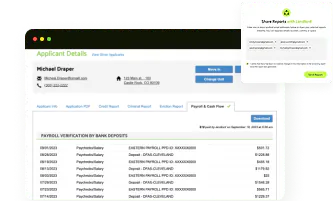
How to get an apartment with no rental history is possible by proving financial stability, preparing strong documentation, and using alternatives such as a co-signer, guarantor, or higher security deposit. Even without previous rental history, landlords may approve applications when tenants provide reliable proof of income, stable employment records, and credible rental reference alternatives.
Many tenants face first time renting no history situations. Students, recent graduates, and people moving out of family homes often start without a rental history report. When renting an apartment with no rental history, landlords typically review other records such as credit score, bank statements, and background check results. With proper preparation and documentation, apartment approval with no rental history becomes far more achievable.
Challenges of Renting with No Rental History
Renting apartment with no rental history creates additional hurdles because landlords rely on previous rental history to predict tenant behavior. Without a rental history report, property managers evaluate other records such as credit, income, and employment stability. Understanding these obstacles helps applicants prepare stronger applications.
Higher Application Rejection Rates
Apartments with no rental history check are rare because most landlords review tenant screening reports before approving an application. A screening report often includes:
- Rental history report
- Eviction record
- Credit report
- Background check
Property managers use those records to evaluate reliability. When previous landlord references or proof of rental history do not exist, landlords may interpret the missing data as uncertainty rather than reliability.
Higher rejection rates occur particularly in competitive housing markets where landlords can select from multiple applicants with strong records.
Increased Upfront Costs
Many landlords offset risk by requiring higher initial payments. Applicants with first time renting with no credit or no proof of income apartments situations often encounter requirements such as:
- Larger security deposit
- First month rent
- Last month rent
- Holding deposit
Higher deposits protect landlords financially if rent payments become inconsistent. Some landlords also request prepaid rent covering multiple months.
Mandatory Co-signers or Guarantors
Landlords frequently request a co-signer or guarantor when an applicant lacks proof of rental history. A lease guarantor agreement legally assigns financial responsibility to another individual who agrees to cover rent if the tenant cannot pay.
Parents commonly act as guarantors for students or young professionals entering the rental market for the first time. Most landlords require guarantors to meet strict standards such as:
- Strong credit history
- Stable employment
- High guarantor income requirement
A clear explanation of responsibilities and qualifications appears in this guide on what is a guarantor for an apartment. A financially stable parent as co-signer often reassures landlords because the lease includes a second responsible party.
Limited Housing Options
Some apartment communities enforce strict tenant screening criteria, which can limit opportunities for applicants with first time renting no history.
Large property management companies often require:
- Minimum credit score requirement apartment
- Verified previous rental history
- Compliance with the 3x rent rule
Applicants without a rental reference or previous landlord verification may find more success targeting independent property owners or smaller buildings. Private landlords sometimes evaluate applications more flexibly than large apartment communities.
Intense Scrutiny of Other Records
When proof of rental history is unavailable, landlords rely heavily on other records to assess reliability. Property managers typically examine:
- Credit score importance
- Stable employment
- Proof of income
- Savings account balance
- Background check results
A clean screening record helps reassure landlords that the applicant poses minimal risk. Understanding how screening works can help tenants prepare before applying. Helpful preparation strategies appear in this article on how to pass a background check for an apartment.
Strong financial documentation can significantly improve apartment approval with no rental history. Applicants who clearly demonstrate financial stability often overcome the absence of traditional rental records.
How to Get an Apartment with No Rental History?
How to get approved as a first time renter involves replacing missing rental history with strong financial evidence and credible references. Landlords accept alternative proof that demonstrates reliability, responsibility, and ability to pay rent consistently.
1. Prove Your Financial Stability
Proof of income represents the most critical factor when renting apartment with no rental history. Landlords need clear evidence that rent payments will remain consistent.
Common financial documents include:
- Pay stubs
- Tax returns
- Bank statements
- Employment letter
- Offer letter from employer
- Savings account balance
A formal proof of income letter can strengthen an application by confirming salary, job stability, and employment start date. This documentation often serves as a reliable substitute when previous rental history is unavailable.
Landlords frequently evaluate income using the rent-to-income ratio, commonly known as the 3x rent rule. This standard helps property managers estimate whether rent remains affordable relative to income.
Example:
- Monthly rent: $1,200
- Required monthly income: $3,600
Applicants who lack regular pay stubs, such as freelancers or contractors, may still qualify using tax records, employment contracts, or strong bank statements showing consistent income deposits.
2. Leverage a Co-Signer or Guarantor
Adding a co-signer or guarantor can dramatically improve approval chances when first time renting with no credit or no proof of rental history situations occur.
A co-signer shares legal responsibility for the lease and appears directly on the contract. A guarantor promises to cover rent payments if the tenant cannot pay but may not live in the apartment.
Many landlords require guarantors to meet strict financial standards such as:
- Income exceeding guarantor income requirement thresholds
- High credit score
- Long employment history
The legal obligations of both parties are usually outlined in a lease guarantor agreement. Parents often serve as parent as co-signer for students or young professionals entering the rental market.
Additional details about guarantor responsibilities appear in this explanation of what a guarantor for an apartment is. A financially strong guarantor can reassure landlords that rent payments remain secure even if the tenant experiences financial challenges.
3. Offer More Upfront
Offering additional payments upfront helps landlords reduce perceived risk when what if you don't have rental history situations arise.
Possible options include:
- Larger security deposit
- Paying first month rent and last month rent
- Prepaying several months of rent
- Providing a holding deposit
These payments demonstrate financial capability and commitment to the lease agreement. Landlords often view higher deposits as a form of financial security when proof of rental history is unavailable.
Although this strategy may increase move-in costs, it can significantly increase apartment approval with no rental history.
4. Provide Character References
When renting with no landlord reference, applicants can submit alternative references. Acceptable rental reference alternative sources include:
- Employers
- Professors
- Supervisors
- Community leaders
- Professional mentors
These references help demonstrate responsibility, professionalism, and reliability.
Many first-time renters also ask what to put for rental history if living with parents. In this case, the application can simply state that the applicant previously lived with family while completing school or starting a career. Including references from employers or mentors often strengthens the explanation.
Clear communication about living history helps landlords understand the situation rather than assuming the absence of previous rental history indicates risk.
5. Find a Roommate
Living with a roommate who already has established previous rental history can make approval significantly easier.
In many shared leases, landlords consider the financial strength of all applicants. A roommate with strong credit and a stable job may offset concerns about first time renting with no credit.
Shared housing also reduces financial pressure by lowering the rent-to-income ratio, which can help applicants meet typical tenant screening criteria.
For renters still unsure about credit expectations, reviewing typical credit score requirements for apartments can help determine whether credit improvement is necessary before applying.
6. Create a Rental Resume
A rental resume helps applicants build rental credibility even when no rental history exists.
The document provides landlords with a clear overview of reliability and financial stability. A strong rental resume may include:
- Employment history
- Proof of income
- Credit score summary
- Personal references
- Volunteer or community involvement
Presenting organized documentation demonstrates professionalism and preparation. Many landlords appreciate applicants who proactively provide relevant information before screening begins.
7. Target Private Landlords
Targeting independent property owners can significantly increase approval chances when apartments with no rental history check situations arise.
Private landlords often prioritize:
- Clear communication
- Financial transparency
- Stable employment
- Personal references
Unlike large apartment communities that rely heavily on automated tenant screening reports, smaller property owners may place greater value on personal interaction and trust.
Strong documentation, honest explanations, and reliable references can often compensate for missing previous rental history, allowing first-time renters to secure housing successfully.
Rent Apartment with No Rental History Steps
Renting an apartment with no rental history steps involves preparation, transparency, and early planning. First-time renters can significantly improve approval chances by following structured steps before submitting applications.
Write a Cover Letter
A short rental cover letter helps explain the circumstances behind first time renting no history situations. A clear explanation prevents landlords from assuming risk simply because a previous rental history record does not exist.
A strong cover letter usually includes:
- Employment details
- Income stability
- Explanation of current living situation
- Commitment to responsible tenancy
Applicants often ask what do you put on a rental application if you have no rental history. The simplest approach is transparency. Many renters explain that they lived with family while completing education or beginning a career.
Start Early
Starting the apartment search early gives renters time to gather documentation and address potential issues before submitting applications.
Early preparation allows tenants to:
- Obtain credit reports
- Collect bank statements
- Prepare tax returns
- Request employment letters
Early starts also provide time to check my tenant screening report to ensure no errors exist.
Use Short-term Rentals
Short-term housing can help renters build rental credibility before applying for long-term leases. Even a few months of rental history can create valuable references.
Examples of short-term housing options include:
- Sublets
- Month-to-month rentals
- Furnished temporary apartments
- Room rentals
After several months, renters gain proof of rental history and may receive a rental reference from a previous landlord. That reference becomes extremely valuable for future apartment applications.
Short-term rentals often serve as a stepping stone for renters experiencing first time renting with no credit or limited housing history.
Essential Documentation Need to Prepare

Essential documentation for apartment approval with no rental history focuses on financial proof and identity verification. Strong documentation helps landlords evaluate risk objectively.
1. Proof of Income
Proof of income demonstrates the financial ability to meet rent obligations each month. Landlords rely on income documentation to determine whether the tenant can maintain consistent payments.
Common documents include:
- Pay stubs
- Employment letter
- Offer letter from employer
- Freelance contracts
- Business income statements
Applicants without traditional employment sometimes ask can you get an apartment without pay stubs. Many landlords accept alternative documents such as tax returns or bank statements.
2. Bank Statements
Bank statements reveal financial behavior and savings levels.
Landlords analyze statements to evaluate:
- Savings account balance
- Consistent deposits
- Spending patterns
Applicants without traditional employment may rely on strong savings or investment balances to demonstrate affordability. Large reserves can reassure landlords that rent payments remain secure even without a long employment history.
Bank statements also support income claims presented in other financial documents.
3. Credit Report
A strong credit report can compensate for missing previous rental history. Many landlords rely on credit data to evaluate financial responsibility and payment habits.
Key credit factors include:
- Credit score importance
- Payment history
- Current debt levels
- Length of credit history
Different properties set different credit score requirement apartment standards depending on market conditions and rent levels. Understanding these expectations helps renters determine whether credit improvement is necessary before applying.
4. Tax Returns
Tax returns serve as reliable financial documentation for self-employed renters or freelancers.
Landlords often request:
- Two years of tax returns
- Business profit statements
- Independent contractor income records
These documents verify long-term income stability and demonstrate consistent earnings even without traditional payroll records.
For applicants asking how to get an apartment without employment history, strong tax documentation and a healthy savings account balance can still demonstrate the ability to maintain rent payments.
Conclusion
How to get an apartment with no rental history depends on demonstrating reliability through financial stability, documentation, and credible references. Landlords prioritize proof of income, credit history, and employment stability when previous rental history does not exist.
Tenants who want to strengthen applications may consider preparing a portable tenant screening report before applying for apartments. A prepared screening report helps demonstrate transparency and financial responsibility to landlords.
FAQs
Q1. Can I rent an apartment with no credit or rental history?
Yes, renting an apartment with no rental history and limited credit remains possible. Applicants can increase approval chances by providing proof of income, offering a security deposit, or adding a co-signer or guarantor. Private landlords often evaluate references and employment stability rather than strict screening records.
Q2. Can I rent if I don’t have a job but have savings?
Yes, landlords may approve applicants without employment if large savings account balance or bank statements demonstrate sufficient funds to cover rent. Some landlords require prepaid rent or a lease guarantor agreement when how to get an apartment without employment history situations occur.
Q3. What’s the best way to start renting without a rental history?
The best strategy for how to get approved as a first time renter involves building credibility through short-term rentals, obtaining strong rental references, and preparing financial documentation. Providing proof of income, good credit, and possibly a parent as co-signer significantly improves approval chances.
Disclaimer: The information provided in this post is intended for general informational and educational purposes only. It should not be construed as legal, accounting, or tax advice. For guidance specific to your situation, we recommend consulting with a qualified professional in the relevant field before taking any action based on the content provided.