Renting with dismissed eviction records can feel like an uphill battle for many residents, but it is not an impossible task. While an eviction filing creates a digital footprint, a dismissal means the case did not result in a final judgment against the resident.
At LeaseRunner, we advocate for fair housing practices and believe that a dismissed case should not be a permanent barrier to a safe home. Understanding what happens if an eviction is dismissed allows residents to approach new property owners with confidence.
By providing a court dismissal order and a solid rental reference, residents can prove their reliability despite past legal disputes. This guide details how to navigate the public record system and secure a new lease after a court case concludes in the resident's favor.

What Is a Dismissed Eviction?
A dismissed case is a legal outcome in which a judge ends an eviction case without rendering a final ruling. The logic follows a set flow: a dismissal is the formal stop of a suit; its core is the lack of an eviction judgment; variations include "with prejudice" (cannot be refiled) or "without prejudice" (can be refiled); an example is a landlord dropping a claim after a tenant pays all unpaid rent debt; the meaning is that the tenant leaves with a neutral court record. Because this result clears your name, you must check how long an eviction stays on record to protect your future.
A dismissal often happens if both sides settle or the owner fails to get a court order due to errors. Even if an eviction filing started, a dismissal means you were never "evicted" in the eyes of the law. However, the eviction case stays on the public record and the court docket. To keep a clean history, residents must be proactive. Knowing whether a landlord can stop an eviction before a judge rules is a vital move. LeaseRunner suggests providing proof of income to demonstrate that you are now stable.
Dismissed Eviction vs. Eviction Judgment: Key Legal Differences
A dismissed case is very different from an eviction judgment when you are applying for a new home. One is a permanent black mark, while the other is a neutral court record. Understanding this gap is vital when renting with a dismissed eviction history. A judgment is a formal court order that establishes that a lease breach occurred. It gives a property owner the legal right to remove a resident and collect debt.
Here are the key legal differences to note:
- Final Ruling: An eviction judgment is a final court order that stays on a public record for years.
- Financial Debt: Judgments usually specify a specific amount of unpaid rent. This often leads to negative credit bureau reporting.
- Case Outcome: A dismissed case means the eviction case ended without a "guilty" result from a judge.
- Tenant Risk: A judgment is a major red flag for any landlord. A dismissal is a gray area that residents can explain with a letter of explanation.
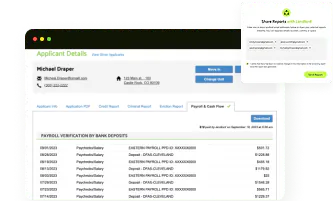
Residents should use a portable tenant screening report to check their court docket status. If a dismissed case appears, you must show that no eviction judgment exists. Share current bank statements to prove you pay your bills on time now. This proves you are a safe choice despite a past eviction filing. Knowing what happens if an eviction is dismissed helps you protect your future. LeaseRunner helps you present a professional and clear history to every new owner.
Does a Dismissed Eviction Show Up on Tenant Screening Reports?
Yes, because an eviction filing is a matter of public record that consumer reporting agency firms can collect. A tenant screening report's eviction section often shows the date the case was filed and its final status. If the status is "dismissed," the report reflects that the case was not won by the property owner.
However, some older systems may not update court records in a timely manner, leading to inaccurate reporting. Residents should use a tenant background screening service to see what property owners see before they apply. If a dismissed case appears as "pending" or "judgment," it may result in a denial notice for a rental application.
Under the Fair Credit Reporting Act, residents have the right to dispute any inaccurate or outdated data. If a dismissed case on rental background check forms is causing issues, the resident must contact the agency to update it. Property owners must provide an adverse action notice if they deny an applicant based on this data. This notice allows the resident to explain the dismissed case and provide a letter of explanation. Being proactive by knowing how to check a tenant screening report is the best way to ensure the record is correct.
Challenges Tenants May Face When Renting With a Dismissed Eviction

Even with a dismissal, renting with dismissed eviction records presents several hurdles. Property owners often view any legal filing as a sign of potential trouble, regardless of the court's final decision.
Screening Stigma
The primary challenge is "screening stigma," in which a property owner sees an eviction filing and immediately moves to the next applicant. They may not take the time to check that the case was dismissed. To combat this, residents should be upfront about their history and provide a court dismissal order with the initial application. This transparency helps maintain compliance with the Fair Housing Act and demonstrates the residents' honesty.
Inaccurate Reporting
Inaccurate reporting by a consumer reporting agency can make a dismissal look like a loss. If the public record isn't updated, the resident might be flagged for a lease breach they didn't commit. Knowing how to dispute eviction on tenant screening report errors is vital for anyone renting with a dismissed eviction history. A corrected report can be the difference between a "yes" and a "no."
Financial and Housing Instability
A past filing might suggest a period of financial struggle. Property owners may worry about collections stemming from evictions or other unpaid rent. To ease these fears, residents should show strong rental references and pay stubs that prove a high current income. Proving that the past eviction case was a one-time event due to a specific crisis is key.
Limited Legal Recourse
In some states, state eviction laws do not automatically seal or hide a dismissed case. This means the court docket remains open for anyone to see forever unless the resident seeks eviction sealing. Without eviction expungement, the record can follow a resident for years. Residents should check their local laws to see whether they can seal court records to protect their future.
How to Rent With a Dismissed Eviction?
Successfully renting with a dismissed eviction record requires a strategy that emphasizes the resident's current reliability and the legal validity of the dismissal.
1. Correct and Clear Your Record
The first step is ensuring the court record is accurate. If the case is old, the resident should look into eviction expungement. This process can seal court records so they no longer appear on background checks or eviction records. If expungement isn't possible, residents should at least ensure the status is listed as "dismissed." Knowing how to check eviction history is the first task for any applicant.
2. Target the Right Landlords
Large corporate complexes often have strict automated filters that flag any eviction filing. Smaller, independent property owners are often more willing to listen to a letter of explanation. These owners may prioritize strong rental references over a technical public record entry. When renting with dismissed eviction records, finding a human decision-maker is essential.
3. Bring Proof of Eviction Dismissal
Never assume a property owner will find the dismissal on their own. Residents should carry a certified copy of the court dismissal order. This legal notice is the only way to prove what happens when an eviction gets dismissed. Showing this document alongside pay stubs proves the resident is legally in the clear and financially stable.
4. Check Your Tenant Screening Report First
Residents should always know what is on their record before applying. Using a tenant screening report service allows residents to catch errors early. If a dismissed case on a rental background check is incorrect, the resident has time to fix it. This prevents an unexpected adverse action notice from a new property owner.
5. Consider Offering Additional Security
If a property owner is hesitant to rent to a resident with a dismissed eviction history, the resident can offer a higher deposit. This reduces the owner's risk of unpaid rent. Alternatively, finding a co-signer or guarantor with great credit can provide the security the owner needs to approve the application.
Can You Remove a Dismissed Eviction From Your Record?
Yes, you can often clear your name, though the process depends on where you live. While a dismissed case is better than a judgment, the best goal is to seal the court record data entirely to hide the eviction filing from public view. This legal path, known as eviction expungement, helps a dismissed case on rental background check forms disappear so a consumer reporting agency cannot find it.
To start, a resident must file a formal petition at the courthouse where the eviction case began. For example, if a property owner filed by mistake, a judge may grant eviction sealing to protect the resident's reputation.
If state eviction laws do not allow for full removal, residents must learn how to rent with an eviction on their rental record through total honesty. Can you still rent with an eviction dismissed but still visible? Yes, by showing a court dismissal order alongside pay stubs and a positive rental reference from a past owner.
Showing that the eviction case was an outlier helps you pass a tenant screening report eviction check. LeaseRunner suggests being proactive to ensure that what happens when an eviction gets dismissed actually works in your favor during your next search.
Tips to Improve Your Rental Application After an Eviction Filing

To succeed when renting with a dismissed eviction history, focus on proving your current financial health. Property owners often prioritize your present stability over a past eviction filing that did not result in a judgment.
Maintaining a clean record involves more than just paying rent on time; you must also demonstrate you are a quiet neighbor by understanding the specific lease violations that lead to eviction so you can avoid behavioral pitfalls that often trigger a court filing.
Strengthen Your Rental Application
A robust application acts as your first line of defense. You must gather solid proof of income, such as recent pay stubs and the last 3 months of bank statements, to demonstrate you can easily afford the rental payment. If a resident can show stable employment with a steady job history, it proves to the owner that unpaid rent debt is a low risk. Additionally, providing strong rental references from past landlords (specifically those not involved in the eviction case) builds trust.
Prepare a Short Explanation Letter
A letter of explanation allows you to humanize the dismissed case on rental background check reports. It should be a professional note explaining why the eviction case was initiated and, crucially, what happens when an eviction is legally dismissed. For example, if the filing was due to a temporary medical crisis that is now resolved, state that clearly. Emphasize that the court found no lease breach, which can help you bypass automated rental application denial reasons.
Apply to the Right Types of Rentals
Targeting private landlords is the most effective strategy for renting with a dismissed eviction record, as these owners prioritize personal character over automated filters. You can find eviction-friendly housing more easily within this niche, where a human decision-maker is often willing to review a letter of explanation rather than issuing an immediate denial based on a public record.
By demonstrating a clean history of conduct and financial stability, you simplify the process of passing a background check for an apartment, even when a past court filing remains visible on your public record. These owners are more likely to accept a co-signer or a larger security deposit to offset the dismissed case. LeaseRunner tools help you present a clean, professional profile to these decision-makers.
Conclusion
Renting with a dismissed eviction record does not have to be a permanent barrier to finding a high-quality home. While a court filing creates a visible mark on your history, a dismissal proves that the legal process concluded without a final judgment against you. By being proactive, you can successfully navigate the rental market.
At LeaseRunner, we advocate for fair housing and believe that your present financial stability should carry more weight than a past legal dispute. With the right documentation and a focus on transparency, you can overcome the screening stigma and secure a lease that supports your future.
FAQs
Q1. How long does a dismissed eviction stay on your record?
A dismissed case can stay on your public record for up to seven years. However, its impact on renting with a dismissed eviction history fades over time, especially if you have newer, stronger rental references.
Q2. Will landlords reject applicants with a dismissed eviction?
Some might, but most savvy property owners know that a dismissal is not a judgment. If you provide a letter of explanation and proof of income, many will still approve your rental application.
Q3. How can I prove my eviction case was dismissed?
You should obtain a certified court dismissal order from the courthouse. This is the definitive way to prove what happens when an eviction is dismissed and transferred to a new property owner.
Q4. Can a dismissed eviction be removed from public records?
Yes, through eviction expungement or eviction sealing, depending on your state's eviction laws. Once you seal court records, they should no longer appear on a tenant screening report or eviction check.
Disclaimer: The information provided in this post is intended for general informational and educational purposes only. It should not be construed as legal, accounting, or tax advice. For guidance specific to your situation, we recommend consulting with a qualified professional in the relevant field before taking any action based on the content provided.