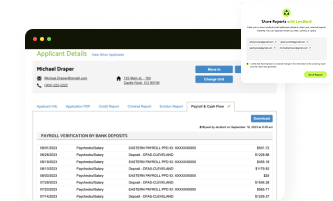
Navigating the rental market requires preparation. In most rental applications, landlords rely on tenant screening to evaluate risk, verify identity, and confirm financial reliability. As screening standards become more uniform, prospective renters increasingly ask: can I run a tenant screening on myself before applying?
The answer is yes. From a compliance standpoint, self tenant screening is legally permitted under the Fair Credit Reporting Act (FCRA) when reports are obtained from compliant screening services or providers. Understanding how tenant screening works for applicants allows issues to be addressed early and documentation to be prepared in advance.
For landlords, this preparation often leads to faster decisions and fewer disputes during the background check process.
Why Would You Want to Run a Tenant Screening on Yourself?
Running a tenant screening report on myself does not replace a landlord’s screening obligation. Instead, it reflects how tenant screening requirements for renters increasingly overlap with consumer access rights.
From a landlord’s perspective, applicants who take the initiative to self-screen often demonstrate preparedness and a clearer understanding of how rental decisions are made—provided the report comes from a credible, FCRA-compliant source.
Below are the most common and relevant reasons self-screening has become more common in today’s rental market:
- Error detection: Credit files, eviction databases, and criminal records can contain outdated or incorrect entries. Reviewing a tenant screening report on myself allows errors to be corrected before an application is submitted.
- Readiness assessment: Applicants can evaluate whether their profile meets typical criteria landlords use, such as credit score ranges, debt-to-income ratios, and income verification standards.
- Portability: In competitive markets, a Portable Tenant Screening Report (PTSR) can be shared with multiple landlords, reducing repeated fees and delays.
- Compliance clarity: Knowing what appears on a report reduces disputes and adverse action confusion later.
From a landlord’s standpoint, applicants who self-screen tend to be:
- Better prepared with documentation
- More transparent about potential issues
- Less likely to contest accurate screening results
The key condition is credibility. A tenant screening report on myself is only useful when it comes from an FCRA-compliant provider and reflects the same categories landlords rely on in professional screening.
Can I Run a Tenant Screening on Myself?
Yes. It is possible to run a background check on yourself, but the scope, reliability, and usefulness of that check depend entirely on how it is obtained and which data sources are used.
Under the Fair Credit Reporting Act (FCRA), consumers have the right to access their own consumer reports. This includes credit reports and, when provided by compliant consumer reporting agencies (CRAs), tenant screening reports. What consumers cannot do is access restricted law-enforcement-only databases or proprietary landlord-only scoring models.
Key legal distinctions:
- Permitted: Credit reports, eviction records, and tenant screening reports from FCRA-compliant CRAs.
- Restricted: Certain criminal databases or enhanced background checks reserved for employers or law enforcement.
- Transferable: Some reports, like a portable tenant screening report, can be shared with landlords at the applicant’s discretion to satisfy tenant screening requirements for renters.
While a self-run report is informative, most landlords still prefer to do landlords screen their own tenants using their preferred platform to ensure the identity verification process meets their specific security protocols.
How Can I Run a Tenant Screening on Myself?
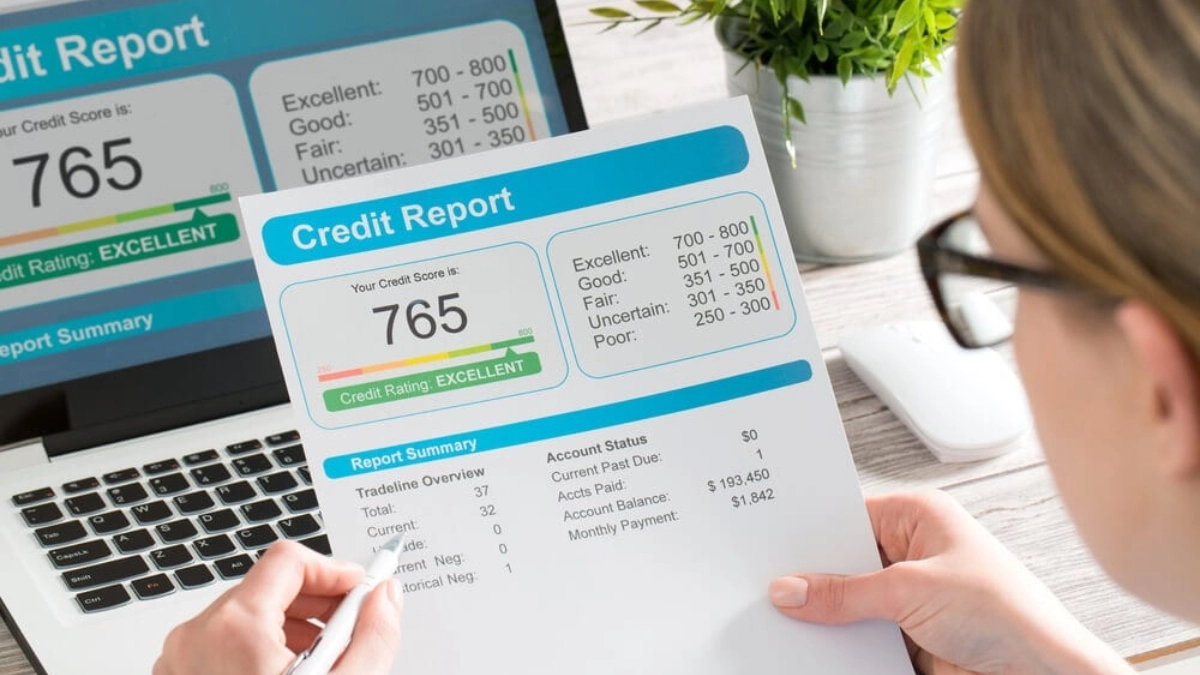
Several lawful paths exist for how to check your own tenant screening report. Each varies in depth, cost, and usefulness for rental decisions.
Use Tenant Screening Platforms
Reputable tenant screening platforms allow consumers to request their own reports. Some offer portable tenant screening report free options or limited previews.
A leading example is LeaseRunner, which offers a compliant Portable Tenant Screening Report designed to be shared with landlords. For landlords evaluating applicant-provided reports, understanding portability is essential. A detailed explanation appears in this internal resource: what is a portable tenant screening report.
Why tenant screening platforms matter in practice:
- Identity verification reduces fraud: Applicants must verify their identity before accessing a tenant screening report on myself, limiting altered or incomplete reports.
- Data sources align with landlord standards: Reports typically include credit, eviction, and background data drawn from the same CRAs landlords rely on.
- Rental-focused formatting: Unlike consumer-only disclosures, these reports are structured around rental risk, making them easier to evaluate during screening.
- Portability improves efficiency: A single, verified report can be reused, which benefits landlords operating in competitive or high-volume markets.
For landlords, accepting reports from recognized platforms lowers risk compared to informal screenshots or partial self-checks.
Check Your Credit Reports
Credit history remains a foundational component of almost every tenant screening process. Consumers can obtain free annual credit reports from Equifax, Experian, and TransUnion, which partially answers how can I see my tenant screening report, since credit data feeds most rental decisions.
While a credit report alone is not a full tenant screening report on me, it provides visibility into:
- Payment history and late accounts
- Credit utilization
- Collections, charge-offs, and bankruptcies
Landlords typically use this information to assess financial reliability rather than absolute wealth. For reference benchmarks and evaluation logic, see what credit score is needed to rent an apartment and what do landlords look for in a credit check.
From a screening perspective, reviewing credit first helps applicants identify red flags early, but it should not be confused with a complete rental background check on me.
Use Credit Monitoring Apps
Credit monitoring apps provide ongoing visibility rather than a one-time snapshot. These tools alert users to:
- New accounts or inquiries
- Collections activity
- Changes that may affect rental eligibility
Although monitoring apps are not a substitute for a tenant screening report on myself, they play a preventive role. They help applicants maintain report accuracy and resolve issues before applying.
For landlords, it is important to note that app dashboards or summaries are not screening reports and should not replace formal documentation from CRAs.
Request Your Report Directly from Screening Companies
Under the FCRA, consumers have the right to request disclosure copies of any tenant screening data held by CRAs. This method is the most comprehensive way to see exactly what data exists under one’s name, including eviction records or address history that may not appear elsewhere.
However, this approach has tradeoffs:
- Slower processing times compared to instant platform reports
- Less standardized formatting, making it harder for landlords to review quickly
- Disclosure-only purpose, meaning reports may require additional context before being used in rental decisions
Still, for applicants seeking full transparency or landlords verifying disputed information, direct CRA disclosures remain a valid and lawful option.
What’s Included in a Tenant Screening Report?
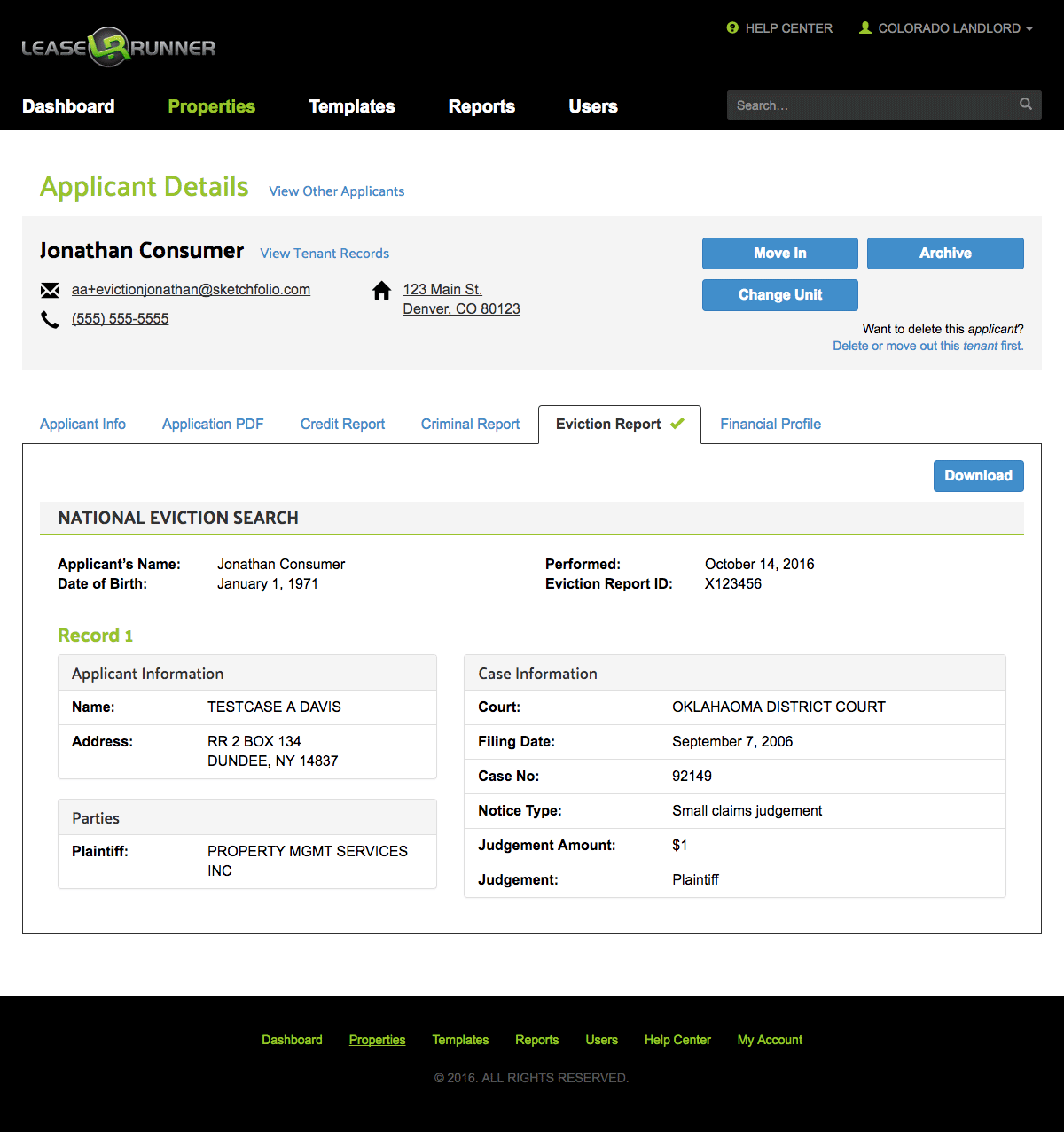
A complete tenant screening report on myself typically includes four pillars. Landlords should verify that any self-provided report covers these elements.
1. Credit History
A standard tenant screening report pulls credit data from one or more national credit bureaus. This typically covers:
- Credit score range used for housing decisions
- Open and closed tradelines
- On-time versus late payment history
- Collections, charge-offs, and judgments
- Bankruptcies and severe derogatory marks
Credit history is not used to judge wealth. Instead, it helps predict payment reliability under fixed monthly obligations. Patterns such as repeated late payments, unresolved collections, or high revolving utilization often signal financial strain that could affect rent performance.
Applicants asking “how can I see my tenant screening report?” often start here because credit is the most transparent part of the file. Many also research how to pass a rental credit check to understand how landlords interpret risk rather than focusing on a single score number.
Credit history also intersects with lease behavior. For example, unpaid balances after move-out or broken lease charges may appear on reports, which is why applicants frequently review does breaking a lease hurt your credit when preparing a tenant screening report on myself.
2. Criminal Background
This includes a search of national and local databases for felony and misdemeanor convictions. It typically covers:
- Multi-state sex offender registries.
- Terrorist watch lists.
- County criminal records.
Criminal screening is one of the most regulated parts of tenant screening. Many states and local jurisdictions limit:
- Lookback periods (how far back records may be reported)
- Types of offenses that may be considered
- How results may be used in rental decisions
In addition, “fair chance” or “ban-the-box” laws may require individualized assessments rather than automatic denials. This means landlords must apply criminal screening policies consistently, regardless of whether the data comes from a landlord-run check or a rental background check on myself supplied by an applicant.
For landlords, consistency and documentation matter more than the mere presence of criminal data.
3. Past Evictions
Eviction sections usually show:
- Filed eviction cases
- Court judgments
- Case disposition (dismissed, settled, or ruled)
Even filings that did not result in removal may appear, depending on reporting rules.
Eviction data is one of the most error-prone components of tenant screening. Cases may be:
- Mixed up between individuals with similar names
- Reported without final outcomes
- Outdated beyond allowable reporting periods
Applicants frequently ask is it possible to run a background check on yourself specifically to catch eviction errors before applying. When errors appear, the formal dispute process matters. Clear guidance is outlined in how to dispute eviction on tenant screening report.
From a landlord’s standpoint, eviction history should always be evaluated in context: timing, cause, and resolution rather than treated as a single binary factor.
4. Rental History
Rental history is the least standardized portion of a tenant screening report. Depending on the provider, it may show:
- Prior addresses
- Length of residence
- Landlord or property manager references
- Payment patterns when reported
Not all CRAs have access to complete rental payment data, which is why this section often requires supplemental verification.
How landlords validate it
Because rental history can be incomplete, landlords frequently pair screening reports with income and employment verification. Applicants preparing a tenant screening report on myself are often advised to gather:
- Documentation outlined in how to show proof of income
- Awareness of whether can landlords ask for bank statements under local law
From a screening perspective, rental history helps confirm stability and consistency, but it is rarely evaluated in isolation.
How Much Does It Cost to Run a Tenant Background Check on Myself?
How much does it cost to run a tenant background check depends on depth and the screening service used.
Typical ranges:
- Credit report: Consumers can obtain a free credit report once per year. However, landlords usually rely on scored versions or housing-specific summaries, which often cost $10–$25 when purchased separately.
- Basic tenant screening: Priced between $20–$40, these reports usually combine credit data with eviction and limited criminal records. This range covers many “self-run” checks marketed as a rental background check on myself, though coverage may vary by state.
- Comprehensive screening with eviction and criminal checks: At $40–$75, these reports include deeper criminal searches and verification steps such as employment or income confirmation. This level most closely mirrors what landlords order directly.
- Portable tenant screening report free: Some platforms offer portable tenant screening report free access on a limited or promotional basis. These versions may be time-restricted or exclude certain verification layers, but they can still be useful when sourced from an FCRA-compliant CRA.
Below is a clearer breakdown of common options and what each price point actually delivers.
For landlords comparing applicant costs to application fees, see application fee for rental and how much is a background check for an apartment.
From an operational standpoint, accepting a verified portable report can reduce duplicate fees while maintaining standards.
Conclusion
So, can I run a tenant screening on myself? Yes legally and effectively when using compliant tools. For landlords, applicant self-screening can be an asset if reports are credible, recent, and complete. The most efficient model combines transparency with portability, allowing faster decisions and fewer disputes.
Platforms offering a standardized Portable Tenant Screening Report—including options to get a portable tenant screening report free—support this balance by aligning applicant access with landlord requirements.
FAQs
1. Is It Possible to Do a Background Check on Myself?
Yes. Individuals have a legal right to access their own records. Many online services allow you to do your own tenant screening to see your data before a third party does.
2. Can I Do a Level 2 Background Check on Myself?
Generally no. A Level 2 check is a fingerprint-based search typically used for high-security employment or working with vulnerable populations. While an individual can request their own FBI identity history summary, it is rarely required for residential tenancies. Most landlords only require a Level 1 (name-based) search.
3. What Are the Best Free Rental Background Check Options?
While full background checks (including criminal and eviction) usually require a fee to cover court access costs, the best free rental background check on myself for credit is through AnnualCreditReport.com. For a more comprehensive view, check where to get a portable tenant screening report free or at a reduced cost depending on state legislation.
Disclaimer: The information provided in this post is intended for general informational and educational purposes only. It should not be construed as legal, accounting, or tax advice. For guidance specific to your situation, we recommend consulting with a qualified professional in the relevant field before taking any action based on the content provided.